
A dirty filter looks harmless, but it quietly drains your energy bill, shortens appliance lifespan, and worsens indoor air quality. This guide reveals the true hidden cost of dirty filters and the simple habits that stop it before it starts.
A dirty filter looks like a small problem, but it drains money from your household every single day. Ignoring the hidden cost of dirty filters means paying more for energy, replacing appliances sooner, and breathing dirtier air indoors. This guide is for homeowners, renters, and anyone who wants a healthier, cheaper home to run. It explains exactly what a clogged filter costs you and how to stop the damage before it spreads through your entire home system.
The Hidden Cost Of Dirty Filters Explained
Most homeowners think a filter only affects air quality, but the truth runs much deeper than that. A blocked filter forces your heating and cooling system to work far harder than it should. That extra strain shows up on your energy bill within weeks, often before you even notice reduced airflow around the house.
The hidden cost of dirty filters also includes wear on internal parts you rarely see. Motors, fans, and coils all suffer when airflow is restricted for long periods. Over time, this steady strain shortens the lifespan of equipment that should last well over a decade.
Many people only discover the problem once a repair engineer points to the filter directly. By that stage, the damage has usually already been building for months. Catching the issue early is always cheaper than fixing it after a breakdown.
The phrase hidden cost of dirty filters describes exactly this pattern of gradual, invisible damage. Nothing looks broken on the surface, so the problem keeps growing unnoticed. By the time symptoms become obvious, several months of extra spending have often already occurred.
How A Blocked Filter Inflates Your Energy Bill
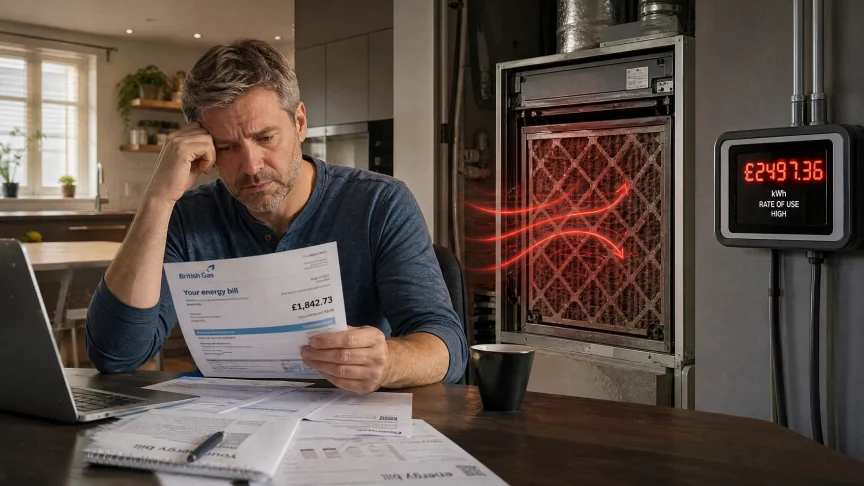
A clogged filter can increase energy consumption by up to fifteen percent, according to widely cited heating industry estimates. Your system pulls more power trying to push air through trapped dust and debris. This inefficiency adds up quickly across a full heating or cooling season.
Homes running a neglected filter for six months or longer often see a noticeably higher bill compared to identical households with clean filters. The difference can reach fifty pounds or more per season depending on system size and household usage patterns.
Reduced airflow also means rooms heat or cool unevenly throughout the day. Some homeowners respond by lowering the thermostat further, which only increases the strain and the bill even more. This creates a cycle that quietly drains money month after month.
Smart meters make this pattern easier to spot than ever before. A sudden spike in usage without any change in habits often points straight back to a neglected filter sitting inside the system.
Comparing bills month to month is a simple habit that catches this problem early. A rising trend with no obvious cause is often the clearest early signal that a filter change is overdue.
The True Cost Comparison Table
| Filter Condition | Estimated Energy Increase | Typical Repair Risk |
|---|---|---|
| Clean filter, changed on schedule | None | Low |
| Slightly dirty, one month overdue | 5 to 8 percent | Low to moderate |
| Heavily clogged, three months overdue | 10 to 15 percent | Moderate to high |
| Severely blocked, six months or more | 15 percent or higher | High, possible breakdown |
This table shows how quickly a small delay turns into a genuine financial burden for any household. Waiting even a few extra weeks can shift a home from low risk into moderate or high risk territory.
Small numbers on paper translate into real pounds spent every quarter. Reviewing this table against your own filter habits can highlight exactly where money is quietly leaking away.
Warning Signs Your Filter Needs Changing
A filter rarely fails silently, and most systems show clear warning signs long before a full breakdown occurs. Learning to spot these signs early protects both your wallet and your equipment for years to come.
- Weaker airflow coming from vents throughout the home
- A musty or stale smell when the system switches on
- Visible grey or brown buildup across the filter surface
- Rooms taking longer than usual to reach the set temperature
- Unusual dust accumulation on furniture shortly after cleaning
- The system running more frequently than usual to reach set temperatures
Catching even one of these signs early can prevent weeks of hidden extra spending. A quick monthly glance at the filter often reveals problems long before your bill does.
Writing these signs on a checklist near the thermostat makes them far easier to remember. A short glance during a normal week is usually enough to catch trouble early.
Why Dirty Filters Shorten Appliance Lifespan
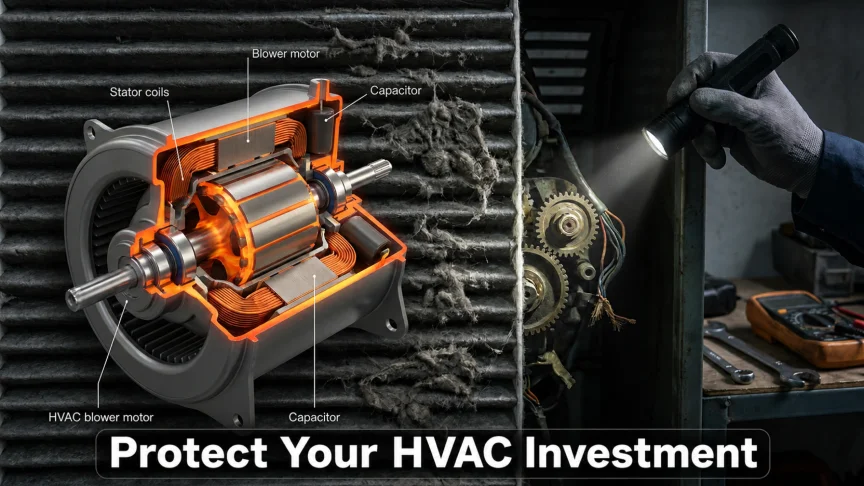
Every heating and cooling system is built to handle a certain amount of strain, and no more. A clogged filter forces the motor to draw more power just to maintain normal airflow. This constant overexertion wears down bearings and electrical components far sooner than expected by the manufacturer.
Manufacturers typically design furnaces and air conditioning units to last fifteen to twenty years with proper maintenance and care. Neglected filters can cut that lifespan significantly, sometimes forcing a costly replacement a full decade early.
Many warranty claims are also denied when inspectors find neglected filters as the root cause of a breakdown. This turns a simple maintenance oversight into an expensive uncovered repair bill that many households never expect.
Replacing a full heating or cooling unit early is one of the largest hidden costs linked to filter neglect. A habit that costs almost nothing can prevent an expense running into thousands of pounds.
Engineers who service these systems regularly report that filter neglect ranks among the most common causes of premature failure they see on call outs. A single overlooked filter can undo years of otherwise careful home maintenance in just a few months.
Health Risks Hiding Inside A Clogged Filter
Beyond cost, a dirty filter directly affects the air your family breathes every single day. Trapped dust, pollen, and pet dander eventually escape back into circulation once a filter becomes overloaded. This can worsen allergies and irritate airways, particularly for children and older adults living in the home.
Mould spores can also develop within a damp or heavily soiled filter over time. Once airborne, these spores spread throughout the home every time the system runs. Regular filter changes remain one of the simplest ways to protect indoor air quality for the whole household.
People with asthma often notice symptoms worsening during periods when a filter has been neglected for too long. Addressing the filter first is a simple step that is frequently overlooked before other solutions are tried.
More Hidden Costs Of Dirty Filters At Home
Heating and cooling systems are not the only culprits when it comes to hidden filter expenses. Tumble dryer lint filters, cooker hood grease filters, and water filters all carry similar risks when left unchecked for too long.
A clogged tumble dryer filter forces the appliance to run longer cycles just to dry the same load of washing. This wastes electricity and puts extra strain on the heating element inside the drum. Left long enough, it can also become a genuine fire hazard within the home.
Cooker hood filters coated in grease lose much of their extraction power within a few months of regular cooking. This allows smoke, steam, and cooking odours to linger throughout the kitchen and beyond. A greasy filter also becomes far harder and more expensive to clean properly once buildup sets in.
Water filters fitted to taps or fridges follow the same pattern of hidden decline. A saturated filter stops removing impurities effectively, even though water still flows through as normal. Households often assume the water remains just as clean, when in reality the filter has already reached its limit.
- Tumble dryer filters should be cleaned after every single cycle
- Cooker hood filters typically need washing every four to six weeks
- Water filters usually require replacement every two to six months
- Vacuum cleaner filters deserve a monthly check for trapped debris
Treating every filter in the home with the same level of attention closes the gap where hidden costs tend to creep in unnoticed.
How Often You Should Really Change Your Filter
Replacement schedules depend heavily on filter type, household size, and whether pets are present in the home. The table below offers a practical starting point that suits most typical households.
| Household Type | Recommended Change Frequency |
|---|---|
| Single occupant, no pets | Every 60 to 90 days |
| Family home, no pets | Every 45 to 60 days |
| Home with one or more pets | Every 30 to 45 days |
| Household with allergy sufferers | Every 30 days |
Sticking to a schedule based on your household type removes the guesswork and prevents the slow creep of hidden costs building up unnoticed.
Marking replacement dates on a calendar or setting a recurring phone reminder makes this habit almost effortless to maintain long term.
Simple Steps To Check And Replace A Filter
Checking a filter takes only a few minutes and requires no special tools or experience. Following a consistent routine keeps the hidden cost of dirty filters from ever building up in the first place.
- Turn off the heating or cooling system before opening the filter panel
- Locate the filter slot, usually near the return air duct or unit itself
- Slide out the filter and hold it up to a light source
- Check for buildup, if light barely passes through it needs replacing
- Note the size printed on the filter frame before buying a replacement
- Insert the new filter with airflow arrows pointing toward the system
- Set a reminder on your phone for the next check based on household type
This routine costs almost nothing in time yet prevents the majority of hidden expenses linked to neglected filters. Most homeowners can complete every step in under ten minutes once they know where to look.
Mistakes That Quietly Increase The Damage
Even well meaning homeowners fall into habits that make the hidden cost of dirty filters worse over time. Avoiding these common mistakes protects both your budget and your equipment for the long term.
- Buying the cheapest filter available without checking its rating
- Forgetting to check the filter after renovations or building work
- Assuming a higher rated filter never needs checking as often
- Ignoring strange smells because the system still seems to work
- Delaying replacement during busy months like winter or summer peaks
Breaking even one of these habits can noticeably reduce long term running costs. Small changes to a household routine often deliver the biggest savings over an entire year.
FAQs About Hidden Cost of Dirty Filters
What is the hidden cost of dirty filters?
The hidden cost of dirty filters includes higher energy bills, faster appliance wear, more frequent repairs, and reduced indoor air quality that builds up gradually until it becomes noticeable.
How often should I change my filter?
Most households should check filters monthly and replace them every 30 to 90 days depending on pets, allergies, and household size, using the guidance above as a baseline.
Can a dirty filter cause a system to break down?
Yes, a severely blocked filter forces the motor and fan to overwork, which can trigger overheating, frozen coils, or complete system failure requiring an expensive emergency repair.
Does a dirty filter really affect energy bills?
Yes, a clogged filter can increase energy use by up to fifteen percent because the system must work harder to push air through the blockage, raising monthly costs.
How can I tell if my filter needs replacing?
Common signs include:
- Weak airflow
- Musty odours
- Visible buildup
- Uneven room temperatures
- A system running more often than normal to reach the set temperature
Are expensive filters always better than cheap ones?
Not always. The right rating for your system matters more than price. A cheap filter changed on schedule often outperforms an expensive filter left in place too long.
Stop Paying The Price Of A Neglected Filter
The hidden cost of dirty filters rarely announces itself with a single dramatic moment. It builds slowly through higher bills, strained appliances, and poorer air quality until the damage becomes hard to ignore. A quick monthly check and a filter change every few weeks is all it takes to stop this pattern.
Set a reminder today rather than waiting for a warning sign to appear. Your energy bill, your appliances, and the air inside your home will all benefit from a habit that costs almost nothing to maintain.
Enjoyed this guide? Subscribe to Arteriors Home for more home improvement, interior design, DIY tips, energy saving, and property maintenance advice.