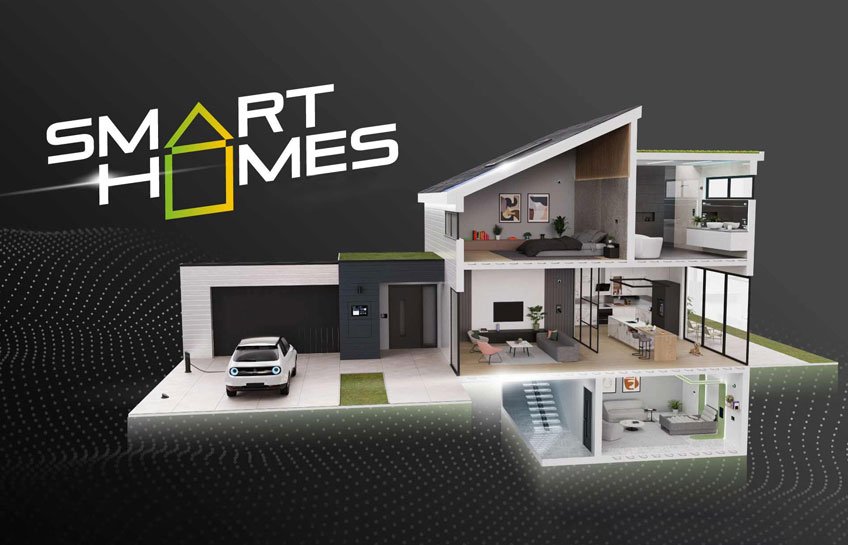
Smart homes are no longer just gadgets hidden behind walls. Discover how technology and design now work together to create spaces that feel beautiful, intuitive, and truly future ready.
Smart homes today blend invisible technology with stunning design, creating spaces that feel both intelligent and beautiful. This article explores how Technology and Design in Smart Homes now work together seamlessly. Homeowners, designers, and renovators will discover practical ways to merge function with style for a home that performs and impresses.
Why Technology and Design in Smart Homes Now Overlap
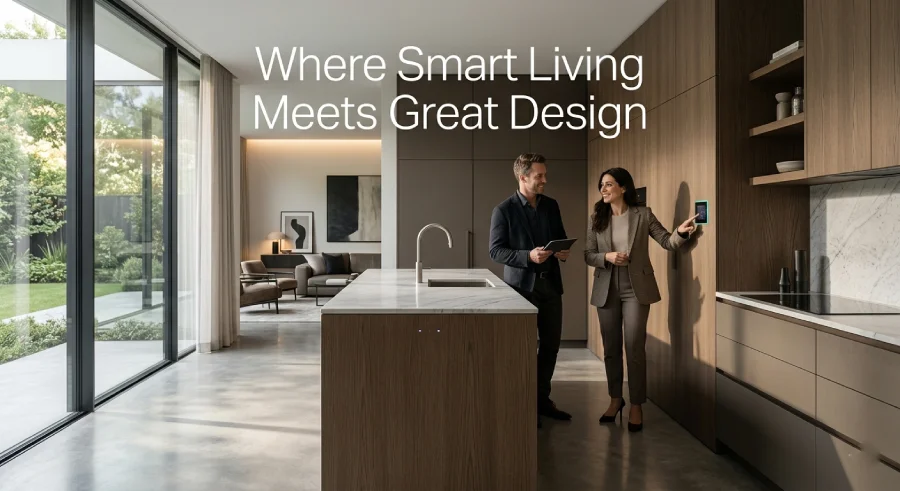
Modern homeowners want convenience without sacrificing aesthetics. Smart devices once looked clunky and out of place in stylish interiors. Today, manufacturers design products that disappear into walls, ceilings, and furniture. This shift means technology and design in smart homes can finally coexist without compromise. Designers now treat automation as a core part of interior planning rather than an afterthought.
Hidden Wiring And Invisible Tech Integration
Cables, sensors, and hubs once cluttered rooms with visible wires. Builders now route wiring through walls during construction to keep surfaces clean. In wall speakers, recessed smart panels, and flush mounted sensors maintain a minimalist look. This approach protects the visual flow of a room while still delivering full smart functionality.
- Concealed wiring channels behind drywall
- Flush mounted light switches with touch controls
- Recessed ceiling speakers instead of bulky soundbars
- Under cabinet sensors for kitchens
- Hidden hubs inside closets or cabinetry
Smart Lighting That Enhances Interior Mood
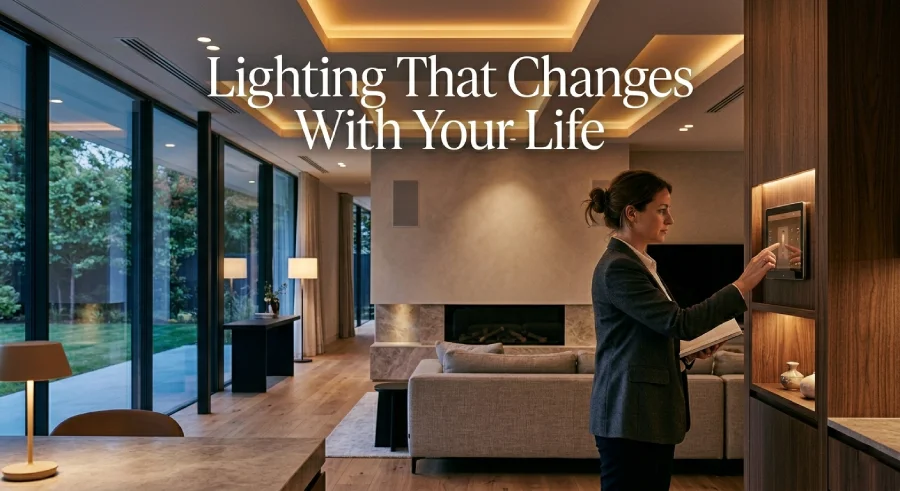
Lighting design has become one of the strongest links between technology and style. Smart bulbs and tunable LED systems allow homeowners to shift color temperature based on time of day. Warm tones create a cozy evening feel while cooler tones support daytime focus. Many systems now sync with circadian rhythms to support better sleep and energy levels.
| Lighting Feature | Design Benefit |
|---|---|
| Tunable white LEDs | Matches mood to time of day |
| Dimmable smart switches | Creates layered ambiance |
| App controlled scenes | Simplifies multiple room settings |
| Motion sensor lighting | Reduces clutter from switches |
Voice Controlled Systems Built Into Architecture
Voice assistants now integrate directly into walls, mirrors, and even countertops. Builders embed microphones and speakers into architectural elements rather than relying on standalone devices. This keeps countertops clear and bedside tables tidy. Homeowners can control temperature, lighting, and music without a single visible gadget in sight.
Smart Climate Control With A Minimalist Look
Smart thermostats now come in slim designs that match wall finishes instead of standing out. Brands offer customizable faceplates in materials like brushed metal or matte glass. These devices learn household patterns and adjust automatically. The result is a climate system that performs efficiently while blending into the wall like a piece of art.
Furniture With Built In Smart Functionality
Furniture makers now embed wireless charging pads, USB ports, and even speakers directly into tables, beds, and sofas. This trend removes the need for visible cords or bulky chargers on nightstands. A coffee table might charge your phone while a headboard plays music quietly through hidden drivers.
- Choose furniture with built in charging stations
- Select beds with integrated speaker systems
- Pick sofas with hidden USB ports
- Add tables with wireless charging surfaces
- Install nightstands with smart lighting built in
Smart Kitchens Merging Style And Function
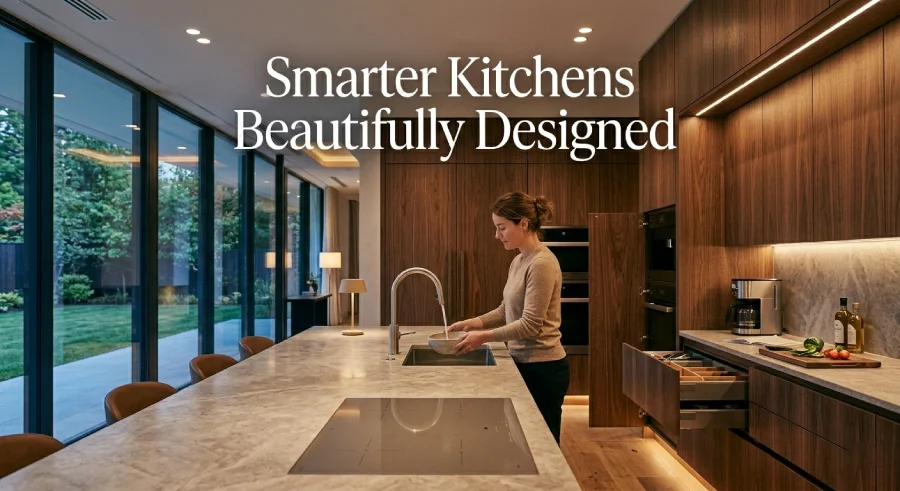
Kitchens benefit greatly from the fusion of technology and design. Smart faucets, induction cooktops, and app controlled ovens now come in finishes that match cabinetry. Touchless features keep surfaces clean while sleek control panels avoid visual clutter. Many homeowners now choose appliances based on both performance and how well they suit the room’s palette.
Security Systems That Do Not Disrupt Style
Security cameras and sensors no longer need to look industrial. Many brands now offer slim doorbell cameras, discreet window sensors, and app based locks with finishes matching door hardware. This allows full home protection without visual disruption. Homeowners gain peace of mind while keeping their entryway looking polished and intentional.
- Slim profile doorbell cameras
- Matte finish smart locks
- Hidden window and door sensors
- App based alarm systems
- Motion lights with adjustable brightness
Choosing The Right Smart Home Style For Your Space
Selecting smart features should depend on the room’s existing style. A modern space suits sleek touch panels, while a traditional home may need devices with classic finishes. Always prioritize function first, then choose designs that match existing materials like wood, metal, or stone. This balance keeps the home feeling cohesive rather than mismatched.
FAQs About Technology and Design in Smart Homes
What does technology and design in smart homes mean?
It means combining automation, devices, and systems with interior style choices so smart features blend naturally into a home’s overall look and feel.
Can smart home devices match any interior style?
Yes. Most brands now offer multiple finishes and shapes, including matte, metallic, and minimalist designs, allowing devices to suit modern, traditional, or industrial interiors.
Are hidden smart systems more expensive than visible ones?
Often slightly, since installation requires wiring during construction or renovation. Costs vary based on home size, system complexity, and number of integrated devices chosen.
What are the easiest smart upgrades for design lovers?
- Smart bulbs
- Touch dimmer switches
- Wireless charging furniture
- Slim doorbell cameras
- App controlled thermostats
Do smart homes require professional installation?
Some devices are plug and play, but built in systems like recessed speakers or wired sensors usually need a professional electrician or installer for safety.
Will smart technology become standard in home design?
Yes. Builders increasingly include wiring and smart ready infrastructure during construction, making integrated technology a standard rather than an optional upgrade.
The Future Of Stylish Smart Living Starts Now
Technology and design in smart homes no longer compete for attention. They now work together to create spaces that feel intuitive, polished, and personal. From hidden wiring to furniture with built in charging, every choice can support both function and beauty.
As more brands prioritize aesthetics alongside performance, homeowners gain more freedom to personalize their spaces. The smartest homes of the future will not look smart at all. They will simply look beautifully designed.
Subscribe to Arteriorshome for more home design, smart living, interior trends, renovation tips, and decor inspiration delivered straight to your inbox.