Introduction to Arterior Homes
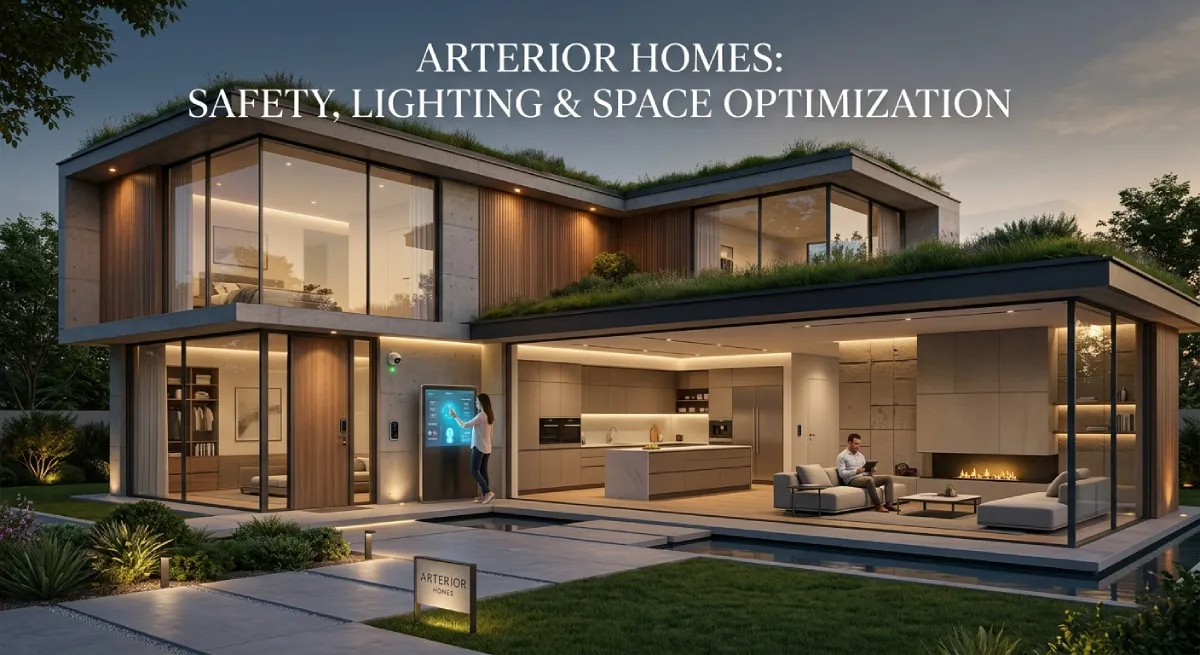
What does the ideal modern home look like? It is not simply a structure with four walls and a roof — it is a living, breathing ecosystem that keeps you safe, illuminates your life intelligently, and makes every square foot count. That is precisely the philosophy behind Arterior Homes.
Arterior Homes represent the next generation of residential design, where architecture meets technology, and comfort meets security. Whether you are building from scratch, renovating an existing property, or simply seeking inspiration for smarter living, understanding the core pillars of the Arterior design approach — safety, lighting, and space optimization — can transform the way you think about home.
In this comprehensive guide, we break down each of these three pillars in detail, explore how they work together seamlessly, examine real-world case studies, and look at the future trends that will continue to shape Arterior-inspired homes in the years ahead.
Safety in Arterior Homes
Safety is not an afterthought in Arterior Homes — it is woven into every layer of the design process, from the choice of building materials to the smart systems that monitor and protect the home around the clock.
1. Structural Integrity and Building Materials
The foundation of any safe home is what it is built with. Arterior Homes prioritize high-quality, durable building materials that are engineered to last and to protect occupants under a range of environmental conditions.
- Fire-resistant materials: Exterior cladding, insulation, and roofing are selected for their fire-resistance ratings, significantly reducing the risk of rapid fire spread.
- Non-toxic finishes: Paints, adhesives, sealants, and flooring materials are rigorously screened to be free of volatile organic compounds (VOCs), ensuring a healthy indoor environment.
- Reinforced structural frameworks: Load-bearing elements are designed to withstand seismic activity, high winds, and heavy snow loads — depending on the local climate — offering genuine resilience against environmental stresses.
- Preventive maintenance integration: Built-in inspection access points and maintenance schedules are included in the design, making it easier for homeowners to perform routine safety checks before minor issues become major hazards.
Choosing the right materials is not just about durability — it is about creating a home that protects its occupants for decades to come.
2. Smart Security Systems
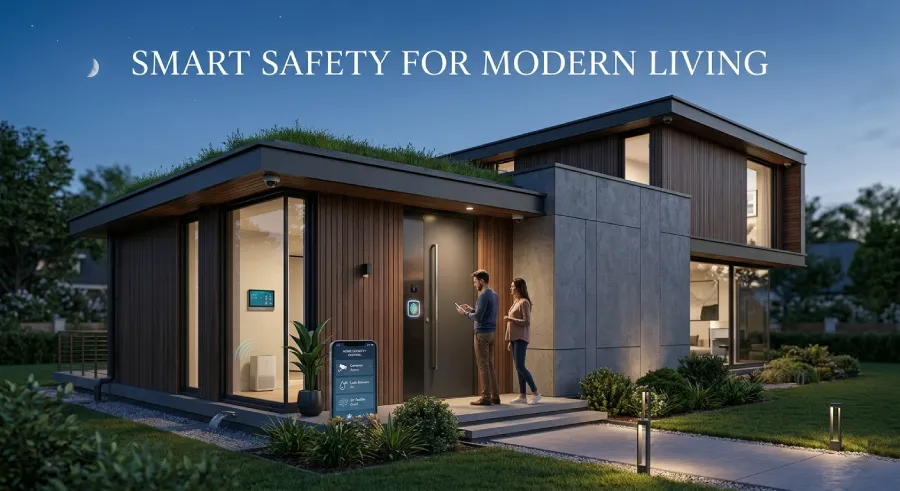
Modern home safety extends well beyond locks and alarm bells. Arterior Homes embrace integrated smart security ecosystems that provide real-time protection, remote oversight, and rapid emergency response.
Key features include:
- Surveillance cameras and motion detectors: High-definition cameras are positioned at key entry points, driveways, and perimeter zones. Motion sensors trigger automatic alerts when unexpected activity is detected.
- Smart locks and biometric access control: Keypad, fingerprint, and facial recognition entry systems eliminate the vulnerabilities of traditional lock-and-key setups. Homeowners can grant or revoke access remotely with a few taps on their smartphone.
- Remote monitoring via mobile applications: Whether you are at work, on vacation, or simply in another room, dedicated home security apps give you a live view of your property at any time.
- Emergency response integration: Some Arterior security systems connect directly to local emergency services, ensuring that response times are minimized in the event of a break-in, fire, or medical emergency.
Pro Tip: When evaluating smart security systems for your Arterior Home, look for platforms that offer end-to-end encryption and two-factor authentication to safeguard your data.
3. Environmental Safety Measures
Physical security is only one dimension of home safety. Arterior Homes also address the invisible hazards that can affect health and wellbeing:
- Advanced ventilation systems: Mechanical ventilation with heat recovery (MVHR) units ensure a constant supply of fresh, filtered air throughout the home, reducing the buildup of carbon dioxide, allergens, and airborne pollutants.
- Water safety and leak detection: Smart plumbing sensors detect micro-leaks before they develop into floods, and water quality monitors alert homeowners to changes in pH, chlorine levels, or bacterial contamination.
- Child-proofing and elder-proofing design: Rounded furniture edges, non-slip flooring surfaces, strategic grab-rail placements in bathrooms, and stair gate integration points are built into the original design — not bolted on as an afterthought.
- Non-toxic paints and finishes: Low-VOC and zero-VOC interior finishes are standard in Arterior Homes, protecting children, pregnant women, pets, and individuals with respiratory sensitivities.
4. Compliance with Safety Standards
Arterior Homes are not self-certified — they are built to meet and exceed local, national, and international safety standards:
- Adherence to local building codes and regulations ensures every structure is legally compliant and insurable.
- Third-party safety certifications provide independent verification that materials and systems meet established benchmarks.
- Regular safety audits — both during construction and post-occupancy — identify potential weaknesses and ensure ongoing compliance.
- Incorporation of the latest safety innovations, from smart smoke detectors with carbon monoxide sensors to AI-driven anomaly detection systems.
Lighting Design in Arterior Homes
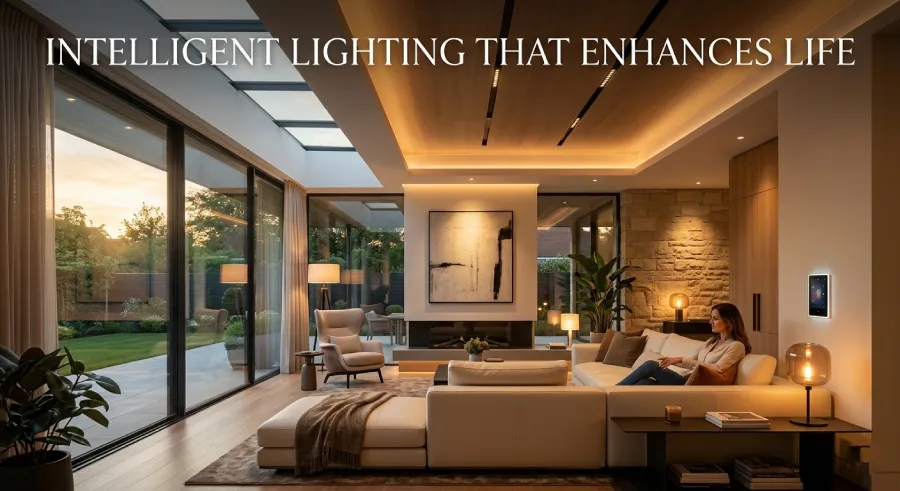
Lighting is one of the most powerful — and most underestimated — design elements in a home. In Arterior Homes, lighting is treated as an art form, a science, and a wellness tool simultaneously.
1. Natural Light Optimization
The best light is always free. Arterior Homes are designed from the ground up to maximize the penetration and distribution of natural daylight, reducing reliance on artificial lighting and supporting the physical and mental wellbeing of occupants.
Design strategies include:
- Architectural orientation: Buildings are sited and oriented to capture maximum sunlight during the day, particularly in living areas and workspaces.
- Large windows and glass doors: Expansive glazing — including floor-to-ceiling windows and frameless glass sliding doors — floods interior spaces with natural light while visually connecting indoors with outdoors.
- Skylights and light tubes: In rooms where conventional windows are not possible, skylights and tubular daylight devices (TDDs) channel natural light deep into the interior.
- Strategic room layout: Rooms that benefit most from natural light — kitchens, home offices, living areas — are positioned to face south or east (in the Northern Hemisphere), while utility spaces such as laundry rooms and garages face north.
Natural light has been shown by research to improve mood, enhance productivity, support circadian rhythms, and even reduce the incidence of Seasonal Affective Disorder (SAD). In Arterior Homes, it is not a luxury — it is a design standard.
2. Artificial Lighting Solutions
When the sun goes down, Arterior Homes switch seamlessly to a carefully planned layered artificial lighting scheme that serves every functional and aesthetic need:
The Three Layers of Arterior Lighting:
| Layer | Purpose | Examples |
|---|---|---|
| Ambient Lighting | General illumination that fills the whole space | Recessed LED downlights, ceiling pendants |
| Task Lighting | Focused light for specific activities | Under-cabinet kitchen lights, desk lamps, bathroom vanity lights |
| Accent Lighting | Decorative and architectural highlighting | LED strip lighting, wall sconces, picture lights |
All fixtures in Arterior Homes are chosen for their energy efficiency, with LED technology the default choice across the board. Modern LED fixtures consume up to 75% less energy than traditional incandescent bulbs and last up to 25 times longer, making them both cost-effective and environmentally responsible.
3. Smart Lighting Technologies
Arterior Homes do not just have good lighting — they have intelligent lighting that adapts to your life:
- Integration with home automation systems: Lighting is woven into the broader smart home ecosystem, working in concert with HVAC, security, and entertainment systems.
- Voice-controlled adjustments: Compatibility with popular voice assistants (Amazon Alexa, Google Home, Apple HomeKit) means lights can be adjusted hands-free.
- Occupancy-based automation: Motion and presence sensors automatically switch lights on when a room is entered and off when it is empty, preventing energy waste.
- Circadian lighting programs: Advanced systems adjust the color temperature of lighting throughout the day — warmer, amber tones in the evening to support melatonin production, and cooler, daylight-spectrum light in the morning to promote alertness.
- Remote control via smartphone or tablet: Whether you forgot to turn off the lights before leaving the house or want to set the mood before arriving home, full remote control is always available.
4. Aesthetic and Functional Considerations
Great lighting design in an Arterior Home achieves two things simultaneously — it looks beautiful, and it works perfectly:
- Architectural accent lighting uses directional spotlights and LED strips to highlight exposed brick, textured walls, recessed shelving, and other architectural features that might otherwise go unnoticed.
- Warm lighting tones in social spaces create welcoming, cozy atmospheres in living rooms and dining areas, making guests feel immediately at ease.
- Task-optimized lighting in work zones — kitchen preparation areas, home office desks, bathroom mirrors — uses high color-rendering-index (CRI) light sources to reduce eye strain and support precision tasks.
- Dimmable circuits throughout the home give occupants complete control over ambiance at any time of day.
Space Optimization Strategies in Arterior Homes
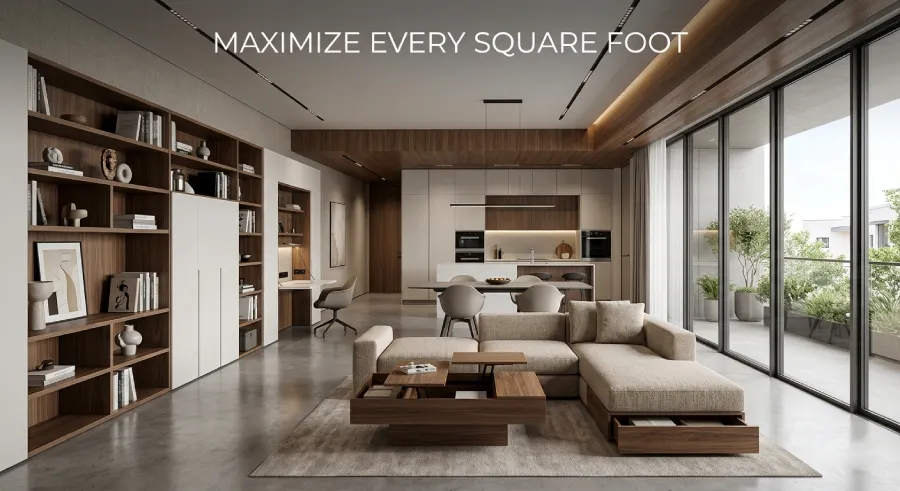
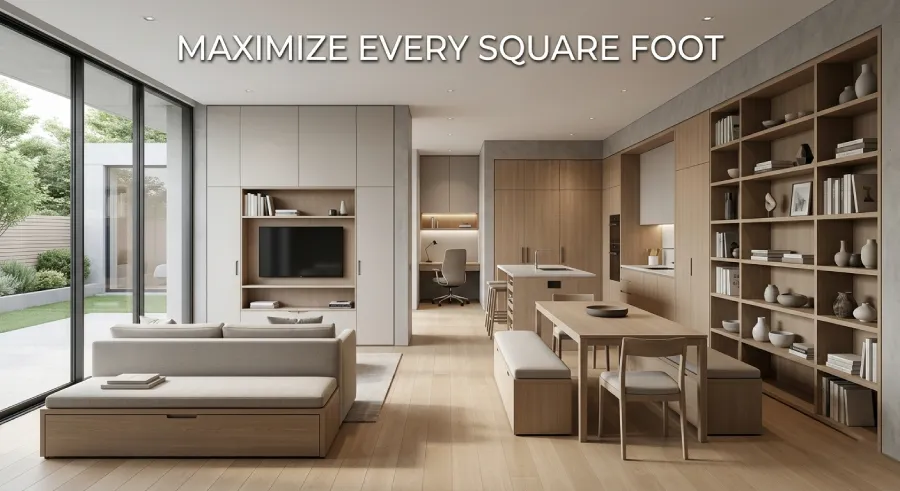
Space is one of the most valuable commodities in modern living. Whether you occupy a compact city apartment or a sprawling suburban residence, Arterior Homes are designed to make every square foot perform at its highest potential.
1. Open Floor Plans and Multi-Functional Spaces
The open floor plan is central to the Arterior philosophy. By removing unnecessary partition walls, Arterior Homes create fluid, flexible spaces that can adapt to changing needs and lifestyles:
- Zoned without walls: Living, dining, and kitchen areas flow seamlessly into one another, unified by consistent flooring, lighting, and ceiling design. Rugs, pendant lights, and furniture arrangements define functional zones without physical barriers.
- Multi-purpose furniture: Fold-out sofa beds, extendable dining tables, murphy beds with integrated desks, and ottoman storage units allow a single room to serve multiple functions across the day.
- Flexible social spaces: An open plan supports spontaneous social interaction when hosting guests while retaining the option for privacy through movable partitions or furniture configurations.
2. Intelligent Storage Solutions
Clutter is the enemy of space. Arterior Homes take a proactive, design-led approach to storage that keeps surfaces clean and spaces feeling open:
- Built-in storage integrated into architecture: Wardrobes, shelving, and cabinetry are built directly into walls, eliminating the visual bulk of freestanding furniture.
- Vertical space utilization: Floor-to-ceiling shelving and overhead storage units make use of the full height of a room, dramatically increasing storage capacity without encroaching on floor space.
- Hidden storage compartments: Integrated storage beneath staircases, within bed bases, under window seats, and behind false wall panels keeps belongings accessible but out of sight.
- Modular storage systems: Configurable modular units can be rearranged, expanded, or reduced as household needs evolve over time.
3. Furniture Selection and Placement
The right furniture — chosen and placed thoughtfully — can make a small room feel generous and a large room feel intimate:
- Space-saving furniture profiles: Slim-profile sofas, wall-mounted desks, nesting tables, and compact appliances preserve valuable floor space without sacrificing functionality.
- Strategic placement: Furniture is arranged to maximize natural traffic flow through a space, ensure adequate clearance around key areas (kitchen work triangles, bathroom access), and draw the eye toward focal points such as windows or fireplaces.
- Lightweight and movable pieces: Furniture on castors or lightweight chairs and tables that can be easily repositioned give homeowners maximum flexibility for different occasions.
- Minimalist aesthetic approach: A curated, purposeful approach to furnishing — fewer, better pieces — reduces visual clutter and makes spaces feel larger and calmer.
4. Technological Innovations for Space Efficiency
Technology plays a growing role in how Arterior Homes use and manage space:
- Smart home devices with reduced physical footprints: Wireless speakers, slim-panel televisions, integrated appliances, and wall-mounted control panels eliminate the need for bulky, freestanding equipment.
- IoT-enabled appliances: Compact, internet-connected kitchen appliances — combination microwave-ovens, countertop dishwashers, undercounter refrigerators — reduce the kitchen’s spatial footprint without compromising culinary capability.
- Virtual reality space planning: Before construction or renovation begins, VR tools allow architects and homeowners to walk through digital versions of proposed layouts, test furniture arrangements, and refine spatial decisions in immersive 3D environments.
- Automation for space management: Smart systems monitor which areas of the home are used most frequently and can recommend layout optimizations or control temperature and lighting zone-by-zone to maximize comfort and efficiency simultaneously.
Integrating Safety, Lighting, and Space Optimization
The true power of Arterior Homes lies not in any one of these three pillars individually, but in the way they work together as a cohesive whole.
1. A Coordinated Design Approach
In Arterior Homes, no design decision is made in isolation:
- Safety features enhance, rather than compromise, lighting and space. Fire-rated materials can be aesthetically beautiful. Security cameras are discreetly integrated into the architecture. Safety handrails become design features in their own right.
- Lighting is used to reinforce safety. Motion-activated lighting along staircases and in hallways reduces fall risks at night. Accent lighting highlights potential hazards such as steps or changes in floor level. Emergency lighting systems activate automatically during power outages.
- Spaces are designed to promote both security and openness simultaneously. Sightlines through an open plan make it easier to monitor children and detect unexpected visitors. Glass walls and interior windows increase natural surveillance without sacrificing connectivity.
2. Technology Synergy in Modern Arterior Homes
The smart systems within an Arterior Home do not operate as isolated islands of technology — they communicate, coordinate, and collaborate:
- Centralized control panels — whether a touchscreen wall panel, a smartphone app, or a voice assistant — give homeowners a single interface for managing security, lighting, climate, and space utilization simultaneously.
- AI-powered predictive management: Machine learning systems analyze household habits over time, anticipating needs before they arise. Lights turn on as you arrive home. The thermostat adjusts before you wake up. Security enters “away mode” as you leave.
- Continuous system updates: Cloud-connected smart home platforms receive regular software updates, ensuring that security protocols remain current, new features are added, and system performance improves over time without any physical hardware changes.
Case Studies: Successful Arterior Home Designs
Case Study 1: Urban Compact Living — A 650 sq ft City Apartment
The Challenge: Maximize functionality and comfort in a small city apartment for a professional couple, while maintaining strong safety standards appropriate for a high-rise urban environment.
The Arterior Solution:
- Safety: Smart locks with remote access, in-ceiling smoke and CO detectors connected to the building’s central monitoring system, and non-slip engineered hardwood flooring throughout.
- Lighting: A full smart lighting system with programmable scenes — “morning,” “work,” “evening,” and “away” — combined with large south-facing windows and interior glass panels to distribute natural light across the open plan.
- Space: A murphy bed with integrated desk converts the bedroom into a home office by day. Built-in storage runs the full length of one wall. A fold-out dining table accommodates two residents daily and up to eight guests when extended.
The Result: A home that feels twice its actual size, with a safety and technology specification that rivals much larger properties.
Case Study 2: Suburban Family Home — A 2,800 sq ft Four-Bedroom Residence
The Challenge: Design a safe, light-filled, efficiently organized family home for parents and three children of varying ages, accommodating both everyday living and long-term growth.
The Arterior Solution:
- Safety: A perimeter security system with motion-activated exterior lighting, smart video doorbell, child-proofed staircase gates integrated into the banister design, and a dedicated safe room with reinforced door and independent communication system.
- Lighting: Natural light maximized through a double-height entrance hall with a statement skylight, large bi-fold doors opening the kitchen-diner to the garden, and a layered artificial lighting plan across all zones including warm pendants in the dining space and task-optimized LED strips in the study.
- Space: An open-plan ground floor with a sliding glass partition that separates the living and dining areas when needed. A utility room designed with modular shelving and laundry management systems. An attic conversion with built-in eaves storage accessed through flush-fit hatch doors.
The Result: A home that grows with the family — adaptable, safe, and beautifully lit at every age and stage.
Future Trends in Arterior Home Development
The Arterior approach to home design is not static. It is constantly evolving in response to advances in technology, materials science, environmental consciousness, and changing lifestyle expectations. Here are the key trends that will define the next generation of Arterior Homes:
1. Sustainable and Bio-Based Building Materials
The future of Arterior Homes is green. Mass timber construction (cross-laminated timber), hempcrete, mycelium insulation, and recycled steel are emerging as viable, sustainable alternatives to conventional building materials. These materials offer excellent structural performance, lower embodied carbon, and in many cases superior acoustic and thermal properties.
2. Renewable Energy Integration
Arterior Homes are moving toward energy independence. Building-integrated photovoltaics (BIPV) — solar cells embedded within roof tiles, facades, and glazing — combined with high-capacity home battery storage systems will allow future Arterior Homes to generate, store, and manage their own electricity entirely off the grid.
3. AI-Driven Home Management Systems
The next generation of smart home AI will go far beyond simple automation. Predictive AI systems will monitor home conditions continuously, flagging maintenance needs before failures occur, adjusting energy use in real time based on occupancy patterns and utility tariffs, and personalizing the home environment for individual household members based on their unique preferences and schedules.
4. Health-Conscious Design
Wellness is becoming a primary driver of residential design. Future Arterior Homes will incorporate dedicated wellness spaces — meditation rooms, home gyms, infrared sauna alcoves — alongside health-monitoring technologies embedded within the home itself. Biosensors in bathrooms, air quality monitors in every room, and sleep-optimizing bedroom environments will transform the home into an active participant in its occupants’ physical and mental wellbeing.
5. Adaptive and Inclusive Design
As populations age and multigenerational living becomes more common, Arterior Homes will increasingly embrace universal design principles that make spaces accessible and comfortable for everyone — regardless of age, mobility, or sensory ability — without compromising aesthetic quality.
Frequently Asked Questions
Q1: What makes Arterior Homes different from standard residential design?
Arterior Homes integrate safety, lighting, and space optimization as a unified design philosophy rather than treating each as a separate consideration. The result is a home where every element serves multiple purposes simultaneously.
Q2: Are smart security systems in Arterior Homes expensive to maintain?
Most modern smart security platforms are cloud-connected and receive software updates automatically, keeping costs low. Hardware is typically low-maintenance, with battery-powered sensors and LED-based camera systems designed to operate for years without replacement.
Q3: How does Arterior lighting design benefit health?
Natural light optimization supports circadian rhythms and mental wellbeing. Smart lighting systems with circadian programming further enhance this by delivering the right light spectrum at the right time — energizing in the morning, calming in the evening.
Q4: Can space optimization strategies work in very small homes?
Absolutely. In fact, small homes benefit most from Arterior space optimization principles. Multi-functional furniture, built-in storage, vertical space utilization, and open floor plans can make a 400 sq ft apartment feel significantly more spacious and livable.
Q5: Are Arterior Home designs eco-friendly?
Sustainability is a core value within the Arterior framework. Energy-efficient lighting, sustainable building materials, renewable energy integration, and smart home automation systems that reduce energy waste all contribute to a significantly lower environmental footprint compared to conventional homes.
Q6: Can I retrofit Arterior principles into an existing home?
Yes. While implementing Arterior principles during new construction offers the greatest flexibility, many elements — including smart lighting, security systems, modular storage, and space-saving furniture — can be retrofitted into existing homes incrementally, without major structural changes.
Conclusion: Building Safer, Brighter, and More Efficient Homes with Arterior Concepts
Arterior Homes represent more than a design aesthetic — they represent a commitment to living better. By integrating advanced safety systems, intelligent and beautiful lighting, and thoughtful space optimization into a single, cohesive design philosophy, Arterior Homes deliver living environments that are safer, more efficient, more adaptable, and more enjoyable than conventional residential design.
Whether you are drawn to the peace of mind offered by a smart security ecosystem, the wellness benefits of optimized natural and artificial lighting, or the freedom and flexibility that intelligent space planning provides, the Arterior approach offers tangible, real-world improvements to everyday life.
The future of home design is not about doing more with more — it is about doing more with less. Less clutter, less energy waste, less risk, and more of everything that matters: comfort, security, beauty, and connection.
Arterior Homes make that future available today.
Looking to apply Arterior principles to your own home? Start with a professional design consultation to assess your current space and identify the highest-impact improvements for safety, lighting, and space optimization.