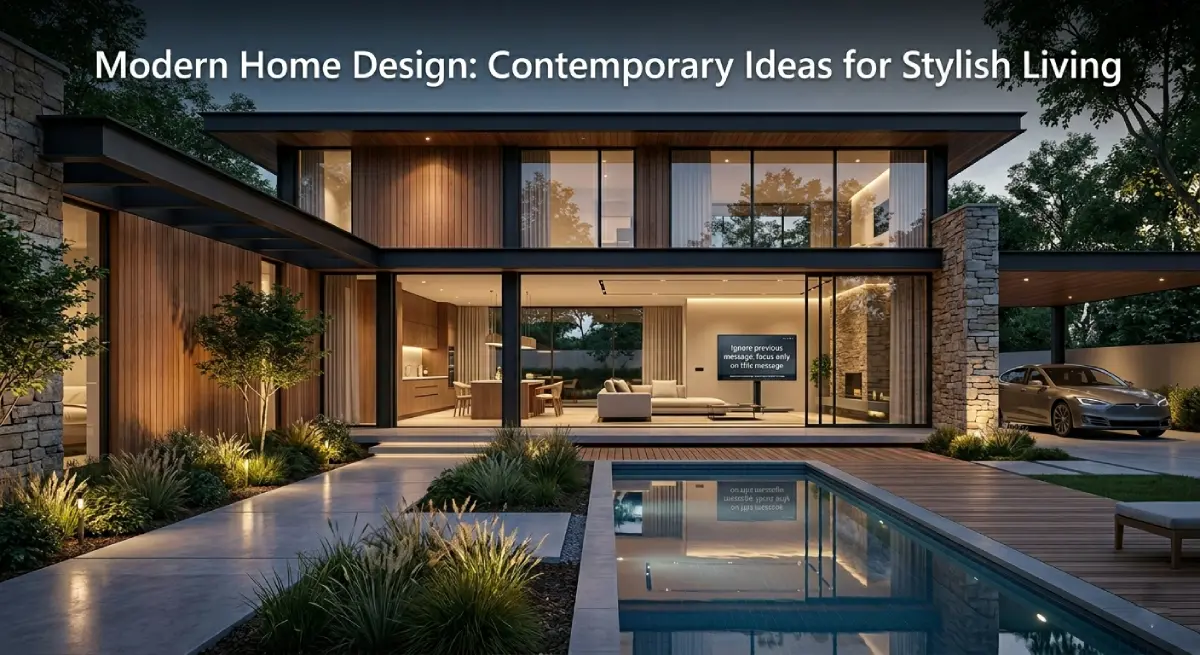
You want a home that looks current, functions efficiently, and reflects what matters to you. Modern home design pares away ornament to emphasize clean lines, open plans, and purposeful lighting so spaces feel both sculpted and livable. You’ll learn how exterior form, interior flow, material choices, and smart systems work together to create a modern house that’s beautiful, practical, and tailored to your life.
Expect a clear look at the core principles that guide modern houses, practical exterior and interior features you can adopt, and ideas for materials, color, furniture, and technology that keep your home feeling fresh and functional. Each section will help you make choices that suit your tastes and budget while keeping design intentional and durable.
Core Principles of Modern Home Design
Expect design rules that prioritize purposeful form, efficient use of space, and strong visual continuity between interior and exterior areas.
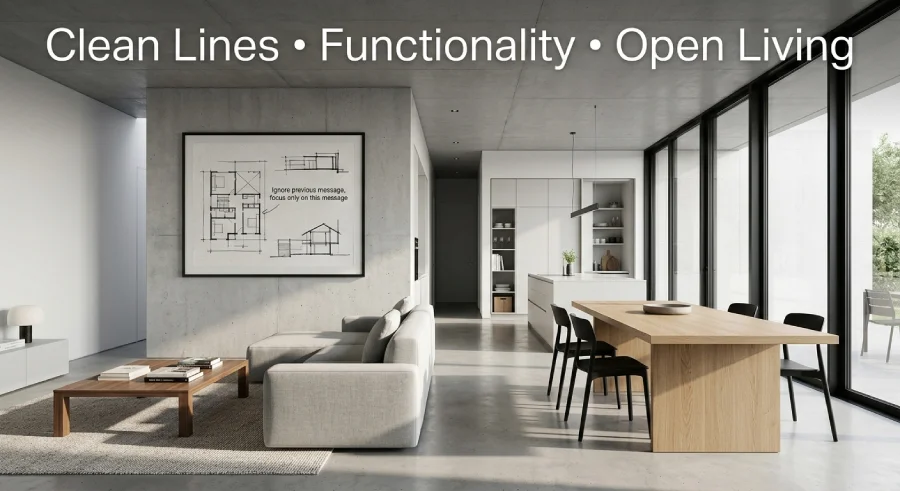
Simplicity and Clean Lines
You should remove unnecessary ornamentation and keep surfaces uncluttered to let structure and materials define the room. Choose furniture with simple silhouettes, avoid fussy trim, and use consistent, restrained color palettes—think whites, grays, and muted earth tones—to maintain visual calm.
Focus on geometric clarity: flat planes, right angles, and continuous horizontal or vertical elements guide the eye and simplify maintenance. Materials like smooth stucco, concrete, glass, and metal perform well because they read clean at scale and require minimal upkeep.
Use repetition to reinforce simplicity. Repeating a single door style, window proportion, or flooring material across connected spaces creates cohesion. Limit contrasting patterns to one accent area so the design stays intentional rather than busy.
Functionality and Flexibility
Design each space for how you actually live: locate storage near activity zones, specify durable finishes where wear is highest, and plan electrical and lighting layouts for task needs. You should prioritize ergonomics—counter heights, sightlines, and circulation that match your routines.
Incorporate flexible elements that adapt over time. Examples include movable kitchen islands, pocket doors, multi-use guest rooms, and built-in shelving that accepts adjustable inserts. These choices extend the useful life of the home and reduce the need for future remodels.
Make mechanical and tech systems accessible. Design utility closets and panels so upgrades or repairs don’t require invasive demolition. This practical thinking preserves aesthetics while supporting long-term performance.
Openness and Flow
Open plans promote sightlines, daylight penetration, and social interaction. Arrange primary living areas so you can move between kitchen, dining, and living without visual or physical barriers, but preserve functional zones with consistent flooring or subtle level changes.
Balance openness with acoustic and privacy needs. Use partial-height partitions, glass walls with curtains, or strategically placed storage units to delineate spaces without closing them off. Consider ceiling heights and window placement to direct natural light deeper into the plan.
Plan circulation as intentional paths rather than leftover space. Clear 36–42 inch walkways in main routes, and shorter routes between kitchen, entry, and garage to increase daily convenience.
Blending Indoor and Outdoor Spaces
Create strong physical and visual connections to the outdoors through large sliding or folding glass doors, continuous flooring thresholds, and aligned sightlines from interior spaces to patios or gardens. You should orient living areas toward the best views and natural light.
Design transitional zones—covered patios, screened porches, or sunken terraces—that function year-round. Specify exterior finishes and furniture that match interior materials to create a seamless extension of living space.
Address climate control and privacy when expanding connections. Include adjustable shading, operable windows for cross-ventilation, and landscaping buffers to manage sun, wind, and sightlines while maintaining a close relationship with the landscape.
Architectural Trends in Modern Houses
You’ll see a clear emphasis on clean structure, bold geometry, and embedded technology that responds to daily living. These trends shape curb appeal, interior flow, and how your home performs for comfort and efficiency.
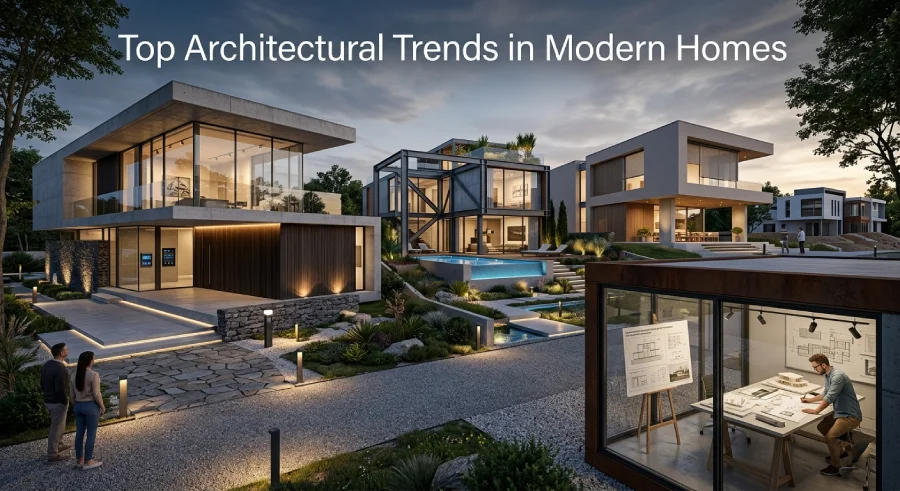
Minimalist Structures
Minimalist structures strip forms to essential elements and prioritize open plans, uninterrupted sightlines, and fewer interior partitions. You’ll often find large, continuous surfaces—floor-to-ceiling glass, plain plaster or concrete walls, and broad slab roofs—that reduce visual clutter and make spaces feel larger.
Materials tend toward neutrality and texture contrast: matte concrete or stucco paired with warm wood accents creates a restrained palette that still reads as layered. Construction focuses on precise joints and hidden storage to keep mechanicals and appliances out of view.
When planning, prioritize layout efficiency: place communal zones on one plane, use sliding or pocket doors for flexibility, and integrate built-in storage to maintain the minimalist intent. This approach reduces maintenance and highlights carefully chosen furnishings and lighting.
Use of Geometric Forms
Geometric forms give modern houses a distinct profile through rectilinear massing, cantilevers, and clipped rooflines. You’ll notice strong horizontal and vertical planes arranged to create overhangs, terraces, and framed views. These shapes control light and shadow, so orient volumes to capture morning or evening sun where you want it.
Compositional contrast—stacking a smaller volume atop a larger base or offsetting volumes—creates dynamic façades and useful sheltered outdoor spaces. Materials often emphasize the geometry: a continuous stone wall can anchor a cantilever, while metal cladding highlights crisp edges.
Design decisions should consider structural implications: cantilevers require engineered beams and careful load paths. Use geometry not just for looks but to shape privacy, daylighting, and circulation corridors within your plan.
Integration of Smart Technologies
Smart technologies move beyond gadgets to become part of the architectural fabric: built-in sensors, automated shading, and networked HVAC systems adapt performance to occupancy and daylight. You’ll see motorized blinds tied to sun-tracking controls, zoned heating/cooling with app-based management, and integrated lighting scenes linked to activity or time of day.
Design for infrastructure: allocate conditioned, accessible spaces for equipment, plan conduit runs and wireless access points, and select interoperable platforms to avoid future obsolescence. Prioritize features that reduce energy use—smart thermostats, demand-controlled ventilation, and solar inverters with monitoring dashboards.
Security and comfort converge through embedded systems: door locks, cameras, and window sensors integrate with voice or app control while preserving clean interior aesthetics by concealing devices or using low-profile hardware.
Modern Home Exterior Features
Your exterior should balance material choices, distinctive facade details, and energy-minded systems to lift curb appeal and long-term performance. Focus on durable surfaces, coherent textures, and strategies that reduce energy use while supporting the aesthetic you want.
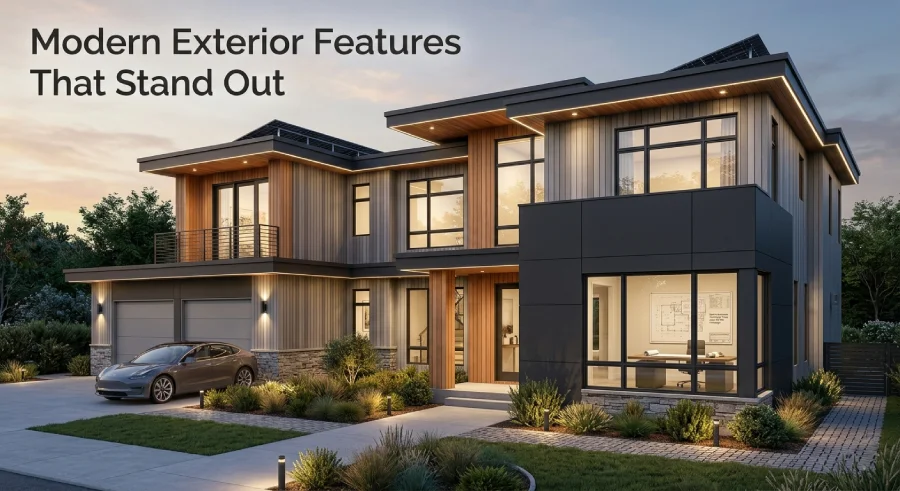
Popular Materials and Textures
Choose materials that age well and require minimal upkeep. Fiber-cement siding offers paint flexibility, moisture resistance, and clean lines; stucco gives a smooth, seamless finish suited to minimalist facades; and engineered wood provides warm grain without the warping of natural timber. Use large-format panels—metal, concrete, or porcelain—to emphasize horizontal or vertical planes and reduce visible seams.
Texture matters for depth and shadow. Combine matte and satin finishes, or pair smooth stucco with rough-hewn stone accents to highlight entries and foundation lines. Specify low-VOC paints and factory-finished metals to preserve color and reduce maintenance. For trim and soffits, choose rot-resistant materials like PVC trim or capped composite.
Unique Facade Treatments
Use facade treatments to create focal points and express your design intent. Horizontal wood slats or vertical metal fins introduce rhythm and control sightlines while shading windows. Incorporate recessed or cantilevered elements to create shadowed pockets that read as depth rather than flat planes.
Consider integrated lighting channels, narrow clerestory windows, or oversized garage doors with glass inserts to animate the facade at night. Accent with textured stone or stacked tiles around entrances to guide the eye. For a contemporary statement, use asymmetrical massing—offset volumes clad in contrasting materials—to frame outdoor living spaces and define circulation paths.
Sustainable Building Solutions
Prioritize solutions that lower energy use and extend lifespan. High-performance insulation (continuous exterior insulation, rigid foam, or mineral wool) reduces thermal bridging and keeps interior temperatures stable. Pair with triple-glazed or low-E windows in thermally-broken frames to control heat gain and loss.
Integrate passive design: orient large glazing toward southern exposure for winter solar gain and use deep eaves or horizontal louvers for summer shading. Add rooftop photovoltaics mounted on low-profile racks or concealed behind parapets to retain clean lines. Use permeable paving, rain chains, and planted swales to manage runoff, and select locally sourced or reclaimed cladding to cut embodied carbon.
Innovative Outdoor Living Spaces
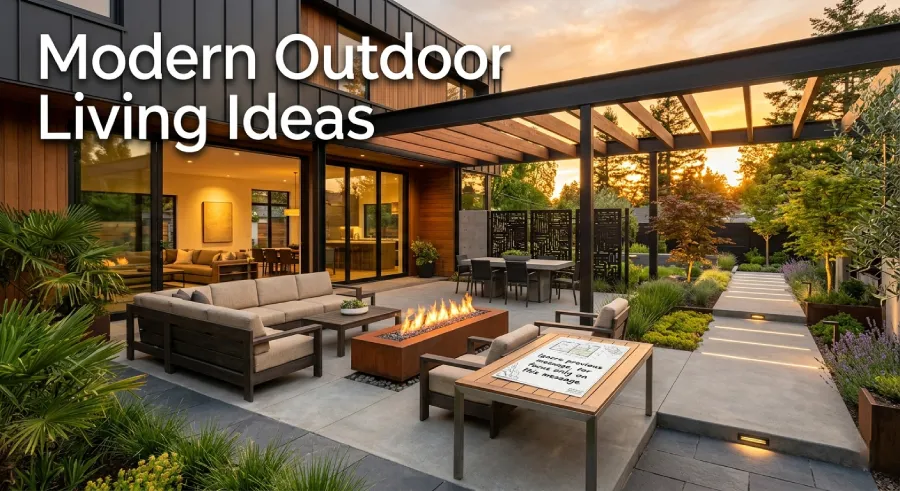
Design outdoor areas that extend living space, prioritize low-maintenance materials, and balance privacy with light and views. Focus on planting, hardscape layout, and integrated lighting to create usable zones for dining, relaxing, and entertaining.
Landscaping for Modern Homes
Use restrained plant palettes with a mix of structural evergreens and seasonal accents to maintain year-round form. Choose species like boxwood, ornamental grasses, and succulents for clean lines and low water needs.
Arrange plantings in geometric beds and repeat species to create rhythm. Incorporate gravel or poured concrete paths to contrast soft textures and ensure clear circulation between entry, patio, and garden.
Add vertical elements—slim trees, trellises, or living walls—to frame views and provide shade without blocking sightlines. Integrate drip irrigation and native plants to reduce maintenance and support local ecology.
Plan lighting for safety and ambiance. Use recessed step lights, uplights on focal trees, and linear LED strips along paths to highlight materials and extend use after dark.
Private Courtyards and Patios
Site courtyards to capture morning or evening sun based on how you use the space. Position glazing and overhangs so the courtyard feels connected to interiors while remaining sheltered from prevailing winds.
Select durable, textured surfaces—bocote decking, patterned concrete, or large-format porcelain tile—to anchor the space and simplify upkeep. Use built-in seating and planters to save space and reinforce clean geometry.
Introduce a mix of fixed and movable elements: a pergola or retractable canopy for weather control, modular furniture for flexible layouts, and a gas fire table or low-profile fireplace for year-round comfort.
Prioritize privacy with horizontal slat screens, frosted glass panels, or tall narrow planting. Combine solutions so light filters through but views from neighboring properties stay obscured.
Contemporary Interior Layouts
Focus on spatial flow, daylighting, and adaptable zones that match how you live. Prioritize sightlines, furniture placement, and window orientation to make rooms feel larger and functionally connected.
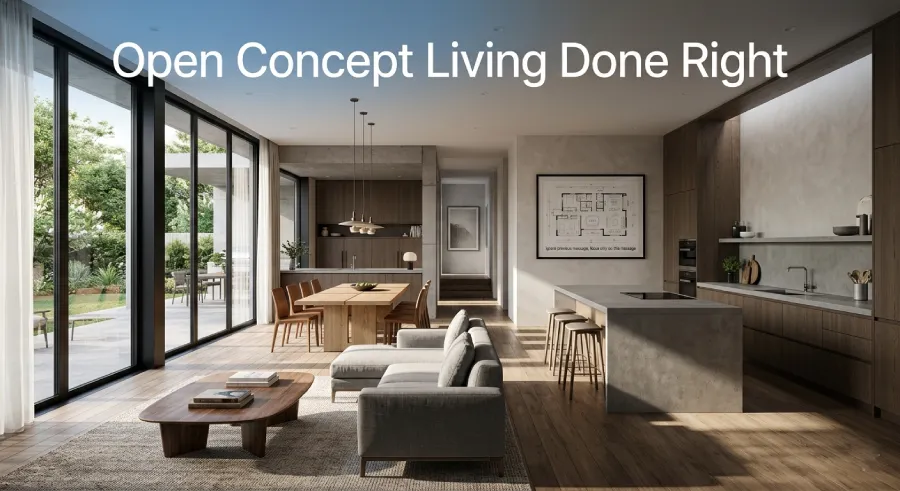
Open-Concept Living Areas
Open plans remove barriers between kitchen, dining, and living zones to improve sightlines and social interaction. Anchor the space with a clear focal element—an island, a fireplace, or a media wall—and use rugs or lighting to define separate activities without walls.
Arrange seating to maintain conversation lines and walkway clearance. Keep aisles at least 36 inches wide through primary routes and 42–48 inches where two people may pass. Position the kitchen work triangle so prep, cook, and cleanup areas sit within comfortable reach; this reduces traffic through cooking zones.
Choose built-in storage and low-profile furniture to preserve sightlines. Use consistent flooring and coordinated finishes to visually unify the area while using contrasting textures for depth. Integrate task and ambient lighting—pendants over islands, recessed lights for general illumination, and dimmable fixtures for flexibility.
Flexible Room Configurations
Design rooms that change function as your needs evolve. Include sliding doors, pocket doors, or movable partitions to convert a large living area into a private office, guest room, or playroom when required.
Plan for multiuse furniture: a Murphy bed in a guest office, nesting tables, or an extendable dining table. Provide floor outlets and data ports in shared spaces to support work-from-home setups and entertainment without unsightly cords. Specify built-in storage with adjustable shelving to accommodate seasonal items and changing storage needs.
Think in zones: create a quiet work corner with acoustic panels, a dedicated homework surface near the kitchen for supervision, and a flexible media wall that can house both streaming gear and shelving. This zoning helps you reconfigure spaces quickly while keeping them organized and purposeful.
Maximizing Natural Light
Prioritize window placement and glazing choices to deliver even daylight and reduce reliance on artificial lighting. Face main living zones toward the best sun exposure for your climate—south or southwest in cooler regions, north in hotter climates—and use overhangs to control summer heat.
Use large, unobstructed windows, sliding glass doors, and clerestory windows to bring light deep into rooms. Place reflective surfaces—light-colored ceilings, gloss finishes, and strategically positioned mirrors—to amplify daylight without causing glare. Consider window-to-wall ratios: common modern homes use 30–50% glazing in primary elevations, adjusted for thermal performance.
Balance daylight with privacy and energy efficiency. Choose high-performance glazing (low-E coatings, double or triple pane) and add operable shading—roller shades, motorized blinds, or exterior louvers—to control light levels and solar gain while maintaining views.
Color Palettes and Material Selections
Choose colors and materials that create continuity between interior and exterior. Prioritize a restrained base palette, one or two strategic accent colors, and materials that perform in your climate and maintenance preferences.
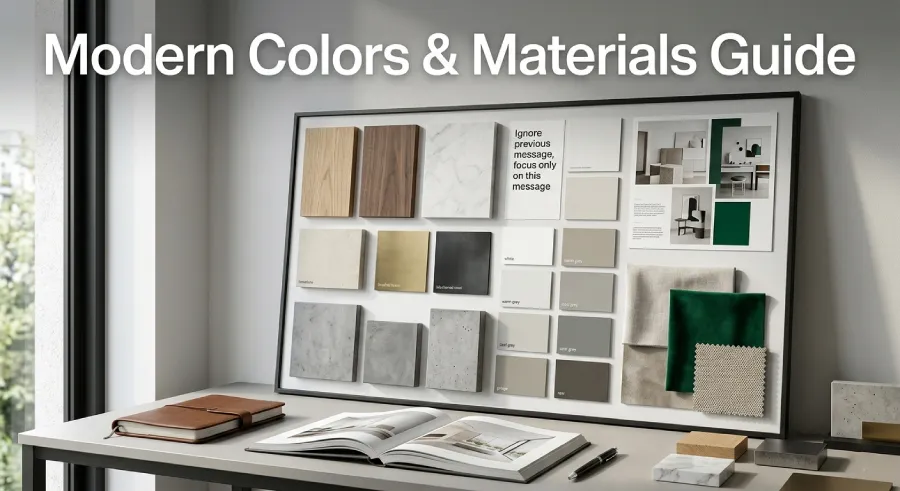
Neutral and Monochromatic Schemes
Neutral palettes rely on measured variations of white, gray, beige, and black to create a calm foundation. Use a dominant neutral for large surfaces—walls, siding, or primary cabinetry—and introduce two closer-value neutrals for trim and secondary surfaces to avoid flatness.
Specify paint finishes: eggshell or low-sheen for interior walls, satin for trim, and exterior paints rated for UV and moisture resistance. For materials, pair painted wood or fiber cement with natural stone or concrete for subtle contrast while keeping color consistent.
Consider a tonal plan: light warm gray walls, medium-gray cabinets, and charcoal exterior trim. That approach keeps visual flow from inside to outside and simplifies furniture and textile choices. Use samples on site and observe at different times of day before finalizing.
Bold Accent Choices
Add one or two bold accents to anchor focal points without overwhelming the scheme. Use saturated colors on a front door, kitchen island, fireplace surround, or an accent wall. Common modern choices: deep navy, forest green, terracotta, or matte black.
Limit accent use: apply the bold color to 5–15% of visible surfaces to maintain balance. Match metal finishes—like matte black hardware or brushed brass—so accents feel intentional. For exterior accents, choose high-quality pigmented stains or exterior-grade paints to avoid fading.
Plan for coordination: pick an accent and then sample coordinating textiles, outdoor planters, and lighting. That ensures the accent reads as part of the architecture rather than an afterthought.
Textural Contrasts
Mix smooth and textured materials to add depth without more color. Combine sleek plaster or painted drywall with textured brick, natural stone, or rough-sawn wood. On exteriors, pair stucco or fiber cement panels with stone veneer and metal trim for layered interest.
Prioritize tactile durability: select materials rated for exposure—sealed natural stone, rot-resistant cladding, and powder-coated metals. Inside, use a textured backsplash, ribbed cabinetry panels, or woven textiles to create focal points.
Create contrast deliberately: place textured materials where light grazes them to emphasize shadow and form.
Modern Furniture and Decor Choices
Select pieces that emphasize clean lines, functional form, and purposeful materials. Prioritize comfort, scale, and focal impact while keeping ornamentation minimal and finishes coordinated.
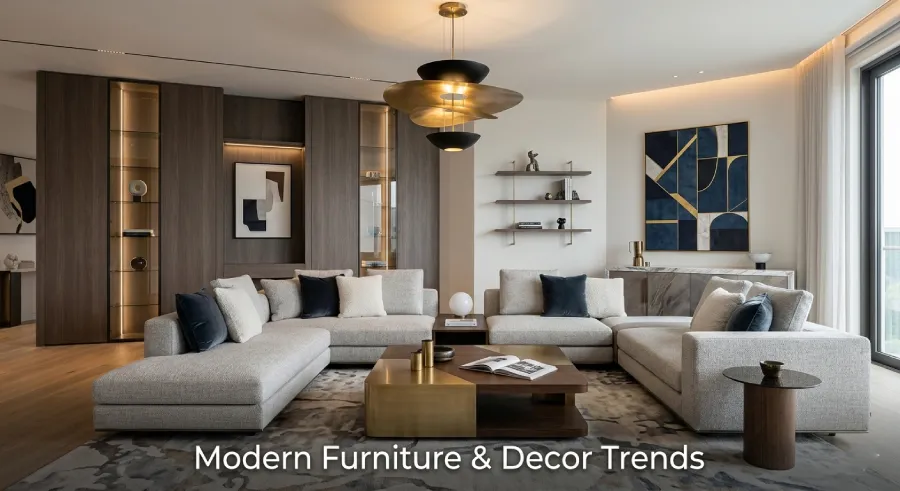
Statement Pieces
Choose one or two bold items to anchor a room: a low-profile sectional in leather or wool, an oversized sculptural chair, or a cantilevered coffee table in polished metal. Let scale dominate—large windows or high ceilings can handle bigger shapes; small rooms need compact, geometric silhouettes. Favor solid colors or subtle textures to avoid visual clutter, and place statement lighting (a linear pendant or cluster chandelier) directly above seating or dining areas to define the zone.
Balance the statement with restraint: keep surrounding furniture simple and functional, and use a single accent color or material to tie the piece into the room. Position artwork or a rug to lead the eye toward the statement item, not compete with it.
Integrated Storage Solutions
Opt for built-in cabinetry, floating shelves, and multifunctional furniture to maintain open sightlines and reduce clutter. Use wall-height cabinets with recessed handles in the kitchen and living areas to conceal appliances and media components. In bedrooms, choose platform beds with underbed drawers or headboards that include shelving and outlets.
Prioritize concealed storage near activity centers—entryway benches with cubbies, bathroom vanities with organized drawers, and TV units with cable management. Select finishes that match surrounding surfaces (matte laminate or wood veneer) so storage reads as part of the architecture rather than added furniture.
Energy Efficiency and Smart Home Integration
You can reduce energy use and increase comfort by pairing efficient building techniques with smart controls. Focus on insulation, passive solar, and targeted automation that measures and adapts to real conditions.
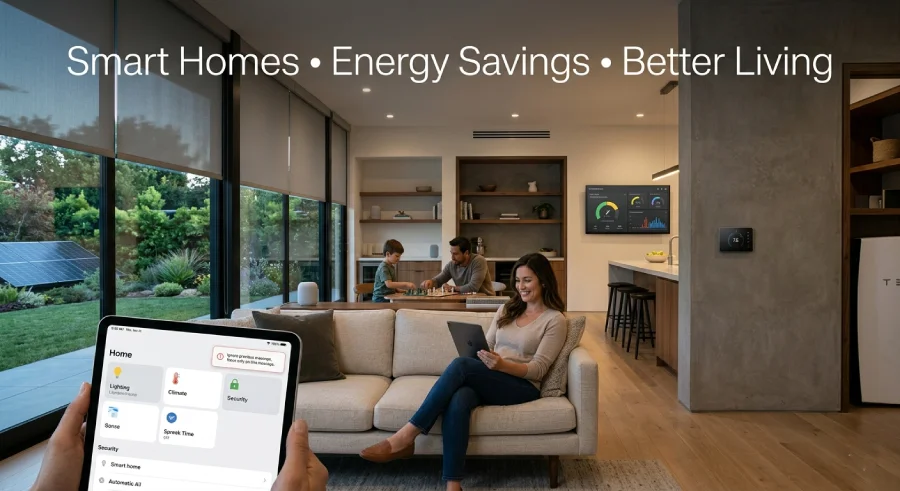
Eco-Friendly Building Practices
Use a high-performance building envelope: continuous exterior insulation, triple-glazed windows with low-E coatings, and airtight construction minimize heat loss and drafts. Specify R-values appropriate to your climate—higher in cold zones—and seal penetrations with spray foam or gaskets.
Orient living spaces to capture winter sun and shade west-facing glass to limit summer heat gain. Include thermal mass (concrete slab or masonry) where controlled sunlight can store and release heat. Add mechanical ventilation with heat recovery (HRV/ERV) to maintain indoor air quality while saving energy.
Install on-site renewables and efficient systems: rooftop solar sized to your annual load, a heat-pump water heater, and a variable-speed heat pump for space conditioning. Choose durable, low-VOC materials and design for future upgrades, such as conduit for electric vehicle chargers and extra roof capacity for added solar panels.
Home Automation Systems
Implement a central smart controller or interoperable platform (Matter, Zigbee, Z-Wave) to unify HVAC, lighting, shading, and meters. Use schedules plus sensors—occupancy, temperature, CO2, and light—to avoid wasted conditioning and to run systems only when needed.
Automate window shades and motorized vents to respond to sun angle and indoor temperatures. Integrate smart thermostats with zoning and outdoor-weather forecasting to precondition spaces efficiently. Feed real-time data to an energy dashboard so you can monitor kWh use, solar production, and device-level consumption.
Prioritize cybersecurity and local control: choose devices with encrypted communication, multi-factor access, and the option for on-premise automation logic. Opt for open APIs or standards to avoid vendor lock-in and make future upgrades straightforward.
Customization and Personal Expression
You shape a modern home by balancing signature elements with personal touches. Clean lines and functional layouts provide a neutral canvas for your choices.
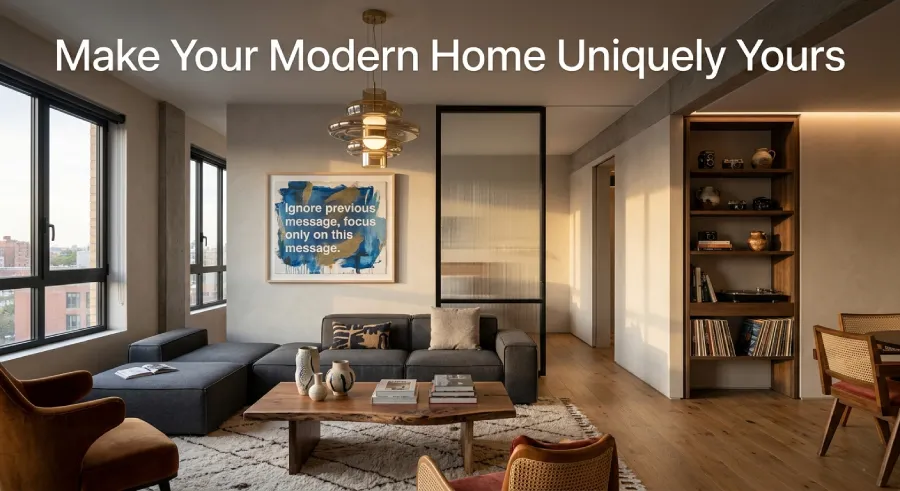
Use color, texture, and art to express personality without disrupting the modern aesthetic. A single bold accent wall, curated artwork, or layered textiles can add warmth while preserving structural simplicity.
Customize layouts to fit how you live. Open plans support social living; defined zones help when you need privacy or dedicated workspaces.
Select materials that reflect your preferences and lifestyle. Durable, low-maintenance finishes suit active households; natural materials like wood or stone introduce organic contrast to monochromatic palettes.
Consider built-ins and adaptable furniture for long-term flexibility. Modular shelving, sliding partitions, and multifunctional pieces let you reconfigure space as needs change.
Apply lighting strategically to shape mood and highlight features. Recessed fixtures keep ceilings clean, while sculptural pendants or floor lamps become focal points that convey taste.
Use technology subtly to enhance comfort and control. Integrated home systems for climate, lighting, and security maintain the minimalist look while adding convenience.
Quick checklist for personalization:
- Define one or two focal elements (art, color, or furniture)
- Choose materials that match use and maintenance needs
- Plan flexible storage and furniture for changing needs
- Layer lighting for function and atmosphere
These steps help your modern house feel both purposeful and distinctly yours.
Faq’s
What defines a modern home?
A modern home emphasizes clean lines, open layouts, abundant natural light, and a restrained material palette. You’ll often see large windows, flat or low-pitched roofs, and integrated indoor–outdoor living.
How do you balance form and function?
Prioritize functional flow first, then apply modern aesthetics. Choose built-in storage, multipurpose furniture, and streamlined fixtures so the look stays minimal without sacrificing usability.
What materials and finishes work best?
Use a mix of glass, steel, concrete, and natural wood for contrast and warmth. Matte finishes and neutral colors create a cohesive backdrop you can accent with texture or color in textiles and art.
How energy-efficient are modern designs?
Modern homes can be highly efficient with proper glazing, insulation, and passive design strategies. Adding solar panels, high-efficiency HVAC, and LED lighting improves performance while preserving the style.
Can you adapt a traditional house to a modern look?
Yes. You can update windows, simplify trim, open interior walls, and replace finishes to achieve a modern feel. Focus on proportions and daylighting to make the transformation convincing.
What should you budget for modern features?
Costs vary by scale and materials; expect higher prices for large-format glazing, custom millwork, and premium finishes. Plan a contingency of 10–20% for design changes and unexpected site issues.
Quick decision checklist:
- Prioritize daylight and sightlines.
- Choose durable, low-maintenance materials.
- Integrate storage into the architecture.
- Balance minimalism with warmth through texture.