


A sofa is the hardest working piece of furniture in most homes. You sit on it every day. Guests sleep on it. Kids bounce on it. Dogs claim it.
So this sofa buying guide starts with one honest rule: buy for your real life, not for the showroom. In the US most people say couch, but the buying rules are exactly the same. And you will not need design training for this. You need a tape measure, a little patience, and a clear idea of how your room actually gets used. Work through the steps below in order and you will avoid nearly every regret sofa owners talk about.
The Short Version: Six Rules That Save You Money
- Measure first: check the room, the doorway, the hallway and every tight turn before you fall for a style. Love comes second. Measurements come first.
- Frame matters most: a solid hardwood frame with corner blocks outlasts softwood and staples by years. This is the one thing you cannot see, and the one thing that matters most.
- Sit test honestly: spend at least ten minutes sitting how you really sit at home, curled up or stretched out. Not perched. Not polite.
- Fabric fits lifestyle: pets, kids and movie nights call for tight weaves and washable covers. The prettiest fabric is not always the right one.
- Depth is comfort: most sofas run about 35 to 40 inches deep, and deeper seats suit loungers, not short legs.
- Keep the receipt: check the returns window before delivery day, not after the truck leaves. That sentence has saved more people than any style tip I know.
Measure First: The Step Everyone Skips
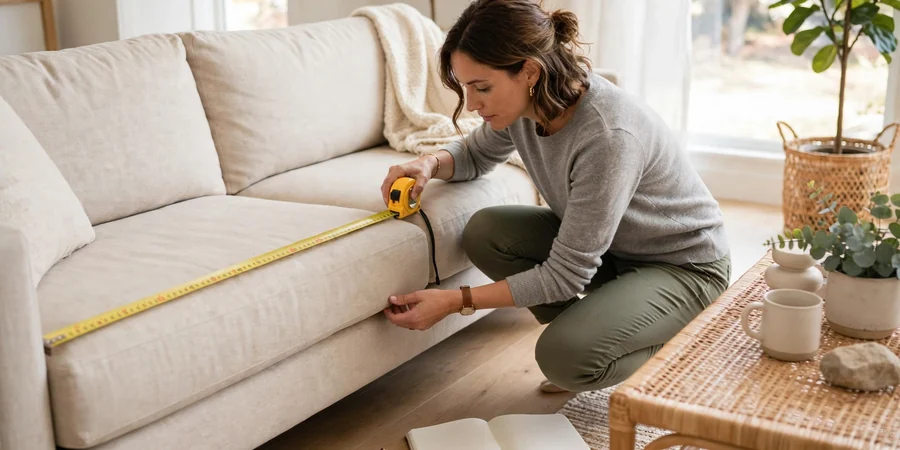
More sofas get returned over size than over colour or comfort. Start with the room itself. Measure the wall where the sofa will sit, then leave breathing space at both ends. A sofa that fills every inch makes a room feel smaller, not grander. It crowds you. It crowds the room.
Next, measure the journey the sofa must take. Front door width, hallway width, stair turns and lift doors all count. Delivery teams meet tight corners every single day.
Write every number down and take the list shopping with you. It sounds dull, yet it is the most useful habit in any sofa buying guide. One old trick still works best. Tape the sofa outline on the floor with painter’s tape. Live with the outline for a day. Walk around it, open doors over it, and check that coffee tables and lamps still fit. If you keep tripping over the tape, you will keep tripping over the sofa.
| Sofa type | Seats | Typical width |
|---|---|---|
| Loveseat | 2 | 48 to 72 inches |
| Standard sofa | 3 | 72 to 90 inches |
| Large sofa | 3 to 4 | 90 to 108 inches |
| Chaise sectional | 4 to 5 | 100 to 130 inches |
| Sofa bed | 2 to 3 | 72 to 96 inches |
Those widths are typical, not gospel. Check the exact model before you buy.
The Frame: Where Quality Really Lives
Fabric catches the eye, but the frame decides how long the sofa lasts. Ask the seller one simple question: what is the frame made of? The best answer is kiln-dried hardwood, such as beech or oak, because drying stops the wood warping over time.
It is the same test we apply to every piece in our furniture guides and ideas: look past the surface and judge the bones first.
Joints Tell the Truth
Strong frames use dowels, screws or corner blocks at the joints. Weak ones rely on staples and glue alone. Give the sofa a gentle lift by one front corner in the store. The other front leg should lift at the same time. If it lags or twists, the frame is flexing, so walk away. No discount fixes a flexing frame.
- Best sign: kiln-dried hardwood with blocked, screwed corners.
- Fine for budget buys: a mix of hardwood and sturdy plywood in low stress areas. Not perfect, but honest for the price.
- Walk away: thin softwood, particleboard frames or joints that creak when you sit. Creaking is the frame telling you the truth.
Suspension and Cushions: The Real Comfort Test
Under the cushions sits the suspension, the part that holds you up. Sinuous steel springs are common and feel firm and even. Eight-way hand-tied springs cost more and give a softer, more traditional ride. Webbing alone is the budget option and can sag early, so check what you are getting.
A good sofa buying guide always points at this hidden layer, because shops rarely mention it. Ask.
Cushion Fills, Compared Simply
Cushions shape the whole sitting experience. High-resilience foam holds its shape and needs little plumping. Feather feels cloud soft but asks for daily fluffing. Most families land happily in the middle with a foam core wrapped in soft fibre. Here is the honest comparison:
| Cushion fill | Feel | Upkeep |
|---|---|---|
| High-resilience foam | Firm, supportive | Very low, keeps its shape |
| Foam with fibre wrap | Soft top, firm core | Low, plump weekly |
| Feather or down blend | Sink-in and cosy | High, fluff daily |
| Pocket springs in foam | Bouncy, even support | Low, rotate monthly |
If you hate plumping, do not buy feather, no matter how good it feels for the first ten minutes in the shop.

Fabrics That Survive Real Life
The prettiest fabric in the shop can be the wrong choice at home. Match the fabric to your household first, then pick the colour. Any honest sofa buying guide will tell you the same thing: lifestyle beats looks every single time. Every time.
- Microfibre and tight synthetics: shrugs off stains and pet hair, great for busy family rooms. This is the workhorse choice.
- Cotton and linen blends: cool, natural and comfy, but they crease and stain faster. Lovely in a quiet room. Risky in a chaotic one.
- Leather: wipes clean and ages with character, yet costs more and can feel cold in winter.
- Velvet: rich colour and soft touch, but it shows marks and needs gentle care.
- Removable covers: the safest pick with toddlers, since the covers go straight in the wash. Honestly, this feature alone has saved many a sofa.
Colour does more than look pretty, too. Calm, natural tones anchor these japandi living room ideas.
Small Room? Read This Part First
A small room needs a smarter sofa, not just a shorter one. Look for raised legs, because seeing the floor under a sofa tricks the eye and opens the room up. Slim arms win back inches of seat space too. Low backs keep sight lines clear across the room.
Our guide to small living room ideas shows how layout does half the work before any furniture arrives. Pick one statement piece, then let the rest of the room breathe.
What Should You Spend? Budget Tiers That Make Sense
Prices vary a lot between the USA and the UK, but the tiers behave the same way. Spending more mainly buys frame quality and fabric that lasts, not just a fancier name.
- Budget tier: roughly 400 to 800 pounds, or 500 to 1,000 dollars. Fine for first flats and spare rooms, with foam cushions and simpler frames.
- Mid-range sweet spot: roughly 900 to 2,000 pounds, or 1,100 to 2,500 dollars. This is where hardwood frames and good suspension start, and where most families should shop.
- Premium tier: above that, you pay for hand-tied springs, full grain leather and long warranties. Worth it if this sofa is a ten year keeper. Not worth it for a flat you will leave in a year.
Independent testers dig into springs, frames and fabric wear in ways a showroom visit never can. The sofa tests and guides from Which? are a solid place to cross-check a model before you pay.
7 Mistakes That Quietly Waste Money
- Skipping the tape measure: the sofa fits the wall but not the doorway, and the return fee lands on you.
- Sitting for ten seconds: a showroom perch tells you nothing. Sit, slouch and stretch like it is Sunday.
- Falling for colour first: a bold shade feels fun for a month, then fights every cushion and curtain you own.
- Ignoring seat height: too low is hard on knees, too high leaves shorter legs dangling. Sit on it properly and notice your feet.
- Forgetting the fabric sample: take swatches home. Shop lighting lies about colour more than you think, and your living room light is nothing like a showroom’s.
- Buying the matching set: one good sofa plus different chairs looks richer than a matched trio. Matched sets can look like a showroom moved into your house.
- Skipping the warranty read: frame cover of ten years or more is a real quality signal. Read it before you pay, not when something breaks.
Delivery Day Checklist: Be Ready Before the Truck Arrives
The buying is done, but one careless delivery can undo it all. Run through this quick checklist on the morning the sofa arrives.
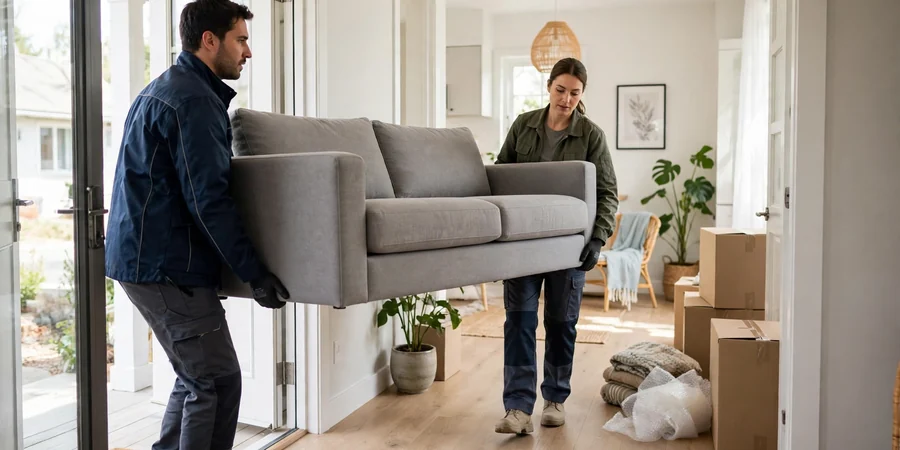
- Clear the path: move lamps, rugs and side tables so the crew has a straight run to the room.
- Check the fit again: compare your doorway numbers with the sofa’s packed size before the van sets off.
- Inspect on arrival: sit on every seat, check legs and fabric, and photograph any scuffs before you sign. Before you sign. That order matters.
- Keep the paperwork: receipts, warranty cards and fabric codes go in one folder for future claims. Future you will be grateful.
The Right Sofa Is the One That Fits Your Life
A sofa is a long relationship, much like choosing the perfect mattress for your new bed, where ten minutes of testing saves years of small regrets. Measure with care, ask about the frame, sit like you mean it, and let your daily life pick the fabric.
Do those four things and the sofa you bring home will still make you happy long after the delivery van has driven away. That is the whole heart of this sofa buying guide, and it works for every budget.
Sofa Sizes, Fabrics and Lifespans: The Questions That Actually Matter
How long should a good sofa last?
A well built sofa with a hardwood frame should last 7 to 15 years of daily use. Budget models often tire after 3 to 5 years, mostly in the cushions and suspension.
What is the best sofa fabric with pets?
Tight weave synthetics and microfibre win with pets. Hair brushes off easily, claws snag less, and most stains wipe clean with a damp cloth. Leather is a close second for wipe-clean ease, but claws can scratch it, so weigh that before you choose.
Should I choose feather or foam cushions?
Pick foam if you want a neat look with little effort. Pick feather blends if you love a soft, sink-in feel and do not mind daily plumping. There is no wrong answer here, only a wrong answer for your patience level.
How much space should I leave around a sofa?
Leave about 18 inches between the sofa and the coffee table so legs fit comfortably. Walkways behind the sofa need roughly 30 inches or more. Less than that and every trip past the sofa becomes a sideways shuffle.
Is a bigger sofa always better for comfort?
No. Seat depth matters more than length. A deep seat suits tall loungers, while a shallower seat supports shorter legs and better posture. Measure the sitter, not just the room.


