

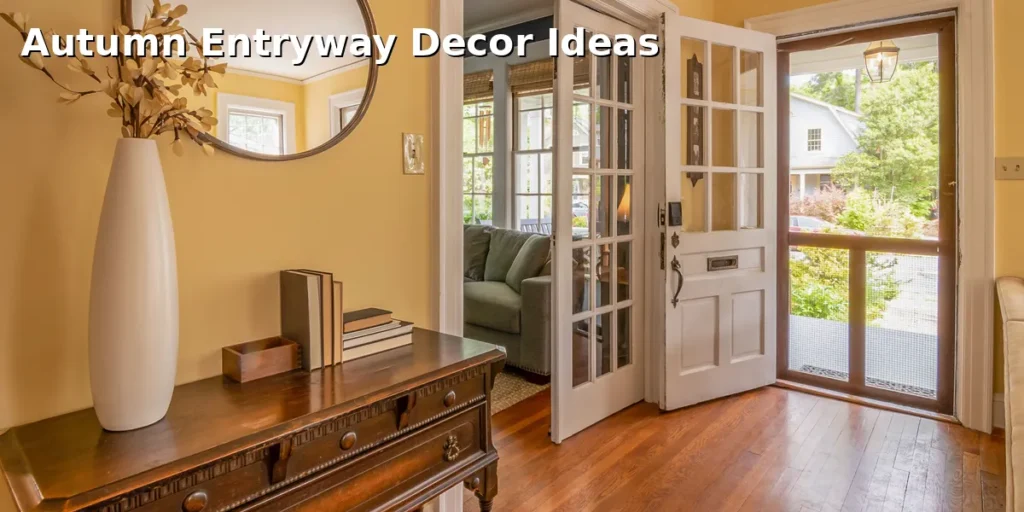
Autumn Entryway Decor Ideas That Start at the Door, Not the Shops
Autumn entryway decor ideas work when they sort wet shoes, coats and dark evenings first, then add warmth with a rug that survives rain, light kept low, and one seasonal touch that means something. That order is the whole trick. Start with the mess, and the pretty part takes care of itself.
I learned this the hard way, in a hall so narrow that a basket left by the door blocked the whole walkway. For years I bought the wreath first and wondered why the hall still felt wrong. The hall felt wrong because nobody could get through it without stepping over something. Fix the path, and the season finally has somewhere to land.
If you want more room ideas in the same practical spirit, browse our Rooms collection and steal whatever fits your hall.
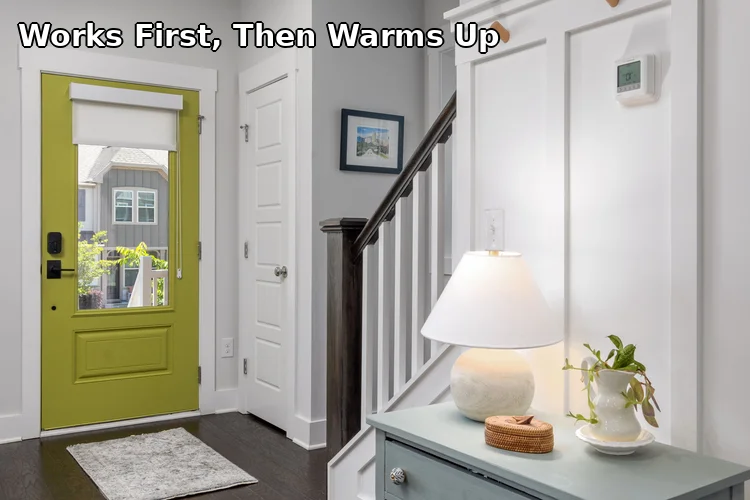
First, Clear the Path: What Stays and What Goes
Take everything out of the hall before you add a single pumpkin. Coats you have not worn since March, shoes with no partner, bags from trips you barely remember, all of it goes somewhere else for ten minutes. You cannot judge a hall while it is wearing last season.
What comes back earns its place by being used every day. One pair of shoes per person by the door, not four. Coats for this weather, not every coat you own. Keys, dog lead, school bag, the things you reach for half asleep. The rest lives in a cupboard, and nobody misses it.
I keep a small basket by the door for the overflow that appears anyway, because it always appears. A basket looks intentional even when it is full of gloves and a stray scarf. A pile on the floor never does.

The Console, Done in Three Moves
A console table in autumn has one job before it has any other: hold the things you drop when you come home, without turning into a junk drawer with legs. Clear it completely, then rebuild it in three moves, and stop.
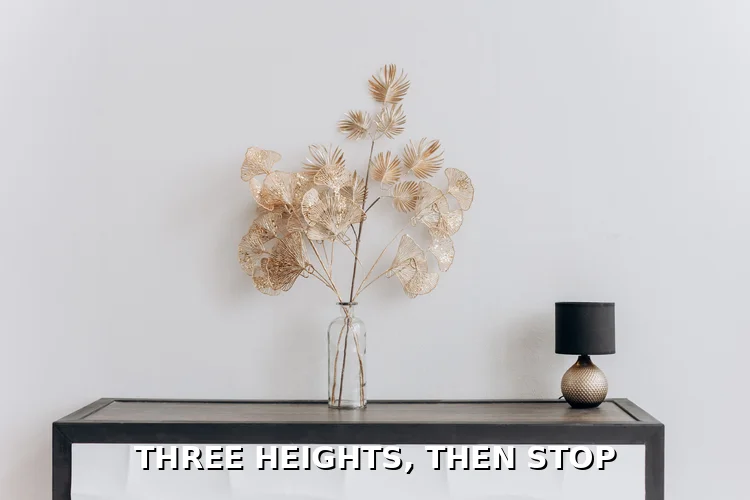
Three heights, then stop
Put something tall at the back, a vase of branches or a lamp, something medium in the middle, a stack of two books or a small clock, and something low in front, a bowl or a candle. Three heights read as styled. Five objects read as a shop shelf, and the mail has nowhere to land.
For the tall piece, three or four stems are enough. Bare branches, dried wheat, a few turning leaves from the garden, all of them take up more visual space than you expect. A vase that gets knocked by a bag on the way out is in the wrong spot, so push it to the wall side, not the walking side.
The bowl that saves the surface
A shallow bowl for keys is the least decorative thing in this article and the most useful. Keys slide around loose on a console, they scratch the top, and they vanish under post. One bowl fixes all three problems, and it costs less than the pumpkin it sits next to.
Leave a third of the console empty on purpose. That empty patch is where the post lands, where a guest puts a phone down, where life happens. A console with no empty space is a display, not furniture. Our small living room ideas use the same trick, measuring the walkway before anything pretty goes in.
A Bench You Can Actually Sit On
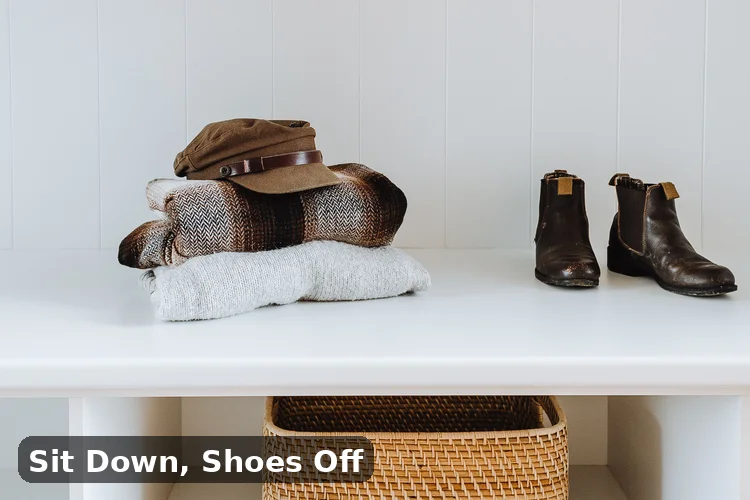
A bench by the door is only worth its floor space if you can sit on it while pulling boots on, with a bag beside you and a coat already on its hook. If the bench is covered in cushions, throws and a basket of pinecones, it is not a bench. It is a shelf you cannot sit on.
Keep one cushion, folded throw if you like, and nothing else on top. Shoes go underneath, in a shoe tray or a low basket, one pair each, so the tray can be lifted out and shaken outside. Hooks go above, at a height you can reach with a coat in one hand, and a few hooks stay empty. Full hooks help nobody, because the next coat ends up on the bench.
For the seasonal touch here, a plaid throw in rust or deep green does more than a row of small ornaments. It gets used, it gets washed, and it still looks like October. Better Homes and Gardens fall ideas lean the same way, on layered texture and one warm accent rather than a pile of themed pieces.
Rugs That Survive October Rain
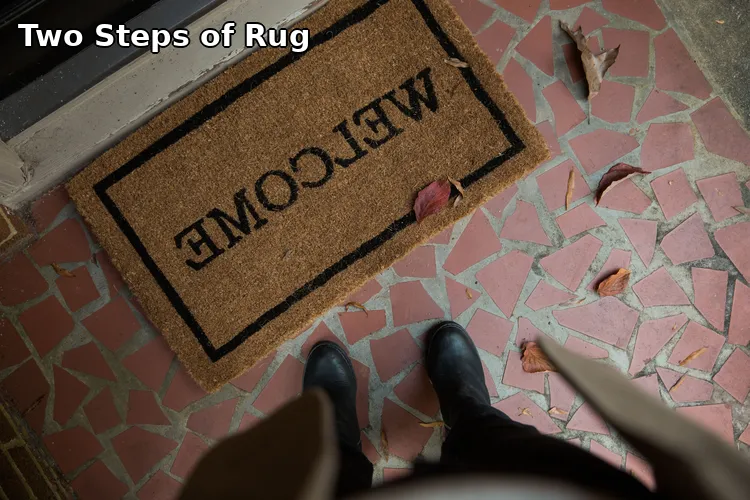
The rug by the door takes more punishment in October than any other textile in the house. Wet shoes, muddy paws, grit from the path, all of it lands in the same two square feet. A pretty rug that cannot be shaken out or hosed down is a rug you will hate by November.
Size first, material second
Measure the door swing first, then buy. The rug should sit flat with the door open, not bunch under it, and it should be long enough for two steps, so wet shoes land on rug, not on bare floor. A flatweave or a coir doormat on top of a larger woven base works well, because the top layer takes the dirt and the base stays put.
Coir scrapes mud off well but sheds fibres, so it suits a covered porch better than a pale carpet. Indoors, a washable flatweave or an indoor-outdoor rug wins, because you can actually clean it. Darker, textured weaves hide a week of footprints in a way a pale smooth rug never will.
One rug, done properly, beats three small mats layered for a photo. Layered mats slide, curl at the corners, and trip people carrying shopping. If you love the layered look, use a rug gripper underneath, and check the corners every Sunday.
Light It Low and Warm
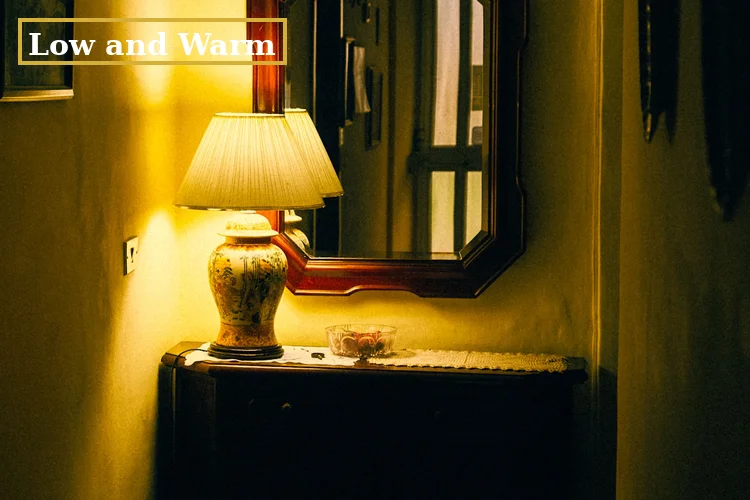
October evenings get dark early, and a hall lit by one overhead bulb feels like a corridor, not a welcome. Light kept low, at two or three heights, changes the whole arrival, and it costs less than any furniture swap.
Start with the console lamp, warm white, around 2700K, with a fabric shade that softens the glow. Add a second low source, a lantern on the floor or a candle on a tray, and leave the overhead light off when you can. That is the whole scheme. Three sources at different heights, all warm, no cool white anywhere near the door.
A mirror above the console helps here twice over. It bounces the lamp light back into the hall, and it gives you a last check before you leave. Hang it where it reflects the lamp, not a blank wall, and keep the frame simple so the reflection does the work. Our Christmas living room ideas layer light the same way, low and warm, with the big light switched off.
Narrow Hall, No Hall, One Wall: Make It Work
Most halls are not foyers. They are a strip of floor by the door, a corner of the living room, or a wall with a door in it. All three can work in autumn, as long as you stop trying to copy a hall you do not have.
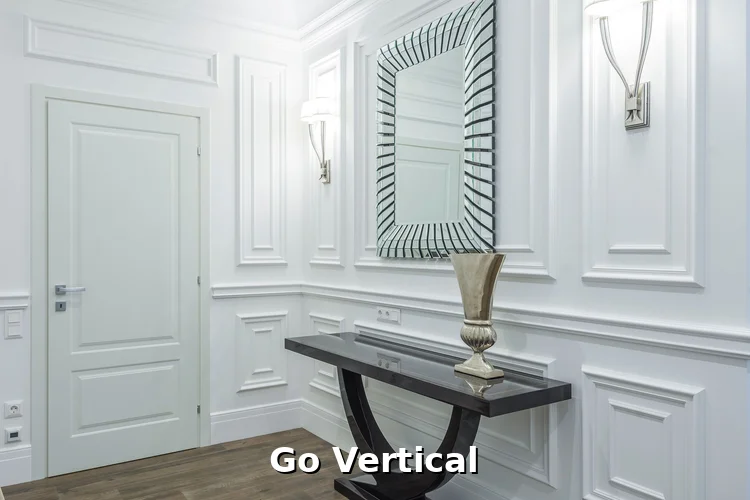
In a narrow hall, go vertical. A slim console no deeper than a hand span, hooks on the wall, a mirror above, and everything else off the floor. A ladder shelf in a corner holds branches and a candle without blocking the walkway, and a runner with texture hides footprints better than a smooth mat.
No hall at all
If the front door opens straight into the living room, mark the entry with a rug and a wall strip, not furniture. A row of hooks, a small shelf for keys, and a basket for shoes tell everyone where the hall ends and the room begins. No bench, no console, no blocked path, and the room still feels entered, not walked through.
Renters can do all of this without drilling. Removable hooks, a leaning mirror, a freestanding shoe tray, and a rug that rolls up when you move. Small rooms reward the same discipline as big ones, only faster. Our winter bedroom ideas show the same small-space moves, one warm colour repeated, storage on the walls, and light kept low.
Five Traps That Undo a Good Hall
Most autumn halls fail the same five ways, and none of them is about taste. They are about things that block, fall, smell, or pile up.
First, the wreath hung over the hooks, so coats cover it by day two. Hang the wreath on the door or a bare stretch of wall, never over working hooks. Second, real pumpkins on the floor by the door, where they get kicked, then rot quietly behind the bench. Put pumpkins on a tray, off the walkway, and check them weekly.
Third, scent layered three deep, candle plus diffuser plus simmer pot, in a closed hall. One scent is plenty. Fourth, a garland draped over the mirror, which looks lovely and blocks the mirror completely. Fifth, buying the whole autumn collection in one shop trip, then wondering why the hall looks like a display. Buy one piece, live with it a week, then decide what is actually missing.

Your 20-Minute Autumn Refresh
You do not need a weekend for this. Twenty minutes, timed honestly, is enough to turn a summer hall into an October one, because most of the work is removing things, not adding them.
Minutes one to five: clear the console and the floor, basket in hand, everything that does not belong goes out. Minutes six to ten: shake the rug outside, wipe the console, put the shoe tray back. Minutes eleven to fifteen: rug down, branches in the vase, bowl for keys back, lamp on. Minutes sixteen to twenty: throw on the bench, one candle lit, wreath on the door, step back to the doorway and look.
That last look matters more than any single purchase. Stand where a guest stands, not where you styled from. If the path is clear, the light is warm, and one thing makes you smile, stop. The hall is done, and the rest of the evening is yours.

Questions People Ask About Autumn Entryways
These are the questions I hear every October, from friends, from readers, from anyone standing in a hall with a bag in each hand.
How do I decorate a small entryway for autumn without clutter?
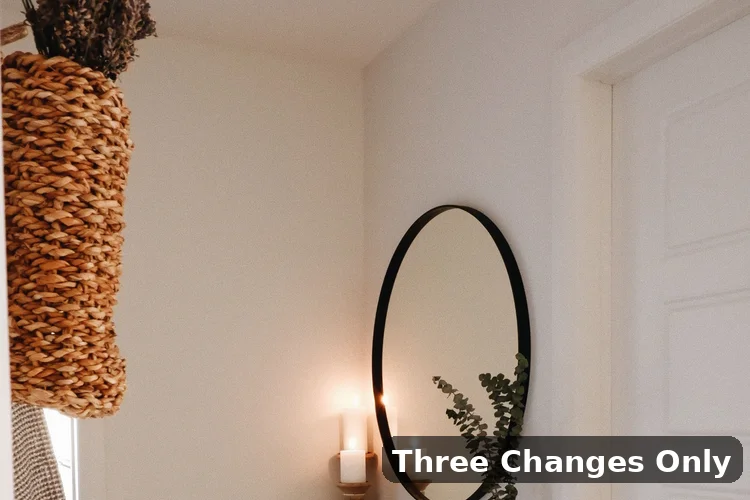
Change three things and leave the rest alone. A textured rug, a vase of branches, and a lamp turned on earlier in the evening will shift the whole feel. Keep one hook empty, one patch of console clear, and let the everyday stuff have its place instead of fighting it.
What goes on an entryway table in autumn?
A lamp, a bowl for keys, a vase with a few branches, and one seasonal object, a candle or a small pumpkin. That is plenty. Cover the whole surface and there is nowhere for post or a bag to land, so the styling lasts about a day.
Real or faux pumpkins by the door?
Real pumpkins look better for a week and then need checking, especially near a warm radiator or a damp corner. Faux pumpkins last the whole season and survive being knocked. I use real ones on a tray where I see them daily, and faux ones on the floor, where feet do the damage.
How do I keep wet shoes from ruining the hall?
One tray, big enough for the shoes actually worn, by the door, with a rug long enough for two steps. Shake the tray outside once a week, and keep a spare pair of dry socks in the basket for the days the rain wins anyway.
Leave One Hook Empty
Here is my rule for the whole season, and it fits on one hook. Leave one hook empty, one patch of console clear, and one surface with nothing on it at all. Those empty spots are not unfinished. They are the reason the hall still works in December, when coats get heavier and guests bring more bags.
Autumn in a hall is not a collection. It is a clear path, a warm lamp, a rug that can take rain, and one branch arrangement you actually notice when you come home. Get those four right, and the hall stops being a corridor you rush through. It becomes the part of the house that says, without a word, that you are home, and that someone thought about your arrival.



One Response