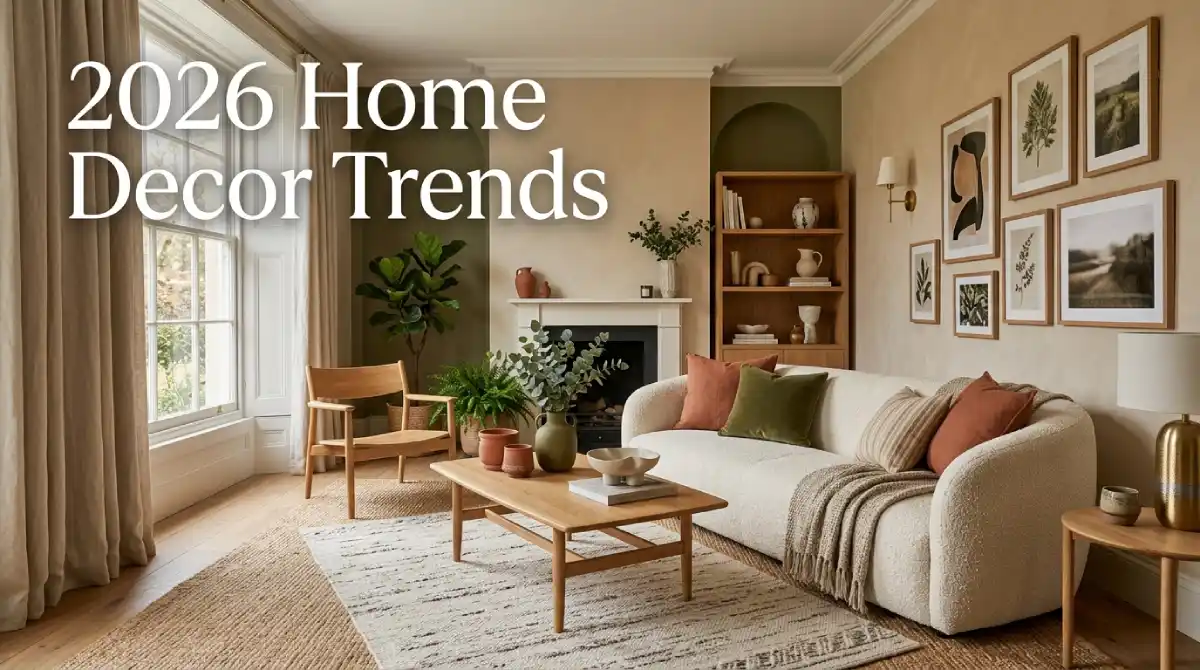
The 2026 home decor trends mark a clear break from cold, pared-back minimalism. UK homes are shifting toward warmth, texture, and rooms that feel genuinely lived-in.
Earthy tones, tactile materials, and personal touches now define the look. Stark white walls and empty surfaces are losing ground fast.
This shift isn’t just aesthetic. It reflects how people actually want to feel at home after years of over-styled, showroom-perfect spaces.
2026 Home Decor Trends at a Glance
Here’s a quick snapshot before we dive into each trend.
| Trend | Key Colours/Materials | Best For |
|---|---|---|
| Midimalism | Soft neutrals, natural wood | Living rooms, bedrooms |
| Warm Earthy Tones | Terracotta, olive, espresso brown | Any room |
| Regencycore | Gold accents, elaborate wallpaper | Living rooms, dining rooms |
| Lived-In Layered Look | Mixed textures, vintage pieces | Whole-home styling |
| Investment Pieces | Solid wood, quality upholstery | Furniture purchases |
| Personalised Decor | Gallery walls, handmade items | Hallways, living rooms |
| Lounge-First Sofas | Oversized corner sofas | Living rooms |
Midimalism: The Middle Ground Everyone Wants
Midimalism sits between Scandinavian minimalism and full-blown maximalism. It’s one of the most talked-about 2026 home decor trends so far.
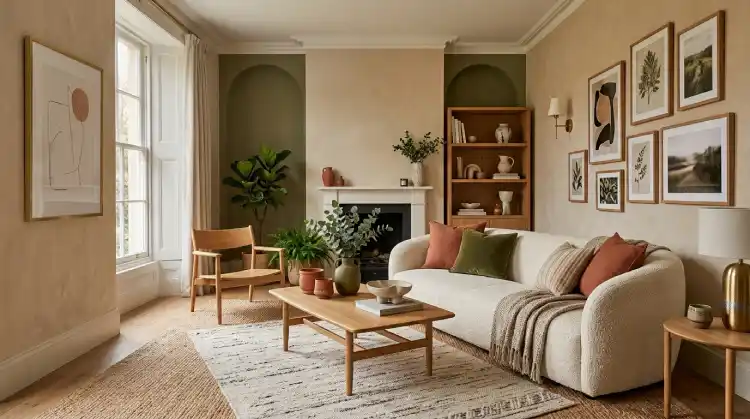
The idea is simple. Keep spaces calm, but let them feel personal. Empty rooms are out. Thoughtful, intentional pieces are in.
A grounding rug and a solid wood coffee table can anchor a room instantly. Add one or two artisanal pieces rather than filling every surface.
This trend works especially well in small UK homes. It avoids clutter while still feeling warm and considered.
Warm Earthy Tones Replace Cold Greys
Terracotta, olive green, and soft beige are the new neutrals for 2026. Deep reds and espresso brown are showing up in upholstery and paint alike.
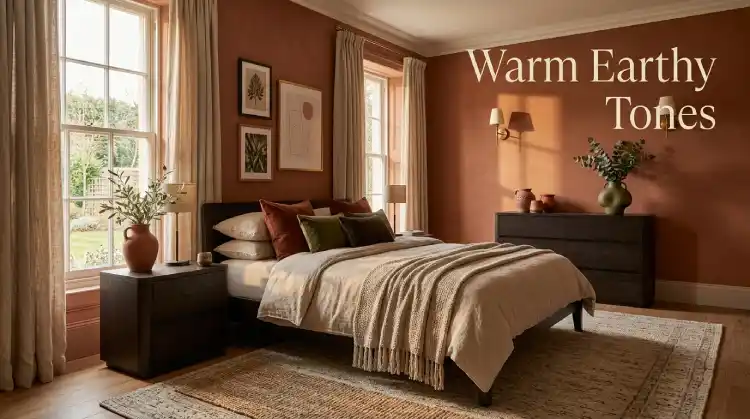
These tones pair naturally with wood, stone, and rattan. Together, they create a calming, grounded feel that grey schemes never quite managed.
A feature wall in a warm earthy tone costs relatively little to test. Most UK paint brands stock these shades in sample-size pots from around £3 to £5.
If painting feels too permanent, start smaller. Cushions, throws, and ceramics in these tones deliver the same effect with zero commitment.
Regencycore Brings Drama Back
Bridgerton’s influence hasn’t faded. Regencycore is one of the boldest 2026 home decor trends as a result. Think elaborate wallpaper and gold accents.
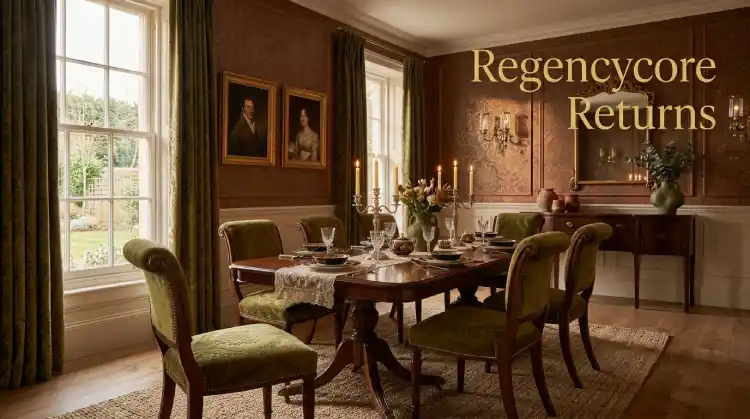
The look favours heritage shapes with curves and pleats. Floor-length curtains and opulent colour bursts complete the effect.
Start by stripping a room back to its architectural details. Then layer in one or two Regencycore pieces rather than overwhelming the space.
This trend suits period properties particularly well. Victorian and Georgian UK homes already have the bones this style wants to show off.
The Lived-In, Layered Look
Perhaps the biggest overall shift among 2026 home decor trends is away from “fast interiors” entirely. Homeowners want rooms that tell a story.
Layering is the key technique here. Mix old with new, and let treasured pieces show their history rather than hiding it.
Repurposed furniture, time-softened woods, and inherited items all fit naturally. Nothing needs to match perfectly for this look to work.
Gallery walls are a simple way to start. Mix prints, photographs, and paintings without worrying about a uniform frame style.
Investment Pieces Over Disposable Decor
Quality over quantity defines this trend. Instead of frequent updates, homeowners are choosing fewer, better pieces built to last.
Solid wood furniture and well-constructed upholstery cost more upfront. A quality sideboard might run £400 to £800, versus £150 for flat-pack versions.
The payoff is longevity. These pieces adapt as rooms change, rather than needing replacement every few years.
This approach also fits a broader sustainability shift. Fewer purchases, made thoughtfully, reduce both cost and waste over time.
Personalised Decor Takes Centre Stage
Individuality is central to the 2026 home decor trends list. Homes are increasingly expected to reflect the people living in them.
Custom cushions, locally crafted ceramics, and sentimental gifts all fit this trend. Mixing styles and eras is actively encouraged rather than avoided.
A gallery wall remains the easiest entry point. It costs little beyond frames and printing, yet transforms a hallway or staircase instantly.
The goal isn’t matching perfection. It’s a space that feels unmistakably like you, not a showroom display.
Oversized, Lounge-First Sofas
Comfort has taken over the living room in 2026. Sprawling corner sofas now dominate over sleek, formal seating arrangements.
This shift reflects how people actually use their living rooms. Fewer formal gatherings, more sprawled-out evenings watching television or working from home.
Deep seats and soft, tactile fabrics define the look. Boucle and chenille remain popular choices for this style in 2026.
Measure carefully before buying. Oversized sofas need generous floor space, which can be tight in smaller UK living rooms.
Which Rooms Suit Each Trend Best
Not every trend fits every room equally well. Matching the style to the space makes the result feel intentional.
Midimalism works best in bedrooms and living rooms. These are spaces where calm matters more than drama.
Regencycore shines in dining rooms and formal living rooms. It needs space to breathe, so avoid cramming it into small hallways.
Warm earthy tones adapt almost anywhere. Kitchens, bathrooms, and bedrooms all take terracotta and olive well.
Lounge-first sofas obviously belong in living rooms. Just measure the space carefully before committing to an oversized piece.
Mistakes to Avoid When Following 2026 Home Decor Trends
Chasing every trend at once is the most common mistake. Rooms end up feeling chaotic rather than curated.
Pick one or two trends per room instead. Midimalism and warm earthy tones, for example, pair naturally without competing.
Ignoring your home’s existing architecture is another pitfall. Regencycore suits a Victorian terrace far better than a modern new-build.
Buying disposable pieces to chase a look quickly also backfires. It works against the investment-piece principle driving much of 2026’s shift.
Finally, don’t ignore scale. An oversized sofa that overwhelms a small room undoes the comfort it was meant to create.
How to Start Incorporating 2026 Home Decor Trends
You don’t need a full renovation to catch up with these trends. Small, targeted changes go a long way.
Start with one room rather than the whole house. A living room or hallway makes an easy, visible test case.
Pick two trends that complement each other. Warm earthy tones and midimalism, for example, work naturally together in most spaces.
Budget for texture before colour. Rugs, cushions, and throws are the cheapest way to test a trend before committing further.
Frequently Asked Questions
What is the biggest home decor trend for 2026? Midimalism and warm earthy tones are the two most widely reported trends across UK design sources.
Are grey interiors out of style in 2026? Yes, cold grey palettes are losing popularity to warmer, earthier tones like terracotta and olive.
What colours are trending in home decor for 2026? Terracotta, olive green, espresso brown, and soft beige are the standout colours defining 2026 interiors.
Is minimalism still popular in 2026? A softer version, called midimalism, is popular. Stark, empty minimalism has fallen out of favour.
How much does it cost to update a room with 2026 trends? Small updates like cushions and paint samples cost a few pounds. Investment furniture pieces typically run £400 upward.
The Bottom Line on This Year’s Biggest Style Shift
The 2026 home decor trends all point in the same direction. Warmth, texture, and personality now matter more than polish.
You don’t need to overhaul your entire home at once. Pick one trend, start small, and build from there.
Whichever direction you choose, the underlying message is the same. Homes should feel lived-in, not staged.