Ask three people what they paid for new sash windows and you will probably hear three wildly different answers. One neighbour had theirs done for a modest sum. Another spent several times that on the same size of house. Neither is necessarily wrong, and neither was necessarily ripped off.
Sash window prices vary because so many things feed into the final figure. Understanding those things puts you in a much better position to budget properly, compare quotes fairly and decide where it is worth spending more. This guide walks through every major factor, so the next time you try a sash window cost calculator or open a quote, you will know exactly what you are looking at.
1. The Material
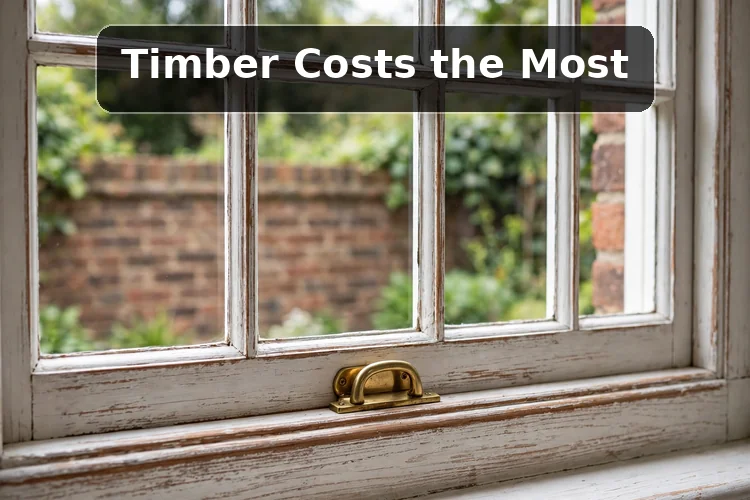
This is usually the biggest single driver of price.
Timber is the traditional choice and the one most often specified for period homes. Hardwoods such as oak or quality softwoods such as accoya or redwood are commonly used. Timber sashes look authentic, can be repaired over many years and can be painted in almost any colour. They also tend to cost more, both at the outset and in upkeep, because they need repainting or restaining every so often.
uPVC is generally the more affordable option and needs very little maintenance. Modern uPVC sashes have improved a great deal, with slimmer profiles and woodgrain finishes. However, they may not suit every property, and some conservation areas or listed buildings do not permit them.
Aluminium is less common for sashes but exists, usually in more contemporary designs. It is strong and slim, but is rarely the cheapest route.
If budget is tight, the material decision alone can move the total by a considerable margin.
2. The Type of Sash Mechanism
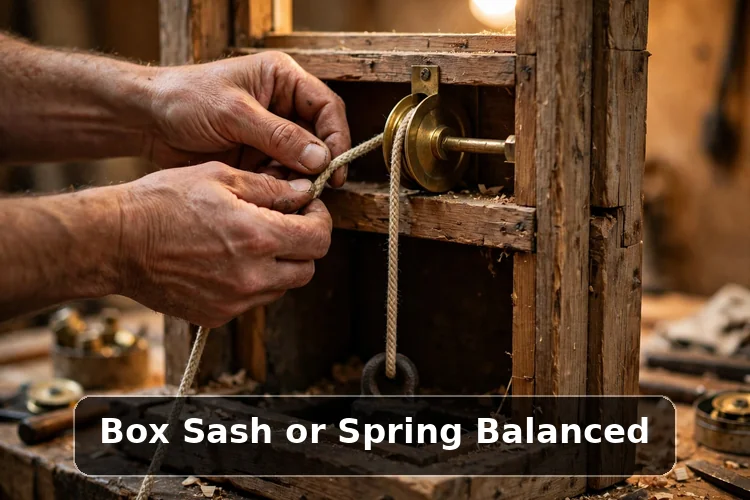
Not all sashes work in the same way, and the mechanism affects both price and performance.
- Traditional box sash: weights and cords hidden inside a timber box frame. These are the classic option and typically the most expensive, but they are beautiful when done well.
- Spring-balanced sash: a modern mechanism that replaces the weights and cords. It is more compact and generally cheaper.
- Tilt-in sash: designed so the sashes can tilt inwards for easy cleaning, a useful feature on upper floors.
- Slider or fixed sash: simpler designs that cost less, though they lack the full traditional operation.
A true box sash with all the trimmings will almost always cost more than a spring-balanced alternative, so decide how much authenticity matters to you.
3. Size and Number of Windows
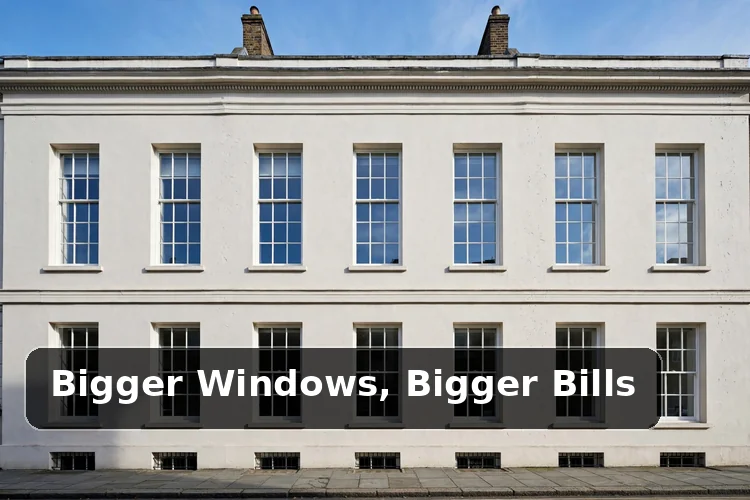
This is the most obvious factor, but there is a twist. Price does not rise in a perfectly straight line with size. Very large windows need heavier glass, stronger frames and more careful handling, so a window twice the size can cost more than twice as much.
Quantity matters too, though in the opposite direction. Some installers offer better value per window on larger orders because setup, travel and delivery are spread across the whole job. If you are planning to replace the whole house, ask whether doing it in one go changes the price. That is why sash window prices for a whole house often work out lower per window than a one-off replacement.
4. Glazing Specification
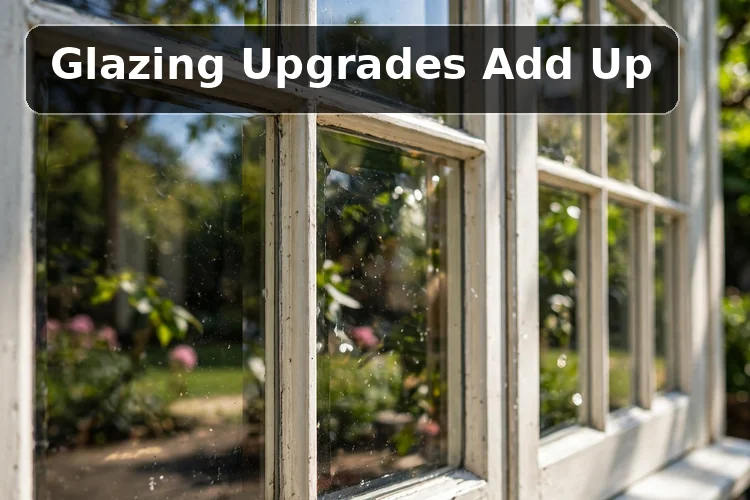
Almost every new sash window today comes double glazed as standard, but there are plenty of options within that.
- Standard double glazing is the baseline for most homes.
- Low-emissivity (low-E) glass reflects heat back into the room and improves thermal performance.
- Argon gas filling between the panes slightly improves insulation.
- Slimline double glazing allows thinner glazing bars that suit period properties but can cost more.
- Acoustic glass helps if you live on a busy road.
- Triple glazing gives the best insulation, but it is heavier and pricier, and can be difficult to fit into traditional sash frames.
Each upgrade adds to the cost, though some pay you back over time through lower energy bills. It is worth asking what each option actually delivers rather than assuming more expensive means better for your home.
5. Finish, Colour and Hardware
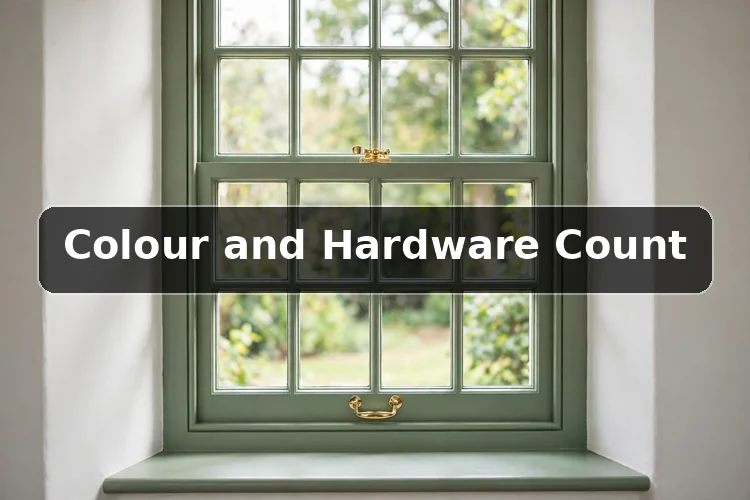
Details that seem small can add up.
Factory-finished colours generally cost more than standard white. Bespoke paint colours, two-tone finishes (one colour inside, another outside) and special effects raise the price further. Hardware matters too. Fancier sash fasteners, lifts and security locks all have different costs.
Think about what you will see and touch every day. Quality hardware is worth paying for, while an exotic colour you may tire of in five years might not be.
6. Installation
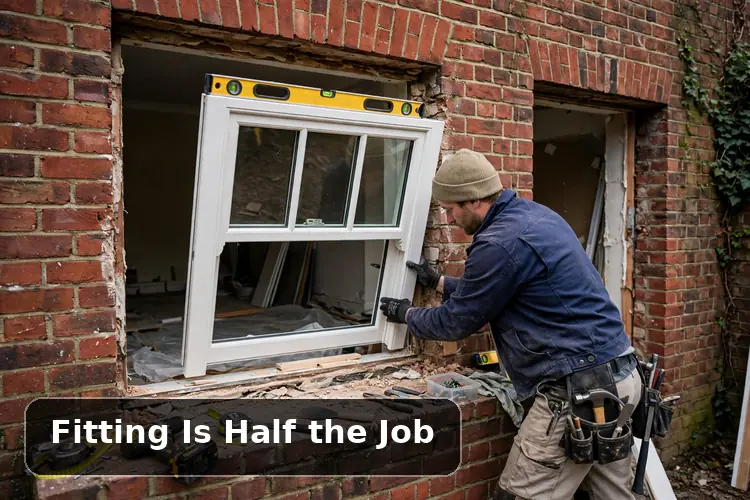
A well-installed window is as important as a well-made one, and good labour is rarely cheap.
Installation costs depend on:
- Access: a ground-floor window is quicker to fit than one three storeys up that needs scaffolding.
- Removing the old windows: taking out and disposing of existing frames takes time.
- Making good: plastering, decorating and repairing the surrounding area can be included or charged separately.
- The condition of the opening: rotten sills or out-of-square frames need extra work.
When comparing quotes, always check whether the price is supply only or supply and fit. The difference can be significant.
7. Your Property Type and Location
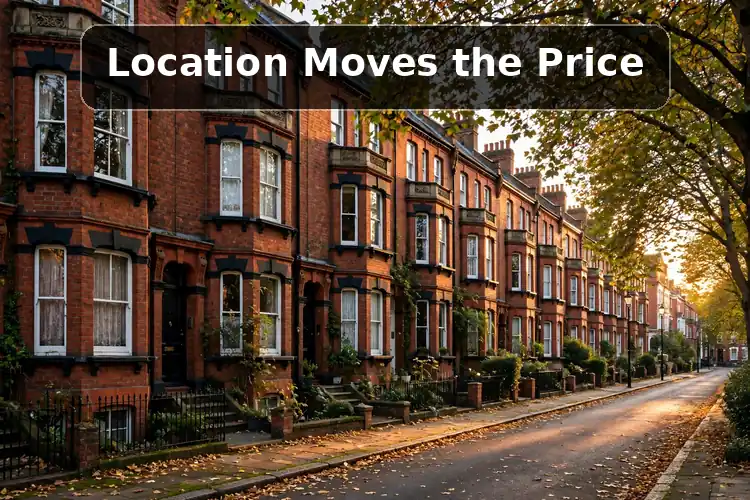
Where you live affects the price in a few ways.
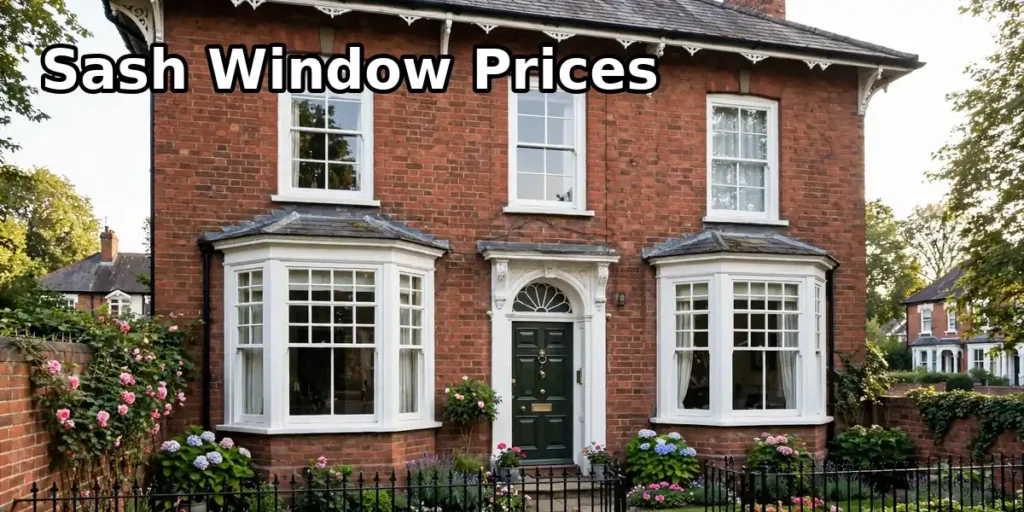
Labour rates vary across the UK. London and the South East are generally more expensive than other regions. Rural locations might add travel costs. The age and type of your property also matters, because Victorian and Georgian houses often have unusual openings that need bespoke work, whereas a 1990s semi probably has standard sizes.
8. Planning Rules and Heritage Restrictions
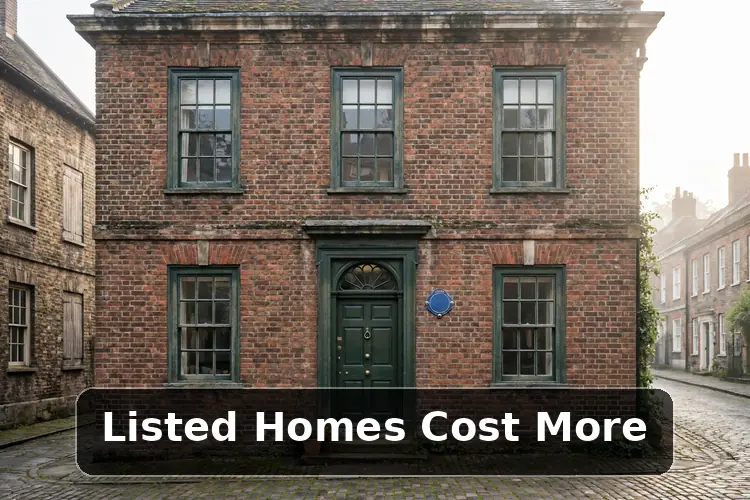
If your home is listed or sits in a conservation area, you may face restrictions on what you can install. Authorities often require like-for-like replacements, meaning timber frames with traditional details. Planning applications and specialist advice can add to the overall cost and timescale.
Always check the rules before you fall in love with a particular style. It is a lot cheaper to find out early than after the windows have been made.
9. Brand, Manufacturer and Guarantees
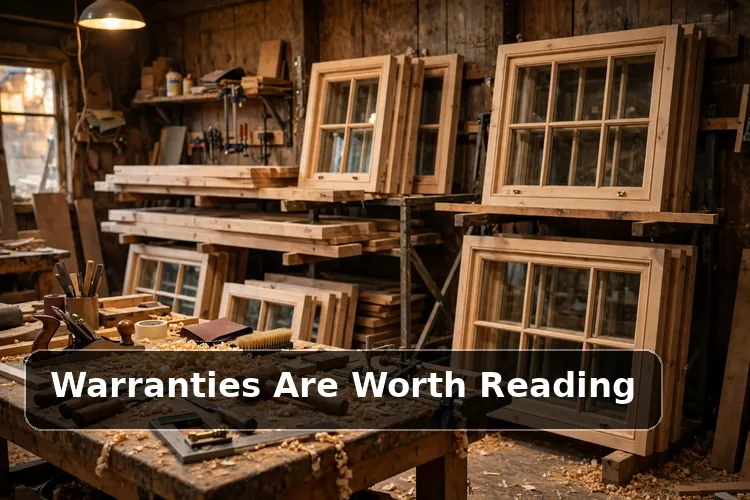
Reputable manufacturers with solid warranties may charge more than budget alternatives, but there is often a reason. Better materials, tighter manufacturing tolerances and longer guarantees all add up. Look at what the warranty actually covers and for how long, and whether the installer is registered with a recognised competent person scheme such as FENSA.
10. Timing and Demand
Window installers tend to be busier in spring and summer. Booking in the quieter months may give you more flexibility on both dates and pricing, although that is never guaranteed.
How to Use This Knowledge
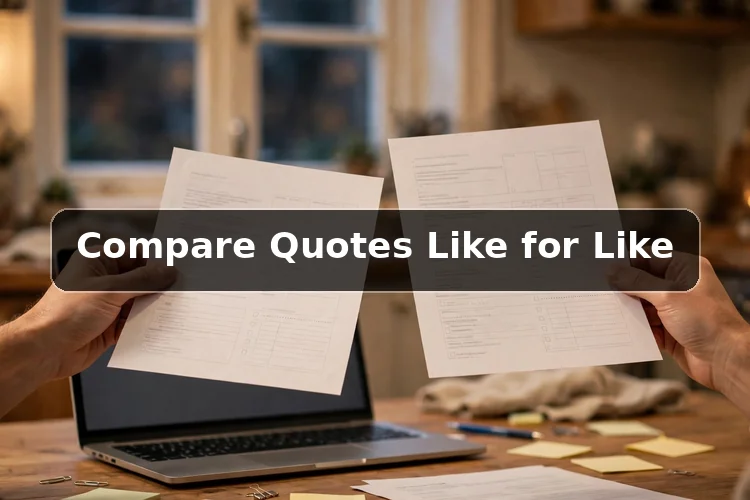
Now that you know what pushes sash window prices up and down, you can make smarter decisions.
- Decide your priorities. Authenticity, energy efficiency, low maintenance and budget will not all pull in the same direction.
- Test options in a sash window cost calculator. Change one factor at a time, such as material or glazing, and watch the effect on the price.
- Ask for detailed quotes. Make sure each one lists the specification clearly so you can compare like with like.
- Keep a contingency. Older homes often reveal surprises once the old windows come out.
Final Thoughts on Sash Window Prices
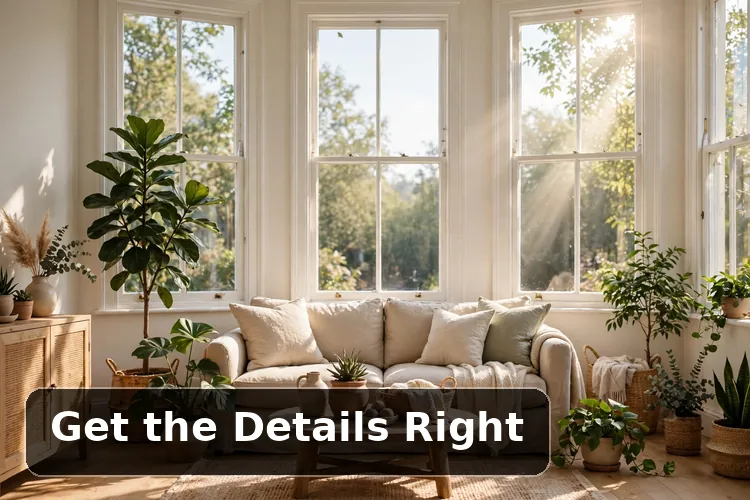
Sash window prices are not random. They reflect a mix of materials, mechanisms, glazing, finishes, labour and the character of your home. Once you understand those moving parts, quotes become far easier to read, and a sash window cost calculator becomes a genuinely useful planning tool rather than just a number on a screen.
Take your time, ask questions, and decide which features are worth paying for. Done well, new sash windows will serve your home for decades, so it pays to get the details right.