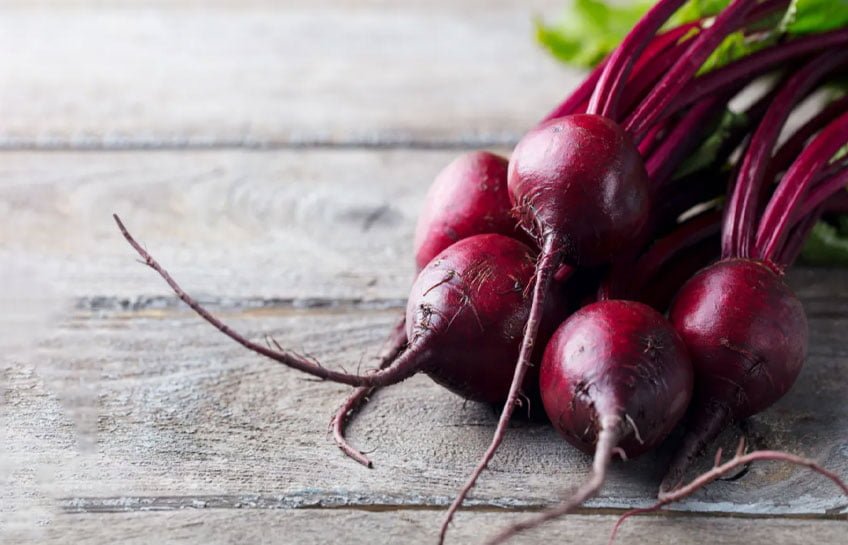
Growing thriving beetroot is easier than most gardeners think once you understand soil prep, spacing and watering basics. This guide breaks down proven techniques for bigger, sweeter roots and healthier greens, perfect for beginners and experienced growers alike.
Beetroot is one of the easiest root vegetables to grow at home, offering both edible roots and nutritious greens. This guide covers soil preparation, planting, watering, pest control and harvesting tips needed for thriving beetroot. Whether you are a first time gardener or improving an existing patch, these steps help you grow healthy, vibrant beets all season.
Choosing the Right Beetroot Variety
Picking the correct variety sets the foundation for success. Popular choices include Detroit Dark Red, Chioggia and Golden Beetroot, each offering different flavors and colors. Detroit Dark Red is reliable and widely available. Chioggia produces striking pink and white rings inside. Golden beets have a milder, sweeter taste and do not bleed color when cooked.
Preparing Soil for Thriving Beetroot
Beetroot grows best in loose, well draining soil with a pH between 6.0 and 7.0. Heavy clay soil should be amended with compost to improve drainage. Remove stones and clumps so roots can expand freely. A raised bed works well if your garden soil is compacted or rocky.
Add a layer of aged compost about two inches deep before planting. This improves nutrient content and helps retain moisture. Avoid fresh manure, as it can cause forked or misshapen roots. Test your soil with a simple kit if you are unsure of its pH level.
Best Time to Plant Beetroot Seeds
Beetroot prefers cool weather and grows best in spring or autumn. Sow seeds about two to four weeks before the last expected frost date. In warmer climates, a second planting in late summer often produces an excellent autumn harvest.
Soil temperature should be at least 50 degrees Fahrenheit for germination. Seeds sown too early in cold soil germinate slowly or rot. Using a soil thermometer helps you time planting accurately.
Spacing and Planting Depth Tips
| Planting Detail | Recommended Measurement |
|---|---|
| Seed depth | 0.5 to 1 inch |
| Spacing between seeds | 1 inch |
| Spacing between rows | 12 to 18 inches |
| Thinning distance | 3 to 4 inches |
| Days to germination | 5 to 14 days |
Each beetroot seed is actually a cluster containing several seeds. This means multiple seedlings often sprout from one spot. Thinning is essential to prevent overcrowding and allow roots to develop properly.
Watering Schedule for Healthy Roots
Consistent moisture is critical for thriving beetroot. Uneven watering causes roots to crack or develop a woody texture. Aim for about one inch of water per week, including rainfall.
Water deeply rather than frequently to encourage strong root systems. Mulching with straw or shredded leaves helps retain soil moisture and reduces weed competition. Avoid letting the soil dry out completely between waterings.
Feeding and Fertilizing Beetroot Plants
Beetroot benefits from balanced nutrition throughout its growing cycle. A low nitrogen, higher potassium fertilizer encourages root development over excessive leaf growth. Too much nitrogen results in large leafy tops with small roots.
Apply a side dressing of compost or balanced fertilizer about three weeks after seedlings emerge. Boron deficiency can cause hollow or discolored centers in beets. Adding a small amount of borax to the soil can correct this issue if a soil test confirms deficiency.
Common Pests and How to Control Them
Beetroot faces several pests that can damage leaves and roots if left untreated. Early identification and quick action keep plants healthy and productive throughout the season.
- Leaf miners create winding tunnels inside leaves and can be removed by hand or controlled with row covers
- Aphids cluster on new growth and can be sprayed off with water or treated with insecticidal soap
- Flea beetles chew small holes in leaves and are deterred by floating row covers
- Cutworms damage seedlings at soil level and can be stopped using cardboard collars around stems
- Root maggots tunnel into roots and are reduced through crop rotation and clean garden debris
Thinning and Spacing for Bigger Beets
Thinning seedlings is one of the most important steps for thriving beetroot. Crowded plants compete for nutrients and produce smaller, misshapen roots. Once seedlings reach about two inches tall, thin them to the recommended spacing.
Do not pull thinned seedlings if you want to avoid disturbing nearby roots. Instead, snip them at soil level with small scissors. The thinned greens are tender and edible, making a great addition to salads.
Harvesting Beetroot at the Right Time
Most beetroot varieties are ready to harvest 45 to 65 days after planting, depending on the variety and desired size. Smaller beets, around golf ball size, tend to be more tender and sweeter than larger ones.
To harvest, loosen the soil gently with a fork before pulling to avoid breaking the root. Twist off the leafy tops about an inch above the root before storing, as leaving them attached draws moisture from the root and causes faster spoilage.
Storing Beetroot for Long Lasting Freshness
Proper storage extends the usable life of your harvest significantly. Fresh beetroot can last for several weeks when stored correctly in a cool, humid environment.
| Storage Method | Approximate Duration |
|---|---|
| Refrigerator crisper drawer | 2 to 3 weeks |
| Root cellar in damp sand | 3 to 5 months |
| Freezer after blanching | 8 to 10 months |
| Pickled in jars | 6 to 12 months |
Wash beets only right before use, as moisture encourages decay during storage. Store roots without leaves in a perforated plastic bag in the refrigerator for best results.
FAQs About Thriving Beetroot
How long does beetroot take to grow?
Beetroot typically takes 45 to 65 days from planting to harvest. Smaller varieties mature faster, while larger storage types may need additional weeks for full development.
Why are my beetroot leaves big but roots small?
This usually happens due to excess nitrogen in the soil. Reduce nitrogen rich fertilizers and switch to a balanced or potassium focused feed to encourage root growth.
Can beetroot grow in containers?
Yes, beetroot grows well in containers at least 12 inches deep. Choose compact varieties, ensure good drainage and water consistently to prevent the soil from drying out.
What causes beetroot to crack or split?
Cracking is mainly caused by inconsistent watering. To prevent this:
- Water deeply and regularly
- Apply mulch to retain moisture
- Avoid long dry periods followed by heavy watering
Is beetroot a cool season or warm season crop?
Beetroot is a cool season crop that thrives in spring and autumn. Hot summer temperatures can cause it to bolt or develop a tough, woody texture.
Do beetroot plants need full sun?
Beetroot grows best with six or more hours of direct sunlight daily. Partial shade is tolerated but may slow growth and reduce root size slightly.
How do I know when beetroot is ready to pick?
Check root size by gently brushing soil away from the top. Most varieties are ready when the root reaches two to three inches in diameter, though smaller sizes are often more tender.
Grow Bigger Beets With These Simple Habits
Thriving beetroot comes down to consistent care rather than complicated techniques. Focus on loose fertile soil, steady watering and proper spacing from the start. These three factors influence root size, flavor and overall plant health more than anything else.
Keep an eye on pests early and address deficiencies like boron before they affect root quality. With regular attention and a bit of patience, your beetroot patch can produce a reliable harvest season after season. Start applying these tips on your next planting and watch your beets thrive.
Discover more growing guides, gardening tips, vegetable care advice, soil preparation ideas and seasonal planting tips. Subscribe to arteriorshome.co.uk for fresh content every week.