
End of tenancy cleaning for tenants is the deep clean you carry out before handing your keys back to your landlord. It goes well beyond your regular weekly tidy-up. You’re essentially returning the property to the condition it was in when you first moved in, and getting this right is what stands between you and losing a chunk of your deposit.
Here is the thing: over 56% of deposit disputes in the UK arise from disagreements about cleanliness at move-out. That’s more than half of all tenancy conflicts, caused by something entirely avoidable. Do it properly, and you walk away with your full deposit. Get it wrong, and the deductions can sting.
What Does End of Tenancy Cleaning for Tenants Actually Mean?
Most tenants think a good vacuum and a wipe-down of surfaces will do the job. It won’t. An end-of-tenancy clean goes beyond regular cleaning because it involves a much more detailed approach to ensure the property’s cleanliness meets the landlord’s expectations. Every room gets attention, including the areas you probably haven’t touched in months.
Think of it this way: you’re not cleaning for yourself anymore. You’re cleaning for an inventory agent who will compare every corner of the property against a check-in report taken the day you moved in. They’re looking for anything that crosses the line from normal use into neglect.
Key Features of a Proper End of Tenancy Clean
Here’s what a thorough move-out clean should cover:
- Kitchen: Degrease the oven inside and out, descale the sink, wipe inside all cupboards and drawers, clean the extractor fan, and polish appliance surfaces
- Bathroom: Scrub and disinfect the toilet, shower, bath and taps, remove limescale, clean behind the toilet, wipe mirrors and disinfect the floor
- Bedrooms and living areas: Dust skirting boards, door frames, light fittings and shelves; vacuum under furniture; wipe down wardrobes inside and out
- Windows: Clean glass, frames and window sills on the inside throughout the property
- Floors: Mop hard floors, vacuum carpets thoroughly, and spot-treat any stains before they become deductions
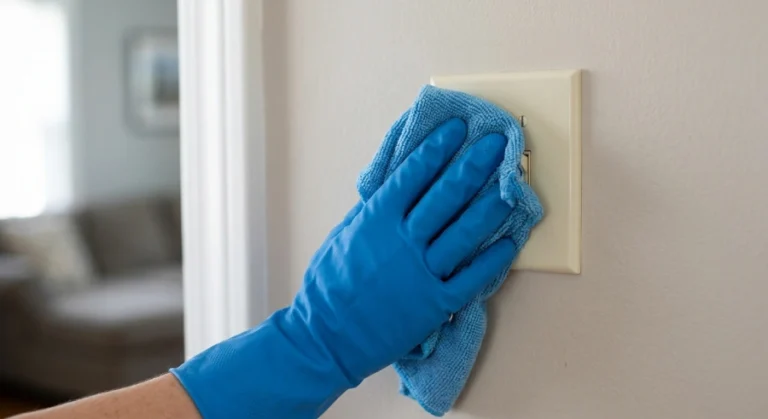
- High-touch surfaces: Wipe light switches, door handles, bannisters and plug sockets
Know Your Rights Under the Tenant Fees Act 2019
This is where a lot of tenants either get taken advantage of or miss their rights entirely. Landlords have been banned from contractually requiring tenants to hire professional cleaners at the end of a tenancy since the Tenant Fees Act 2019 came into force. Forcing a tenant to hire a professional cleaner can incur a fine for the landlord, starting at £5,000.
So no, your landlord cannot insist you book a specific cleaning company or make professional cleaning a condition of getting your deposit back. You are not legally required to pay for or perform a deep clean unless you agreed to it in your tenancy agreement, and you cannot be held to a higher standard than what existed when you moved in.
That said, this doesn’t give you a free pass to leave the place in a state. You still have a legal duty to return it in the same condition you found it, allowing for fair wear and tear. The law protects you from being exploited, not from your own cleaning responsibilities.
The Room-by-Room Cleaning Checklist That Actually Works
Using a checklist keeps you organised and gives you evidence that you cleaned to a proper standard. The inventory is your guide for the deep clean, so keep it with you as you go from room to room and check off every detail listed.
Here’s a room-by-room breakdown of what landlords and letting agents check most closely:
| Room | Priority Tasks |
|---|---|
| Kitchen | Oven deep clean, fridge defrost and wipe, descale sink, wipe inside cupboards, clean extractor fan |
| Bathroom | Remove limescale from taps and showerhead, disinfect toilet, scrub tiles, clean mirrors |
| Bedrooms | Dust all surfaces, wipe inside wardrobes, clean skirting boards, vacuum under bed |
| Living Room | Clean behind sofas, wipe shelves, vacuum upholstery, dust light fittings |
| Windows | Clean glass and frames inside, wipe sills throughout the whole property |
| Hallway/Stairs | Wipe banisters, clean door frames, vacuum or mop stairs thoroughly |
| Floors Throughout | Mop hard floors, deep vacuum carpets, treat stains before final inspection |
One thing most tenants forget: the oven. Oven cleaning is often neglected during DIY efforts, but landlords are likely to check this appliance closely. If the oven is left dirty, it could cost you a significant part of your deposit. Don’t skip it.
DIY Cleaning vs. Hiring a Professional: Which One Saves You More?
This is a question worth thinking through properly before you make a decision. Hiring a professional isn’t really an expense; it’s an investment in protecting your deposit. Spending a few hundred pounds on a guaranteed clean can easily save you from losing a much larger sum.
As the American business writer Harvey Mackay once put it: “A goal without a plan is just a wish.” The same applies here. Going in without a clear strategy, whether DIY or professional, is how tenants lose money.
Here’s how the two options compare:
| Factor | DIY Cleaning | Professional Service |
|---|---|---|
| Cost | Just supplies (£20-£50 avg.) | £230 to £415 depending on bedrooms |
| Time required | 1-2 full days minimum | 4-8 hours (done for you) |
| Standard achieved | Varies by effort | Consistent, documented |
| Risk of deduction | Higher if anything missed | Lower with guarantee in place |
| Oven and carpets | Often missed | Usually available as add-on |
| Best for | Smaller, well-maintained flats | Larger homes, busy move schedules |
On average in the UK, a two-bedroom flat will cost £260 for a professional move-out clean. Compare that to what a landlord might deduct, and often the professional route wins.
If you do go the DIY route, honestly, give yourself at least two full days. Most people underestimate how long it takes to clean an oven, descale a bathroom and dust every surface properly.
How to Protect Yourself With a Move-In Inventory
Here is something interesting: the best time to prepare for your move-out clean is actually your move-in day. Most tenants sign the inventory without reading it carefully, and that’s a costly habit.
Check-in inventories, mid-term inspection reports, and check-out reports will be the primary pieces of evidence for negotiating any deposit dispute. If the inventory shows the oven was already marked as having some grease build-up when you moved in, your landlord can’t charge you for bringing it to a higher standard.
The same applies to carpets, walls, and appliances. Take date-stamped photos on move-in day. Keep a copy of your inventory. These two things alone can save you hundreds of pounds if a dispute comes up at the end.
“The secret of getting ahead is getting started.” That advice from Mark Twain applies perfectly here. Don’t wait until moving week to think about this. Start your photo record from day one.
Fair Wear and Tear: What Your Landlord Can and Can’t Charge For
This is where a lot of confusion happens, and landlords sometimes take advantage of tenants who don’t know the difference. Fair wear and tear includes the general process of deterioration that furnishings and décor go through over time — these elements are not considered dirty, but rather “used”.
Your landlord cannot deduct for:
- Small scuffs on walls from furniture placement over years
- Slightly faded carpets after a long tenancy
- Minor scratches on wooden flooring from daily use
- Light marks on worktops from normal kitchen activity
Your landlord can deduct for:
- Stained carpets from spills that were never treated
- Greasy, unbaked oven left without any cleaning throughout the tenancy
- Mould in the bathroom caused by poor ventilation habits
- Burnt or scratched surfaces from clear misuse or negligence
Deposit deductions for cleaning must be reasonable and evidenced, and charges must reflect the actual condition of the property, not betterment. That means your landlord can’t use your deposit to upgrade the property beyond the standard it was in when you arrived.
The Biggest Cleaning Mistakes Tenants Make Before Moving Out
Most people get tripped up on the same things. Seriously though, these errors come up in dispute after dispute, and they’re all avoidable.
Mistake 1: Leaving the oven for last. It almost never gets done properly when it’s rushed. Clean the oven first, give it time to cool, then move on to the rest of the property.
Mistake 2: Forgetting skirting boards and door frames. Inventory agents specifically check these because they gather dust and grime that most people overlook. Skirting boards, wardrobes, coffee tables, and shelves gather dust, so make sure you clean every surface.
Mistake 3: Skipping the windows and frames. Windows, frames and doors can be easily missed while you’re dealing with other tasks on the list, but they’re things that will be checked carefully by your landlord or letting agent.
Mistake 4: Not booking carpet cleaning as a separate job. Standard vacuuming won’t satisfy a thorough checkout inspection if there are stains or odours. High-traffic areas, spills and lingering smells need a deep, professional clean to be properly sorted, and forgetting to book these is one of the easiest ways for tenants to lose part of their deposit.
Mistake 5: Trying to do it all in one day. A proper end of tenancy deep clean takes time. Rushing leads to corners being missed, and missed corners lead to deductions.
Final Words: Your Deposit Is Worth Fighting For
Moving is already stressful enough. Don’t let a preventable cleaning dispute be the thing that sours the whole experience. According to the Tenancy Deposit Scheme, 63% of renters have faced deductions, amounting to over £724 million annually. That’s a staggering amount of money lost every year to something entirely fixable.
You know your rights under the Tenant Fees Act. You know what landlords actually check. You’ve got the checklist and the cost breakdown to make a smart decision between DIY and professional cleaning. Now it’s about taking action early enough to do it properly. Start your clean at least a week before your checkout date, keep every receipt, and take photos when you’re done. Your deposit belongs to you. Go get it back.
Frequently Asked Questions
Do I have to pay for a professional cleaning company at the end of my tenancy?
No, not unless your agreement specifically states it and the property was professionally cleaned before you moved in. The Tenant Fees Act 2019 means UK landlords cannot require tenants to pay for professional cleaning services. You only need to match the cleanliness standard from your move-in.
What happens if I don’t clean at the end of my tenancy?
Your landlord can deduct cleaning costs from your deposit if the property is left dirtier than when you arrived. If you fail to leave the property tidy, your landlord may withhold some of your security deposit or send you a cleaning bill.
Can a landlord deduct cleaning costs from my deposit?
Yes, but only with proper evidence. Landlords must provide clear documentation, such as inventory reports and photos, to support any cleaning deductions, and adjudicators increasingly favour tenants where that documentation is incomplete.
How long does end of tenancy cleaning take?
It depends on the property size and condition. A one-bedroom flat typically takes 4-6 hours for a thorough DIY clean. Larger homes can take a full day or more, which is why professional services are often booked for bigger properties.
Is end of tenancy cleaning worth hiring a professional for?
In most cases, yes. Professional cleaning secures full deposit refunds and reduces stress for tenants, while also ensuring you meet the terms of your tenancy agreement. The cost of a professional service is almost always less than what a landlord might deduct.
Can my landlord charge me if the property was already dirty when I moved in?
No. You cannot be held to a higher standard than what existed when you moved in, so if the inventory shows the property wasn’t spotless at the start, you can’t be charged to bring it to a higher level.
What cleaning areas do letting agents check most carefully?
Agents focus heavily on the oven, bathroom limescale, skirting boards, windows, and carpets. These are the areas most commonly flagged in checkout reports and deposit disputes across the UK rental market.