Most people spend a significant chunk of their lives cleaning — Americans average over 23 hours per month on household cleaning alone. Yet despite all that effort, a surprising number of homes are less hygienic than their owners think. The culprit? Everyday cleaning mistakes that quietly undermine your results, spread germs instead of eliminating them, and even damage the surfaces you’re trying to protect.
The good news is that these mistakes are entirely fixable. Whether you’re a cleaning enthusiast or someone who dreads chore day, understanding where your routine goes wrong is the fastest path to a genuinely cleaner, healthier home. This guide covers the most common house cleaning mistakes — backed by hygiene research and expert insights — along with practical fixes you can start using today.
Why Cleaning Mistakes Matter More Than You Think
Poor cleaning habits aren’t just about aesthetics. According to a 2025 American Cleaning Institute survey, 81% of people forget at least one area when cleaning, with high-touch spots like light switches (45%), doorknobs (39%), and vents (39%) among the most commonly missed.
Meanwhile, the average kitchen dishcloth can harbor up to 4 billion living germs, and kitchen sinks contain 100,000 times more bacteria than bathroom sinks — yet most of us focus our scrubbing energy elsewhere.
Improper cleaning techniques don’t just leave dirt behind — they actively spread it. Using the wrong products can permanently damage surfaces. Dirty tools redistribute bacteria from room to room. And a chaotic cleaning order means you’re redoing work you’ve already done. Let’s break down each mistake and how to fix it.
Mistake #1: Using the Wrong Cleaning Products on Surfaces
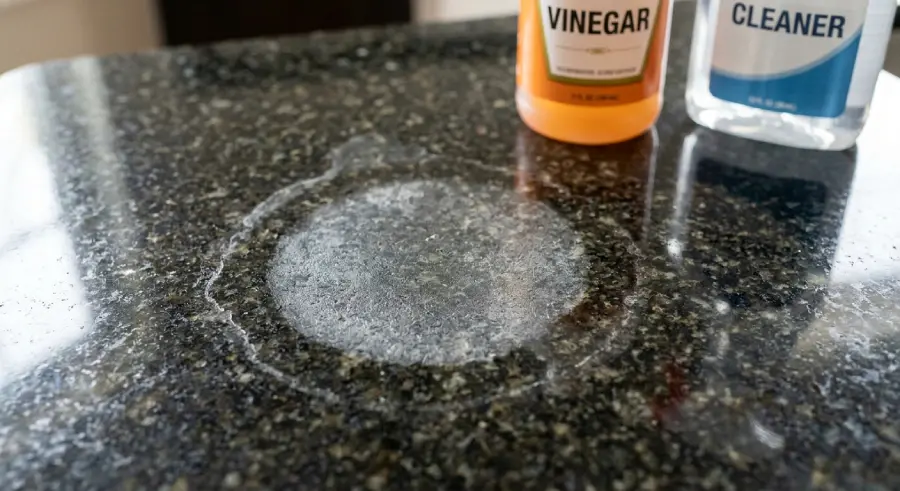
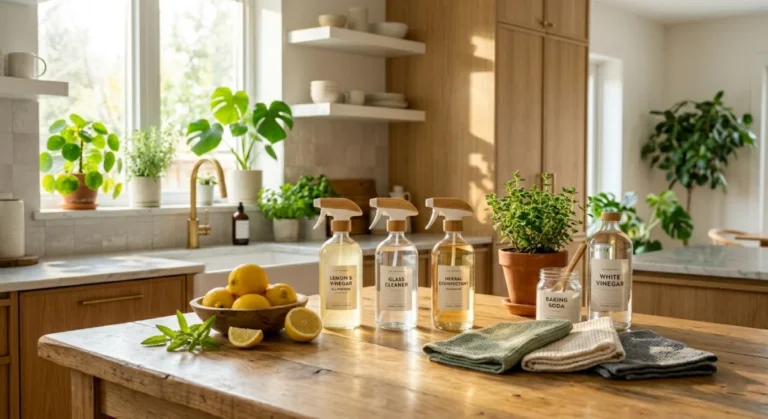
This is one of the most damaging cleaning errors you can make. Using a harsh chemical cleaner on wooden furniture or granite countertops can cause damage over time. Vinegar — often praised as a natural wonder cleaner — is a perfect example of a product misapplied. It’s great on glass but will etch marble and strip the finish off natural wood.
Spraying glass cleaner on a marble countertop or using bleach on delicate fabrics can cause irreversible damage. Many surfaces, especially natural materials like stone or wood, require pH-balanced or specially formulated products.
Quick Fix:
- Always read product labels before applying to a new surface
- Use pH-neutral cleaners on natural stone (granite, marble, slate)
- Reserve vinegar-based cleaners for glass, tile grout, and general surfaces only
- Test any new product in an inconspicuous spot first
- Keep separate, clearly labeled bottles for different rooms
Mistake #2: Reusing Dirty Cleaning Tools
Your cleaning tools are only as clean as the last time you washed them. People rely on the same dirty sponge, mop, or vacuum filter for weeks — or worse, months. Instead of cleaning, they’re just spreading grime and bacteria. Disinfect sponges daily, replace them often, wash mop heads in hot water after each use, and clean vacuum filters regularly.
Using a single rag could transfer germs from the bathroom to the kitchen or living areas. Cross-contamination is one of the most overlooked hygiene risks in the home.
Quick Fix:
- Use color-coded microfiber cloths for different zones (e.g., blue for bathrooms, green for kitchen)
- Launder cleaning cloths after every use in hot water
- Replace kitchen sponges every one to two weeks — or when they develop an odor
- Run mop heads through a hot wash cycle after each cleaning session
Mistake #3: Cleaning From the Bottom Up
This is a classic rookie error — but plenty of experienced cleaners still make it. If you sweep the floors or wipe down counters before dusting shelves and ceiling fans, all that debris cascades right back down onto surfaces you’ve already cleaned. You end up doing twice the work.
It’s natural to start cleaning from the bottom, but this can result in dirt from higher surfaces falling onto areas you’ve already cleaned. For example, if you clean a countertop and then dust a shelf above it, dust and dirt will likely fall onto the freshly cleaned countertop, forcing you to clean it again.
The correct order every time:
- Ceiling fans, light fixtures, and vents
- Shelves, cabinets, and wall surfaces
- Countertops and furniture
- Appliances
- Floors (vacuum, then mop)
Work left-to-right across each room for systematic, efficient coverage with no backtracking.
Mistake #4: Neglecting High-Touch Surfaces
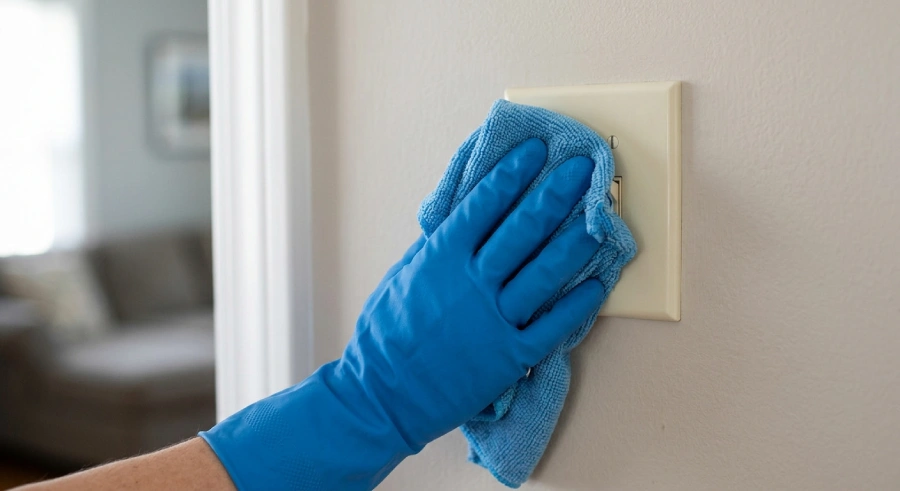
Your home’s most-touched spots are often its dirtiest — and most overlooked. Light switches, door handles, remote controls, cabinet knobs, and appliance handles are all high-touch areas that quietly collect germs and oils every single day. Because they’re small and easy to overlook, they often don’t get the attention they need during a routine clean.
The CDC recommends cleaning high-touch surfaces — like light switches, doorknobs, and countertops — regularly and after you have visitors in your home.
When you do disinfect, don’t rush it. Most disinfectants require a contact time of 4 to 10 minutes to effectively kill germs, and the surface should remain visibly wet during this period. Wiping off disinfectant immediately renders it ineffective.
High-Touch Surfaces You’re Probably Forgetting:
- TV remotes and game controllers
- Refrigerator and microwave handles
- Faucet handles (especially kitchen)
- Stair railings and cabinet pulls
- Phone screens and keyboards
- Car keys left on kitchen counters
Mistake #5: Using Too Much Cleaning Product
More product does not mean a cleaner result. Using too much product can oversaturate cleaning materials like microfiber cloths, which can leave streaks. You’ll spend more time cleaning overspray than you will windows, countertops, or baseboards.
According to Jennifer Rodriguez, chief hygiene officer at Pro Housekeepers, many people spray cleaners directly onto surfaces like glass, countertops, and furniture, which can lead to streaking, residue buildup, or even damage — especially on wood. Her advice: spray the cleaner onto a microfiber cloth first, then wipe. This gives better control and prevents oversaturation.
Excess product residue on floors also attracts more dirt over time — meaning your “clean” floors actually get dirtier faster.
Quick Fix:
- Spray onto the cloth, not the surface
- Use a lightly dampened mop rather than a soaking-wet one
- Remember: a little goes a long way — you can always add more
Mistake #6: Using Feather Dusters and Paper Towels
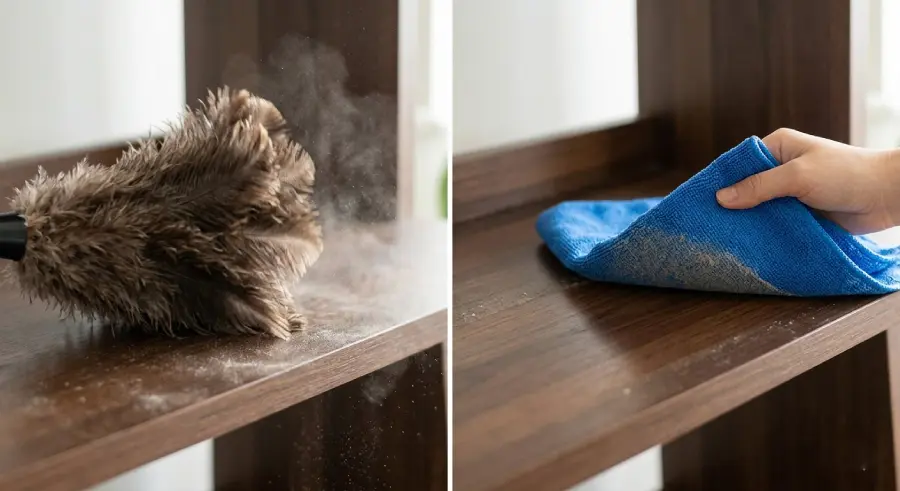
Not all cleaning tools are created equal, and some of the most popular ones are practically useless. Feather dusters aren’t as useful as they seem — they fail to trap and lock in dust, instead spreading it around. A better alternative is to use a microfiber cleaning cloth, ensuring that dust is removed rather than redistributed.
Paper towels leave behind lint on glass and shiny surfaces, and they’re wasteful. Microfiber cloths use static electricity to physically trap dust particles, making them vastly superior for most household surfaces.
Best Tool Choices by Surface:
| Surface | Wrong Tool | Right Tool |
|---|---|---|
| Glass & mirrors | Paper towels, feather duster | Dry microfiber cloth |
| Wood floors | Steam mop | Barely damp microfiber mop |
| Stainless steel | Abrasive scrubbers | Soft microfiber with grain |
| Electronics/screens | Chemical wipes | Dry lint-free cloth |
| Countertops | Feather duster | Damp microfiber cloth |
| Grout lines | Flat mop | Stiff-bristle brush |
Mistake #7: Ignoring Proper Cleaning Order (Room vs. Home)
Beyond just top-to-bottom, there’s a smart order for tackling your entire home — not just individual rooms. Most people clean randomly, which leads to cross-contamination and wasted effort.
Storing cleaning products in a humid bathroom or hot cupboard near a radiator can cause the chemicals to break down, making the products less effective. Improper storage is an overlooked mistake that affects cleaning performance before you even start.
Additionally, some chemical combinations are genuinely dangerous: bleach and ammonia should never be stored or mixed together, as they can produce toxic fumes.
Smart Room-by-Room Order:
- Start with the least dirty rooms (bedrooms, living areas)
- Move to kitchens
- Finish with bathrooms (most germs, most products needed)
- Empty and clean your tools last
Mistake #8: No Cleaning Schedule or Routine
One of the biggest cleaning mistakes many people make is failing to keep a set cleaning schedule. Without structure, tasks pile up until they become overwhelming deep cleans that take hours. Worse, you end up focusing on what’s visibly dirty and ignoring what’s invisibly contaminated.
Seasonal habits remain unbalanced: 58% of people deep clean in spring, but only 27% do so in winter — the season when colds and flu spread most easily.
Building a tiered cleaning schedule — where different tasks happen daily, weekly, and monthly — prevents buildup and keeps your home consistently hygienic without ever requiring a marathon cleaning session.
The Master Cleaning Schedule: What to Clean and When
| Frequency | Task | Why It Matters |
|---|---|---|
| Daily | Wipe kitchen counters & stovetop | Food residue attracts bacteria within hours |
| Daily | Disinfect high-touch surfaces | Doorknobs, switches spread illness fast |
| Daily | Rinse & air-dry cleaning sponges | Prevents bacterial breeding in damp tools |
| Weekly | Vacuum all floors & upholstery | Removes allergens, dust mites, pet dander |
| Weekly | Scrub bathroom sinks, tubs & toilets | Mold and mildew thrive in moisture |
| Weekly | Launder kitchen towels & cloths | Dish cloths harbor billions of bacteria |
| Bi-weekly | Replace kitchen sponges | Sponges become germ colonies quickly |
| Monthly | Clean appliances (oven, fridge, microwave) | Grease buildup becomes a fire and odor hazard |
| Monthly | Dust ceiling fans, vents & light fixtures | Reduces allergens and improves air quality |
| Seasonally | Deep clean windows, baseboards, mattresses | Long-term buildup requires targeted effort |
Mistake #9: Skipping Ventilation When Using Strong Cleaners
When cleaning with strong chemicals such as bleach, you must have ventilation, as harmful fumes can build up and pose a risk to your health. Opening windows or using fans to circulate air can help disperse these fumes and make your cleaning routine safer.
This is particularly important in small bathrooms and closets where products like bleach-based toilet cleaners, mold sprays, and oven degreasers are commonly used.
Ventilation Checklist:
- Open at least one window in the room you’re cleaning
- Run the bathroom exhaust fan during and 10 minutes after cleaning
- Never mix bleach with ammonia, hydrogen peroxide, or vinegar
- Wear gloves when using strong chemical cleaners
- Read safety labels before using any new product
House Cleaning Mistakes: At-a-Glance Summary
Here’s a quick-reference breakdown of every mistake covered — and its fix:
- Wrong products → Match cleaner to surface type; use pH-neutral on stone
- Dirty tools → Wash after every use; color-code cloths by zone
- Bottom-up cleaning → Always start at the ceiling, finish at the floor
- Skipping high-touch surfaces → Add doorknobs, switches, remotes to every cleaning session
- Too much product → Spray on cloth, not surface; less is more
- Feather dusters & paper towels → Switch to microfiber for trapping, not spreading
- No cleaning schedule → Use a tiered daily/weekly/monthly system
- No ventilation → Open windows whenever using chemical cleaners
Final Thoughts
A cleaner home isn’t about working harder — it’s about working smarter. Most of the mistakes covered here don’t require expensive products or professional help to fix. They require awareness: knowing which product goes where, which tool actually traps dust versus relocates it, and building a routine that keeps hygiene consistent rather than reactive.
Start with the changes that feel most manageable — swapping your feather duster for microfiber, or adding doorknobs to your weekly wipe-down — and build from there. Small, consistent improvements in your cleaning habits will make a bigger difference to your home’s hygiene than any single deep-clean session ever could.