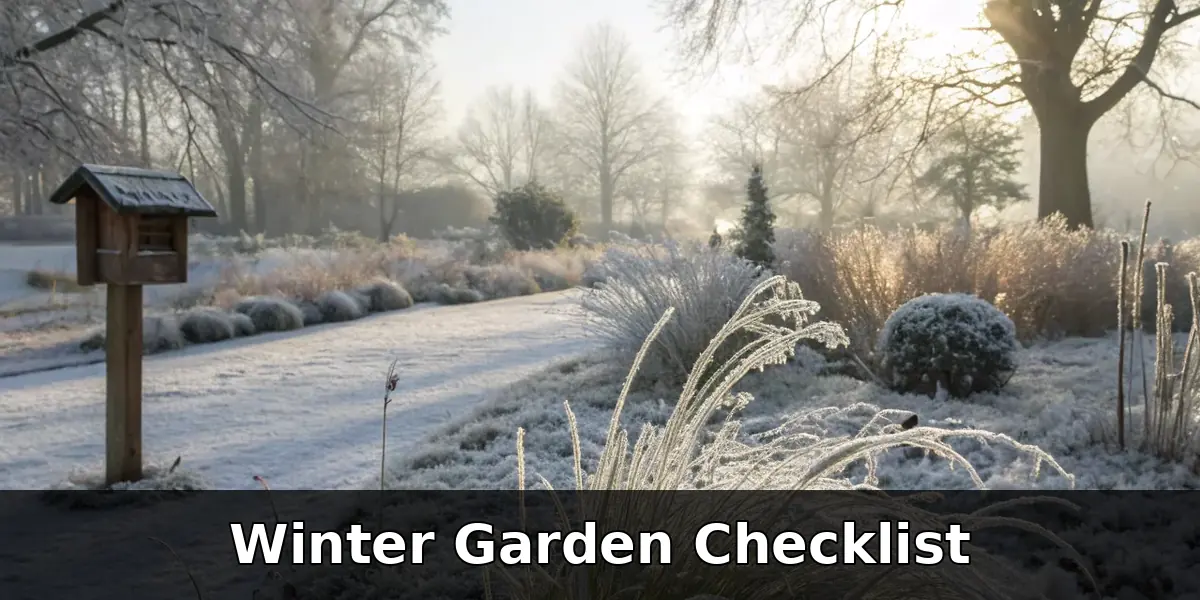
Why October Is When the Real Work Starts
This winter garden checklist exists because of one brutal truth I learned the hard way. A single hard frost can undo a whole season of work in one night. Dahlias turn to black mush. Terracotta pots crack like eggs. The hose you forgot outside becomes a solid, useless snake. And every one of those disasters is avoidable.
The first frost usually lands when night temperatures drop below zero, sometime between late October and late November in most of the US and UK. You do not need to do everything in a day. Two weekends, a few evenings, and a thermos of something warm. That is the whole job.
All 12 Jobs on One List, Then We Dig In
Here is the full winter garden checklist before we dig into each job. Work top to bottom and nothing gets missed.
| Job | When | Gear you need |
|---|---|---|
| 1. Clear fallen leaves and debris | October | Rake, compost bin |
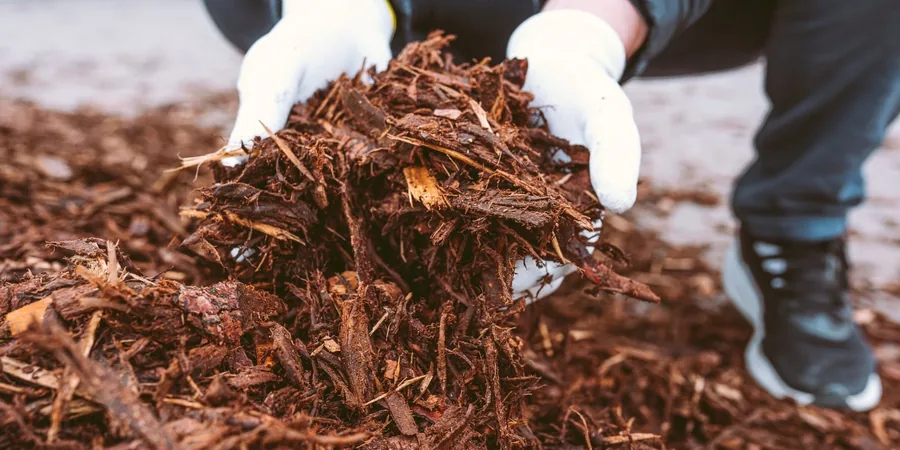
| 2. Mulch every bare bed | October to November | Bark, compost or leaf mould |
| 3. Lift tender tubers like dahlias | After the first frost blackens them | Fork, wooden trays |
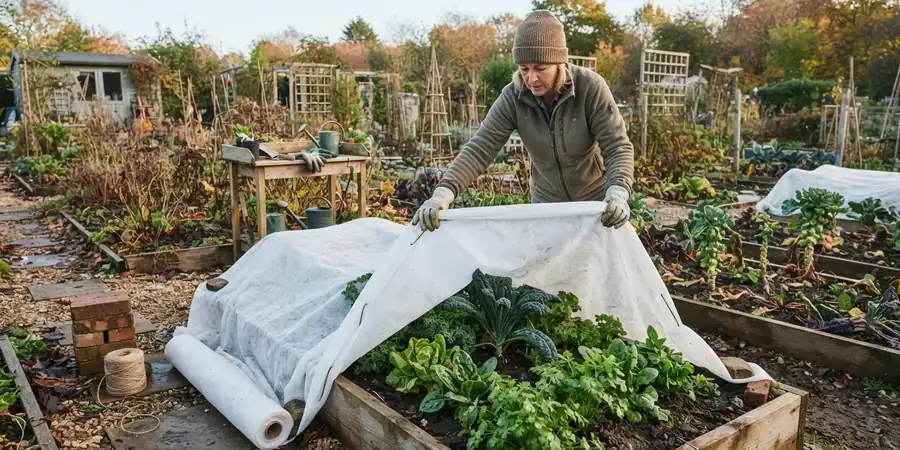
| 4. Wrap pots and raise them up | Before the first hard frost | Horticultural fleece, pot feet or bricks |
| 5. Prune roses and autumn raspberries | Late autumn | Sharp secateurs |
| 6. Plant spring bulbs | October to early December | Tulip, daffodil and allium bulbs |
| 7. Drain hoses and lag outdoor taps | Before freezing nights | Foam tap cover, duct tape |
| 8. Clean, sharpen and oil your tools | November | Wire brush, oil, sharpening stone |
| 9. Net the pond and stop it freezing solid | October | Pond net, floating de-icer or a ball |
| 10. Plant garlic and autumn onion sets | October to November | Garlic bulbs, onion sets |
| 11. Feed the birds and clean the feeders | From October onward | Seed, fat balls, brush |
| 12. Wash the greenhouse glass and insulate | November | Sponge, bubble wrap, clips |
Tidy Up Before You Tuck In
Every winter garden checklist starts with a clear-out. Not because the garden cares how it looks. Because wet, rotting debris is where every slug, fungus and disease spends the winter.
Job 1: clear the fallen leaves
Rake them off the lawn. A thick mat of wet leaves smothers grass and breeds moss. But do not bin them. Leaves are free gold. Pile them into a bin bag with a few air holes and in a year you have leaf mould, the best soil conditioner going. Yours is free.
Job 2: mulch every bare bed
Mulch 5 to 7 cm deep. Two to three inches of bark, compost or leaf mould over bare soil insulates roots, stops winter rain compacting the soil, and feeds the earthworms. Keep it off plant stems. Mulch piled against a stem rots it. Ask me how I know. Actually, do not.
Save the Plants That Cannot Take Frost
Some plants are drama queens about cold. Dahlias, cannas, gladioli, tree ferns. They either come inside or they die. Your call.
Job 3: lift the tender tubers
Wait for the first frost, then lift. It feels backwards, but it works. Let the frost blacken the dahlia foliage, then cut stems to about 15 cm, fork the tubers up gently, and dry them in wooden trays somewhere frost-free. Store them in dry peat-free compost. One year I left mine in the ground “just to see.” I saw. They turned to soup.
Job 4: wrap the pots
Fleece them and lift them. Terracotta absorbs water, freezes, expands, cracks. That is physics, not bad luck. Wrap vulnerable pots in horticultural fleece or bubble wrap, and raise them on pot feet or bricks so water drains instead of pooling. Group the wrapped pots against a sheltered house wall. They keep each other warm.
Prune Now, Thank Yourself in March
Job 5: roses and autumn raspberries
Roses get a light trim now, a hard prune in late winter. Cut long whippy stems back by a third so winter winds do not rock the roots loose. Save serious shaping for February or March. Autumn-fruiting raspberries are the easy win: cut every cane right to the ground. It feels violent. They love it. That is job five of this winter garden checklist done.
rock garden ideas pairs well here if you are rethinking a bed while you prune. A rock garden is one of the few features that looks better in winter than summer.
Plant Now for the Spring Payoff
Job 6: get the spring bulbs in
Tulips, daffodils and alliums go in before the ground freezes. Plant each bulb three times as deep as it is tall. A 5 cm tulip bulb sits 15 cm down, pointy end up. Late October through November is prime time for tulips; daffodils can go in from September. If the soil is waterlogged, add grit under each bulb. Wet kills more bulbs than cold.
Protect the Plumbing and the Shed
Job 7: drain hoses, lag the taps
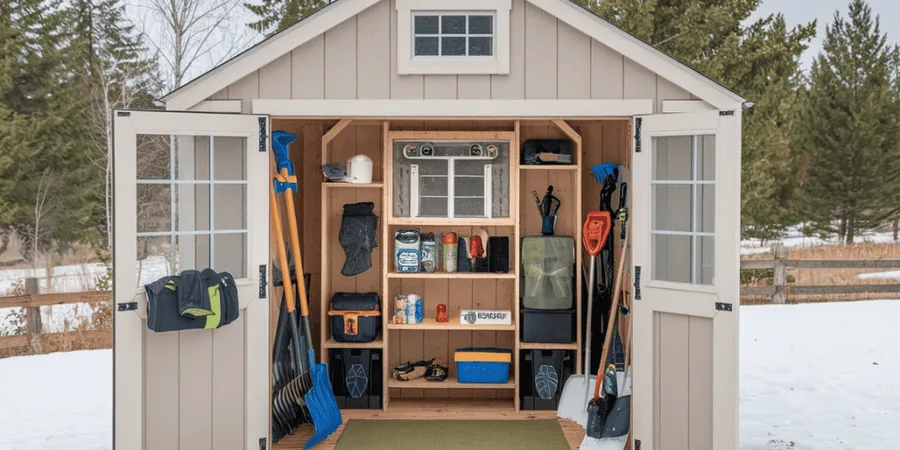
Do this before the first freezing night. Disconnect every hose, drain it, coil it in the shed. A frozen hose can split, and worse, it can back pressure into the tap. Wrap outdoor taps in foam insulation or a proper tap cover with duct tape. Ten minutes now beats a plumber’s bill later.
Job 8: clean and sharpen your tools
Your future self says thanks. Scrub mud off spades and forks, sharpen edges with a file, wipe wooden handles with linseed oil, oil the moving parts on secateurs. Blunt tools tear stems and spread disease. Sharp tools make winter pruning a different hobby. I put on a podcast and do the lot in an hour.
The Pond, the Veg Patch and the Birds
Job 9: net the pond
Net it before the leaves fall in. Rotting leaves eat pond oxygen and poison fish. Stretch a fine net over in October and lift the leaf load off every few days. When hard frosts arrive, keep a hole in the ice with a floating ball or a small de-icer. Never smash ice with a hammer. The shockwave can kill fish.
Job 10: plant garlic and onion sets
October and November are garlic months. Push cloves 5 cm deep, pointy end up, 15 cm apart, in the sunniest spot. Autumn onion sets go in the same way. They sit through winter doing nothing visible, then explode in spring. The lowest-effort crop in gardening. Two more jobs off your winter garden checklist, and it feels like cheating.
small garden design ideas has layouts that fit a winter veg corner into the tiniest plot if space is tight.
Look After the Wildlife
Job 11: feed the birds, clean the feeders
Start feeding from October and do not stop mid-winter. Birds build routines around your feeder. Scrub feeders with hot soapy water first; dirty feeders spread disease. Mix it up: seeds for finches, fat balls for tits, fruit for robins and blackbirds. Leave seedheads standing on perennials. Bird food and winter sculpture in one.
The Greenhouse Gets a Wash Day
Job 12: clean the glass and insulate
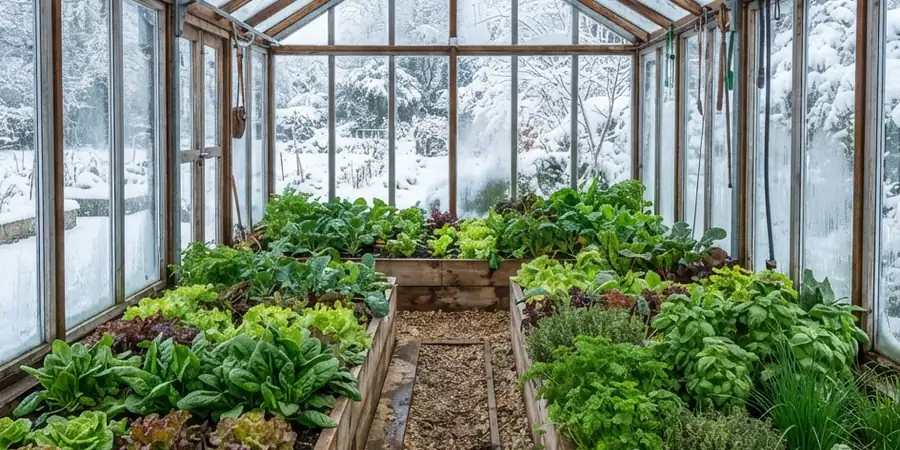
Wash it now, while you can feel your fingers. Grime on greenhouse glass cuts light right when winter plants need every photon. Sponge it down inside and out, then line the inside with bubble wrap, leaving door and vents clear. It adds a couple of degrees of frost protection. Check the heater works before you need it at midnight.
balcony garden ideas works for small-space growers who overwinter their pots on a balcony instead of a greenhouse.
Questions Worth Asking Before You Start
When should I start this checklist?
Start in October. Most jobs need doing before the first hard frost, which lands anywhere from late October to late November depending on where you live. Mulching and bulb planting can stretch into early December if the ground is not frozen.
Should I cut everything back in autumn?
No. Leave perennials with seedheads standing. They feed birds, shelter insects, and look beautiful in frost. Only clear diseased material and anything that has turned to mush.
Can I leave dahlias in the ground over winter?
In mild areas with sharp drainage and a thick mulch, some gardeners get away with it. Everywhere else, lift them after the first frost and store the tubers frost-free. It is the safe bet, and tubers are too expensive to gamble with.
How deep should winter mulch be?
Five to seven centimeters, about two to three inches. Less than that and frost walks straight through. More than that and you risk rotting crowns. Keep it off the plant stems.
Do I need to water the garden in winter?
Barely. Most plants are dormant. But pots and anything under cover still dry out, so check them every couple of weeks. Water on mild days, never onto frozen soil.
The Quiet Payoff of Doing It Right
Here is the thing nobody tells you. This checklist is not really about winter. It is about March. The gardener who mulched, lifted, wrapped and planted in autumn walks into spring with living plants and a head start. The gardener who did not walks into spring with a shopping list.
So pick a dry October weekend, work through this winter garden checklist, and then put the kettle on. Winter is coming either way. Your garden just does not have to suffer through it.