
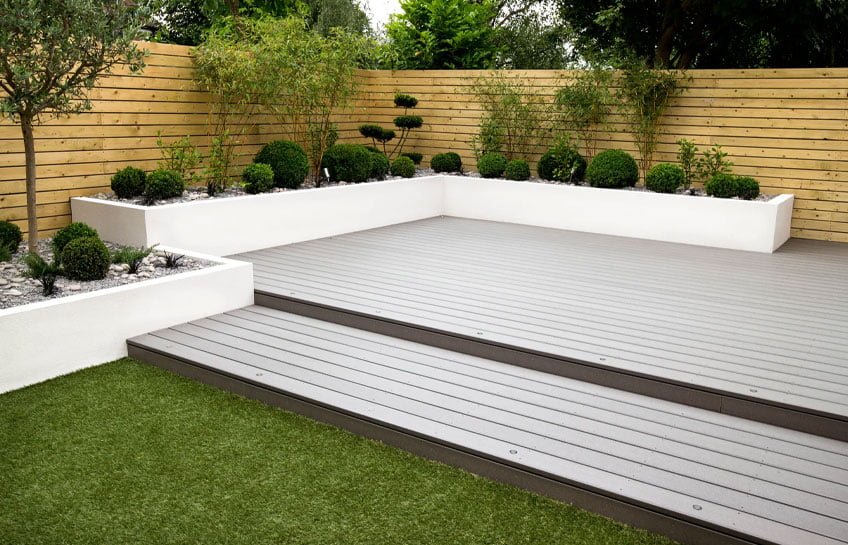
Small garden design ideas help you make the most of limited outdoor space without giving up style or function. Whether you have a tiny backyard, a narrow patio, or just a balcony, the right design choices can turn even the smallest patch of land into a lush and inviting retreat. The key is to plan wisely, use vertical space, and choose plants that suit your conditions.
A well-planned small garden can feel just as rich and rewarding as a large one. Research shows that a professionally designed and maintained garden can boost your home’s value by 10 to 20 percent. With smart choices in layout, plants, and features, your compact garden becomes both a personal sanctuary and a smart investment for your property.
Key Features of a Great Small Garden
Before diving into specific ideas, here are the core elements every successful small garden design should include:
- Vertical structures like trellises, wall planters, or climbing frames to maximize height
- Multi-functional furniture that doubles as storage or planting space
- Light-colored surfaces to make the area look larger and brighter
- Layered planting using tall, medium, and low-growing plants together
- Focal points such as a small water feature, a statement pot, or a garden arch
- Mirrors and reflective surfaces to create an illusion of more space
- Defined zones for sitting, planting, and walking even in tight spaces
- Compact or dwarf plant varieties suited for smaller root zones
1. Go Vertical With Walls and Fences
One of the smartest small garden design ideas is to stop thinking horizontally and start thinking vertically. Every wall, fence, or panel in your garden is potential growing space waiting to be used. Wall-mounted planters, pocket pouches, and modular systems let you grow herbs, flowers, and even strawberries at eye level or higher.
Trellises are another great solution for small spaces. You can train climbing plants like jasmine, clematis, or beans up a trellis without using much ground space at all. A vertical garden wall not only saves floor space but also adds a dramatic living backdrop to your outdoor area.
“Even apartment-dwelling gardeners can maximize their growing space with vertical gardens, standing planters, microgreens kits, and hydroponic gardens.” — Nicole Burke, founder of Gardenary
Wooden pallets are a budget-friendly way to build a DIY vertical garden. Sand them smooth, line the back with landscape fabric, fill with soil, and plant herbs or trailing flowers in the slats. The entire structure leans against a wall or fence and takes up almost no footprint at ground level.
2. Use Raised Beds and Containers Creatively
Raised garden beds are one of the most popular small garden design ideas because they give you full control over your soil, drainage, and layout. You can place them on patios, balconies, or even concrete surfaces. Raised beds warm up faster in spring, drain well, and make planting and harvesting much easier on your back.
Container gardening takes flexibility even further. Containers are affordable, movable, and endlessly adaptable. You can rearrange them with the seasons, swap out plants, or bring them indoors during cold weather. Use pots of different heights and sizes to create visual interest and a layered look.
Stacking containers is another clever trick for tiny gardens. Place your largest pots on the ground, then stack progressively smaller ones on top using shelving or raised platforms. This creates a tiered display that looks intentional and uses every inch of vertical space you have.
3. Add a Focal Point to Draw the Eye
Every great small garden design idea includes at least one strong focal point that catches the eye and gives the space a sense of purpose. A focal point makes a small garden feel designed rather than cluttered. It gives visitors something to look at and creates a natural center point around which the rest of the garden flows.
Good focal point options for compact gardens include:
- A small bubbling fountain or birdbath water feature
- A bold statement pot planted with a striking specimen plant
- A simple garden arch draped with a climbing rose or wisteria
- A colorful painted wall or fence panel as a backdrop
- A sculptural piece like a sundial or large decorative stone
Water features are especially effective in small gardens. The sound of moving water adds a sense of calm and draws wildlife like birds and butterflies into your outdoor space. Even a small tabletop fountain on a patio creates a relaxing atmosphere without taking up much room at all.
4. Choose the Right Plants for Small Spaces
Plant selection is critical when working with limited space, and it is one of the most important small garden design ideas you will apply. Tall, spreading plants can quickly overwhelm a small garden, so you need compact, well-behaved varieties that earn their spot.
Here are the best plant types for small gardens:
- Dwarf or compact shrubs like box balls, dwarf lavender, or compact roses
- Climbing plants such as clematis, honeysuckle, or sweet peas on vertical supports
- Herbs including thyme, basil, rosemary, and mint for edible and sensory appeal
- Ornamental grasses in small varieties for texture and movement
- Seasonal bulbs like tulips, alliums, and narcissus for bursts of color
- Trailing plants such as lobelia, petunias, or nasturtiums for hanging baskets
“Replacing lawn with low-water plants is not a new idea. What is new is that designers and gardeners are moving beyond succulents and recognizing that any garden style can be reinterpreted with a lower-water palette.” — Susan Morrison, Creative Exteriors Landscape Design
Choosing plants based on their ecological role, not just their appearance, is a growing approach in modern small garden design. Native plants support local wildlife, require less maintenance, and thrive in local conditions without much extra care.
5. Create Zones to Make Small Spaces Feel Bigger
Creating clearly defined zones is one of the most effective small garden design ideas for making a tight space feel organized and purposeful. Even a garden the size of a large rug can have a seating zone, a planting zone, and a path connecting the two.
Use low edging, gravel changes, or different paving materials to define zones without putting up barriers. A simple circle of paving stones surrounded by planting beds creates a cozy outdoor room. A narrow path winding through planting gives the impression of depth even in a very short garden.
| Zone Type | Best Use | Recommended Feature |
|---|---|---|
| Seating Zone | Relaxing and dining | Bistro table, bench, or low chairs |
| Planting Zone | Growing flowers, herbs, or vegetables | Raised beds or border planting |
| Pathway Zone | Movement and flow | Stepping stones or gravel path |
| Vertical Zone | Maximizing height | Trellis, wall planters, or climbers |
| Feature Zone | Visual interest and focal point | Water feature, sculpture, or specimen plant |
Mirrors placed on walls or fences work surprisingly well in small gardens. A well-placed garden mirror reflects light and greenery, giving the impression that the space continues beyond the boundary. Many garden designers use this trick to double the apparent size of a compact area.
6. Go for Low-Maintenance Sustainable Choices
Sustainability is at the heart of modern small garden design ideas, and it makes practical sense for small spaces too. Using drought-tolerant plants, organic mulch, and compost reduces the time and money you spend on upkeep. Rainwater harvesting systems, even small ones, help you water your garden without running up a large water bill.
Permeable paving with gravel or stepping stones allows rainwater to soak into the ground naturally. This prevents waterlogging in small paved gardens and supports healthy soil beneath the surface. Plants like yarrow, catmint, and kangaroo paw look beautiful, thrive without heavy watering, and attract pollinators all season long.
Mulching your planting areas with bark, wood chip, or straw is one of the easiest small garden maintenance tips you can follow. A thick layer of mulch holds moisture in the soil, suppresses weeds, and feeds the soil as it breaks down over time. You will spend far less time weeding and watering if you mulch properly each season.
7. Light Up Your Small Garden for Evening Enjoyment
Good lighting transforms a small garden from a daytime-only space into a place you can enjoy any time of day or night. Solar-powered string lights are easy to install, cost nothing to run, and add a magical glow to patios and seating areas. They work especially well draped over a pergola frame or woven through a trellis.
Path lighting serves both a practical and decorative purpose in a small garden. Low-voltage LED stake lights along a pathway look elegant and help you navigate the space safely after dark. Uplighting planted in the ground beneath a statement tree or large shrub creates drama and adds real atmosphere to evening entertaining.
“The best garden is the one that invites you to spend time in it, and light is what keeps you there after the sun goes down.” — Garden design principle widely shared by landscape professionals
Candles and lanterns grouped on an outdoor table or along the top of a low wall give your small garden a warm and intimate feel. Battery-powered lanterns are a great option if you do not want to run cables through your garden. They are easy to move around and create a cozy gathering space for evenings with friends and family.
8. Make the Most of a Balcony or Patio Garden
Balcony and patio gardens are some of the most exciting small garden design ideas to explore because every decision counts in a tiny footprint. The right combination of containers, furniture, and vertical planting can make a balcony feel like a fully realized outdoor room with plenty of personality.
Choose furniture that is proportionate to the size of your balcony. Bulky outdoor sofas will crowd a small space, while slim bistro chairs and a round table leave room for plants and movement. Folding or stackable furniture is ideal because you can store it away when you need the space for entertaining or plant care.
Railing planters are a brilliant solution for balconies with nowhere to put pots on the ground. They hook over the railing rail and fill with herbs, trailing flowers, or compact vegetables. They are lightweight, affordable, and add a huge amount of color and greenery without using any floor space at all.
Conclusion: Small Space, Big Possibilities
A small garden is not a limitation. It is an invitation to be creative, intentional, and bold with your design choices. Every square foot of outdoor space has the potential to become something truly beautiful, productive, and deeply personal. The small garden design ideas in this article give you a clear and practical path forward, whether you are starting from scratch or reimagining an existing space.
Start with one idea that excites you, whether that is a vertical herb wall, a collection of bold containers, or a simple focal point with a water feature. Build from there at your own pace. The most important thing is to start, because even the smallest act of gardening connects you to something larger than yourself. Your small garden is waiting to become a space you love, a place that reflects who you are, and a green corner of the world that is entirely your own.
Frequently Asked Questions
What is the best layout for a small garden?
The best layout for a small garden uses clearly defined zones for sitting, planting, and pathways. Keeping paths curved or diagonal and using layered planting adds depth and makes the space feel larger than it actually is.
How do I make my small garden look bigger?
Light-colored paving, mirrors on walls or fences, diagonal pathways, and tall vertical planting all create an illusion of more space. Keeping clutter to a minimum and choosing a simple, cohesive color palette also help a small garden feel open and airy.
What plants are best for a very small garden?
Dwarf shrubs, climbing plants trained on trellises, compact ornamental grasses, and seasonal bulbs work best in small gardens. Herbs like rosemary, thyme, and lavender are excellent choices because they are fragrant, compact, and useful in the kitchen.
Can I have a vegetable garden in a small space?
Yes, absolutely. Raised beds, container growing, and vertical trellises make it possible to grow a wide range of vegetables in a very small area. Crops like tomatoes, cucumbers, salad leaves, beans, and herbs all grow well in containers or vertical systems.
How do I design a small garden on a budget?
Upcycling materials like wooden pallets, old gutters, and repurposed containers keeps costs low. Propagating plants from cuttings or seeds, buying smaller starter plants, and focusing on a few key features rather than many small ones all help you create a great garden without spending a lot.
What is vertical gardening and is it good for small gardens?
Vertical gardening means growing plants upward on walls, fences, trellises, or vertical structures instead of spreading across the ground. It is ideal for small gardens because it multiplies your growing space without using any additional floor area, and it also adds height and drama to compact spaces.
How do I add privacy to a small garden?
Tall planters with bamboo, ornamental grasses, or trained climbing plants on a trellis panel all provide natural privacy without the permanence of a fence. Lattice screens with climbing plants growing through them are a particularly elegant solution for patios and urban gardens.


[…] right tools can turn gardening from a chore into a joy.” – Monty Don, Gardener and TV […]