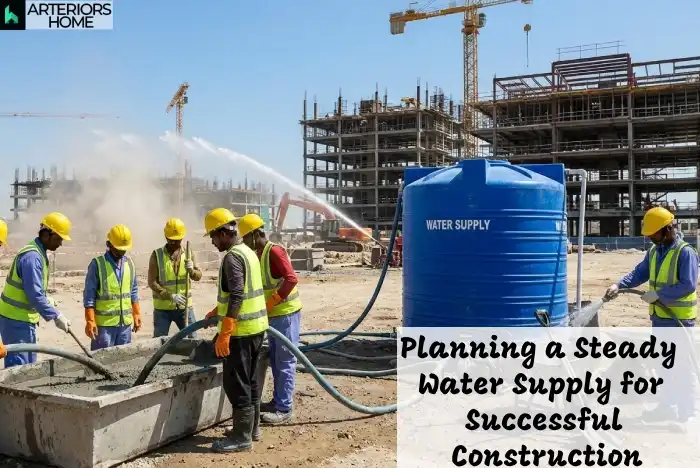
Every construction project relies on careful planning, but have you thought about how important water is for daily operations on a job site? Water is needed for tasks like mixing concrete, cleaning tools, and controlling dust that could affect workers and nearby areas. Without a steady supply, work can slow down, costs can rise, and safety risks may increase.
Planning water needs early helps teams stay on schedule, reduce stress, and ensure every part of the project runs smoothly from start to finish. By thinking about water needs before work begins, you can avoid unexpected problems that could delay the entire project.
Read on to learn more about how to plan a steady water supply.
Why Water Is Essential for Construction Success
Water is one of the most important resources on a construction site because it is used in nearly every task. It is needed for concrete mixing, curing surfaces, cleaning equipment, and keeping dust levels under control. Without enough water, work may stop unexpectedly, deadlines can be affected, and materials may not perform as expected.
Water is also vital for worker health and comfort. Crews need clean drinking water, washing facilities, and ways to cool down during hot days. When water is limited, workers may tire faster, focus less, and risk accidents.
Proper water planning ensures that both people and projects stay safe and productive. Having water on site also makes it easier to maintain cleanliness and order, which helps prevent mistakes and improves overall work quality.
Estimating Water Needs Before Construction Begins
Estimating water requirements is an important first step for smooth project progress. Different tasks use water in different amounts, and needs often change as work moves forward. Concrete mixing, soil preparation, dust control, and cleaning all require different levels of water. Knowing this in advance helps prevent shortages.
The size and location of the project also affect water demand. Larger sites require more water daily, while smaller or remote sites may need alternative delivery methods. Weather conditions, such as heat or dry air, can increase water use.
Accurate estimates allow teams to plan the right supply and avoid interruptions. Additionally, factoring in unexpected needs, like extra water for hot days or additional cleaning, ensures the project stays on schedule even when conditions change.
Selecting Reliable Water Sources
Choosing a reliable water source keeps construction moving without delays. Some sites have access to city water lines, while others must rely on wells or delivered water. Each option has benefits and limits depending on location and regulations.
Choosing the right source avoids sudden shortages and helps control costs. For sites without direct access, delivered water can be a practical solution.
Many contractors use water truck rental to maintain a steady supply that can be adjusted as project needs change. This method keeps work progressing and reduces downtime, ensuring crews can complete tasks on schedule. It is also helpful to have more than one water source when possible, because backup options provide safety in case one source fails or becomes limited.
Planning Water Storage and Site Distribution
Water is only useful if it is stored and distributed efficiently across the site. Storage tanks hold enough water for daily use and unexpected spikes in demand. They should be placed where crews can easily access them without blocking movement or equipment.
Good placement saves time and effort. Distribution systems, such as hoses, pumps, and pipes, must deliver water to where it is needed without leaks or pressure problems. A clear layout ensures water reaches every work area reliably.
Planning also includes keeping backup hoses or portable pumps in case the main system fails. When storage and distribution are organized, crews spend less time searching for water and more time completing tasks effectively.
Managing Water Use in an Efficient Way
Using water efficiently reduces waste and controls costs over time. Fixing leaks promptly, using water-saving tools, and training workers to handle water responsibly make a big difference. When everyone knows how to manage water properly, the site operates more smoothly.
Scheduling water-heavy tasks at the right times also improves efficiency. Pouring concrete or curing surfaces during cooler hours reduces evaporation. Reusing water for cleaning or dust control saves resources.
Simple habits, such as turning off taps when not in use and monitoring water levels daily, help maintain a steady supply. Efficient water use also reduces the risk of running out unexpectedly, keeping the project on track.
Preparing for Weather Changes and Unexpected Issues
The weather can quickly affect water needs on a construction site. Hot, dry conditions increase the need for water for dust control, hydration, and curing. Rainy weather can affect storage, flow, or water quality.
Planning for these variations helps teams avoid delays and maintain steady work. Unexpected issues can also disrupt the water supply. Equipment failures or delivery delays may occur without warning.
Having backup storage or secondary supply options ensures work continues. Teams should also monitor weather forecasts and adjust water plans accordingly. Preparing for weather and unforeseen problems protects timelines, reduces stress, and helps the project stay on track even when challenges arise.
Meeting Safety and Legal Requirements
Water planning is linked closely to safety and regulations. Clean water is necessary for drinking, sanitation, hygiene, and sometimes fire safety. Poor water management can harm worker health, slow progress, or even stop work completely.
Proper planning prevents these risks. Projects must also follow local rules for water use and disposal. Planning ahead ensures teams meet these requirements without last-minute problems.
Compliance reduces the risk of fines, delays, or inspections causing interruptions. Keeping water safe and accessible also builds trust with workers and inspectors, showing that the team values both safety and project quality.
Ensure Successful Construction with Smart Planning for a Steady Water Supply
Planning a steady water supply is a crucial part of construction success that should never be overlooked. Water supports daily tasks, protects worker health, and ensures materials perform correctly. Teams that estimate needs carefully, choose reliable sources, manage water efficiently, and plan for weather changes and unexpected events reduce delays and control costs.
Having backup plans and efficient distribution ensures that water is always available when needed. With a clear water plan, construction teams stay organized, productive, and confident, completing projects safely and on time while achieving the highest quality results.
If you found this article helpful, explore other posts on our blog for more tips and insights.